How Long Do Pixie-Bob Cats Live?
Pixie-bob cats typically live about 12 to 16 years, though individual cats may live shorter or longer depending on their health, genetics, and care. Their substantial, muscular build and bobbed tail give them a distinctive look, but neither feature determines how long a cat will live.
Pixie-bobs are a U.S.-developed breed created for a bobcat-like appearance; they are domestic cats, not proven bobcat hybrids. As with any breed, a healthy start, routine veterinary care, a suitable diet, and a safe home can make a meaningful difference. If you’re considering one, CatHatch can help you browse Pixie-bob kittens and breeders.
Pixie-Bob Health: What Owners Should Know
There is limited research on health conditions unique to Pixie-bobs, and no single inherited disease is established as a defining problem for the breed. They can still develop common feline conditions, including dental disease, obesity, kidney disease, arthritis, and heart disease. Some breeders monitor for heart concerns in their lines, so ask about the parents’ health history and any screening they have had.
Pixie-bobs can have short or long coats, varied tail lengths, and sometimes extra toes. These traits are not, by themselves, a reason to expect a shorter life. Cats with extra toes may need more frequent nail checks because claws can grow or become caught between toes. Ask your veterinarian to check the paws and nails during regular exams.
Choosing a Healthy Pixie-Bob Kitten
A responsible breeder should welcome questions about the kitten’s parents, health history, veterinary care, and living conditions. Ask whether the parents have been evaluated for heart problems, what health issues have appeared in the family, and whether the kitten has received age-appropriate exams and vaccinations. Good records and candid answers are more useful than a general promise that a kitten is “healthy.”
Look for a kitten with clear eyes, clean ears, a healthy coat, and alert, comfortable behavior. A reputable breeder allows kittens to stay with their mother and littermates long enough to develop appropriately and provides a written contract and health records. CatHatch offers a place to compare available Pixie-bob kittens from breeders, but take time to review each breeder’s practices and documentation.
Everyday Care That Supports a Longer Life
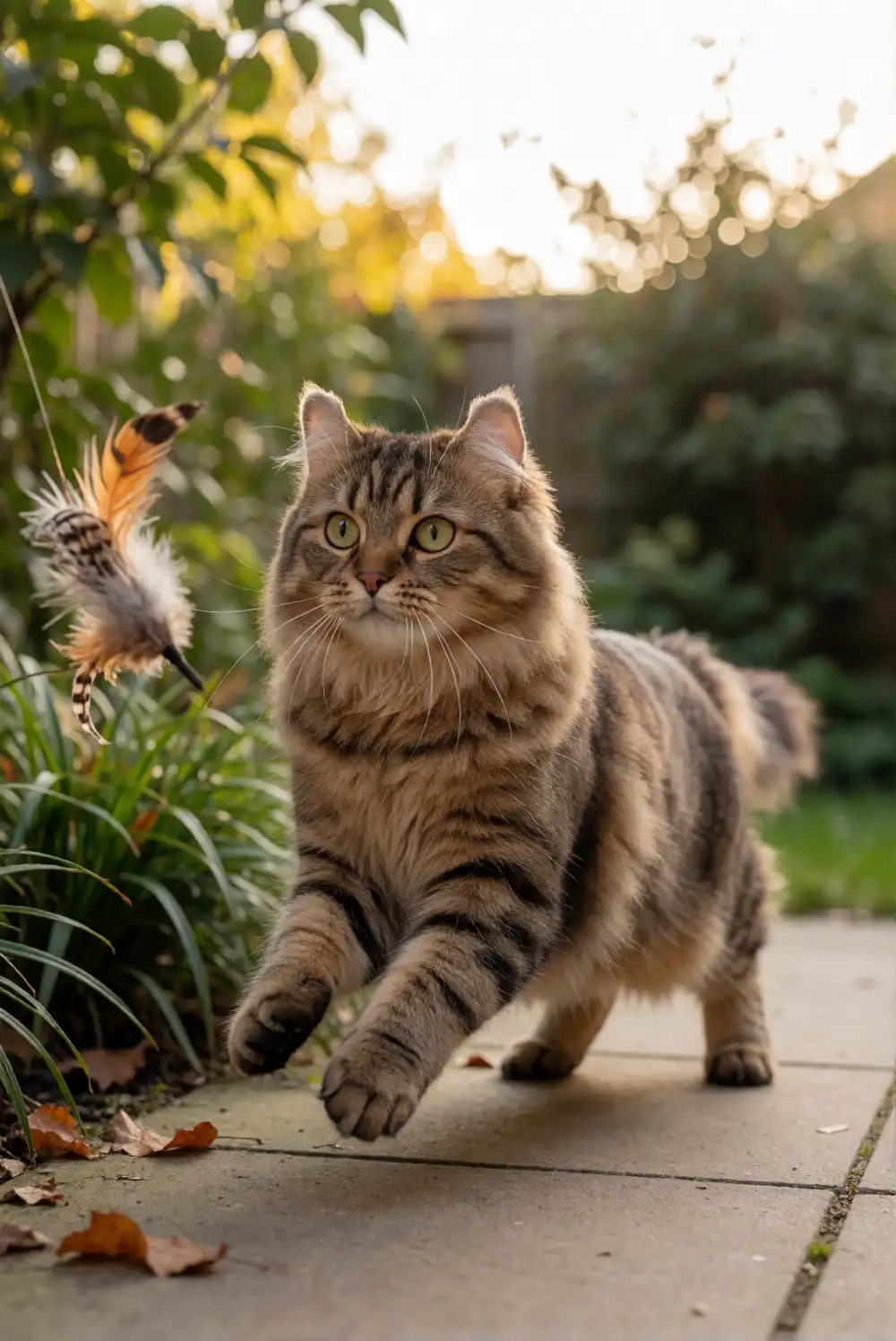
Keep your Pixie-bob at a healthy weight with measured meals and regular play. The breed is known for being active and people-oriented, so offer daily interactive games, climbing opportunities, and puzzle feeders. Adjust food portions to your cat’s body condition and activity level rather than relying only on the serving suggestion on a package. Your veterinarian can help you choose an appropriate diet and set a healthy weight goal.
Indoor living or safe outdoor access—such as a secure enclosure or supervised time in a harness—reduces risks from traffic, fights, parasites, and infectious disease. Brush a shorthaired Pixie-bob weekly and a longhaired one more often, especially during shedding seasons. Keep fresh water available, maintain a clean litter box, trim nails as needed, and brush teeth with cat-safe toothpaste when your cat will tolerate it.
Veterinary Care and Changes to Watch For
Schedule regular veterinary checkups, typically at least once a year for healthy adults; senior cats or cats with ongoing conditions may need visits more often. Your veterinarian can recommend vaccines, parasite prevention, dental care, and screening based on age, lifestyle, and medical history. Routine blood and urine testing can also help identify some age-related problems before obvious signs appear.
Contact a veterinarian if your Pixie-bob has a lasting change in appetite, thirst, urination, weight, grooming, or activity. Difficulty breathing, repeated vomiting, straining to urinate, collapse, or sudden weakness warrants prompt veterinary attention. Cats often conceal discomfort, so changes from your individual cat’s normal habits deserve attention even if they seem subtle.
Helping a Senior Pixie-Bob Stay Comfortable
Aging is individual: some Pixie-bobs remain playful well into their teens, while others develop health needs earlier. Slowing down, jumping less, hiding, or becoming irritable can signal pain or illness rather than simply “getting old.” Ask your veterinarian about new behavior changes, mobility, dental health, and a checkup schedule suited to your cat.
Small home adjustments can help older cats stay active and comfortable. Add low steps or ramps to favorite resting places, use a litter box with an easy-to-enter side, and keep food, water, and bedding accessible. Continue gentle play and monitor weight; preserving muscle and mobility matters at every age.
Frequently Asked Questions
What is the average lifespan of a Pixie-bob cat?
Many Pixie-bobs live around 12 to 16 years. Individual lifespan varies with inherited health, preventive care, weight, and lifestyle.
Are Pixie-bob cats generally healthy?
There is no well-established disease that affects all Pixie-bobs as a defining breed problem. Like other cats, they can develop common conditions, so regular checkups and attention to changes in health are important.
Does a Pixie-bob’s short tail affect its health or lifespan?
A short tail is a characteristic feature of the breed and does not automatically mean a cat will have health problems or a shorter life. Ask a veterinarian to assess any individual concerns about movement, comfort, or development.
Do Pixie-bob cats need special veterinary screening?
They need routine feline preventive care, with additional screening based on their age, symptoms, and family history. Ask the breeder and your veterinarian whether heart evaluations or other checks are appropriate for your cat.
How can I help my Pixie-bob live longer?
Maintain a healthy weight, provide daily activity, keep up with dental and veterinary care, and reduce outdoor hazards. Promptly discuss persistent changes in eating, drinking, urination, or behavior with your veterinarian.