How Long Do Japanese Bobtail Cats Live?
The typical Japanese Bobtail lifespan is about 9 to 15 years, although some cats live beyond that range with good care and a bit of luck. Individual lifespan depends on genetics, lifestyle, preventive veterinary care, and the health challenges a cat encounters over time.
Japanese Bobtails are generally considered a healthy, active breed, but no breed has a guaranteed lifespan. If you are comparing kittens, ask breeders about the parents’ health and longevity, and whether kittens receive veterinary examinations and age-appropriate care. CatHatch can help you browse available Japanese Bobtail kittens and breeders as you research your options.
Japanese Bobtail Health and the Signature Short Tail
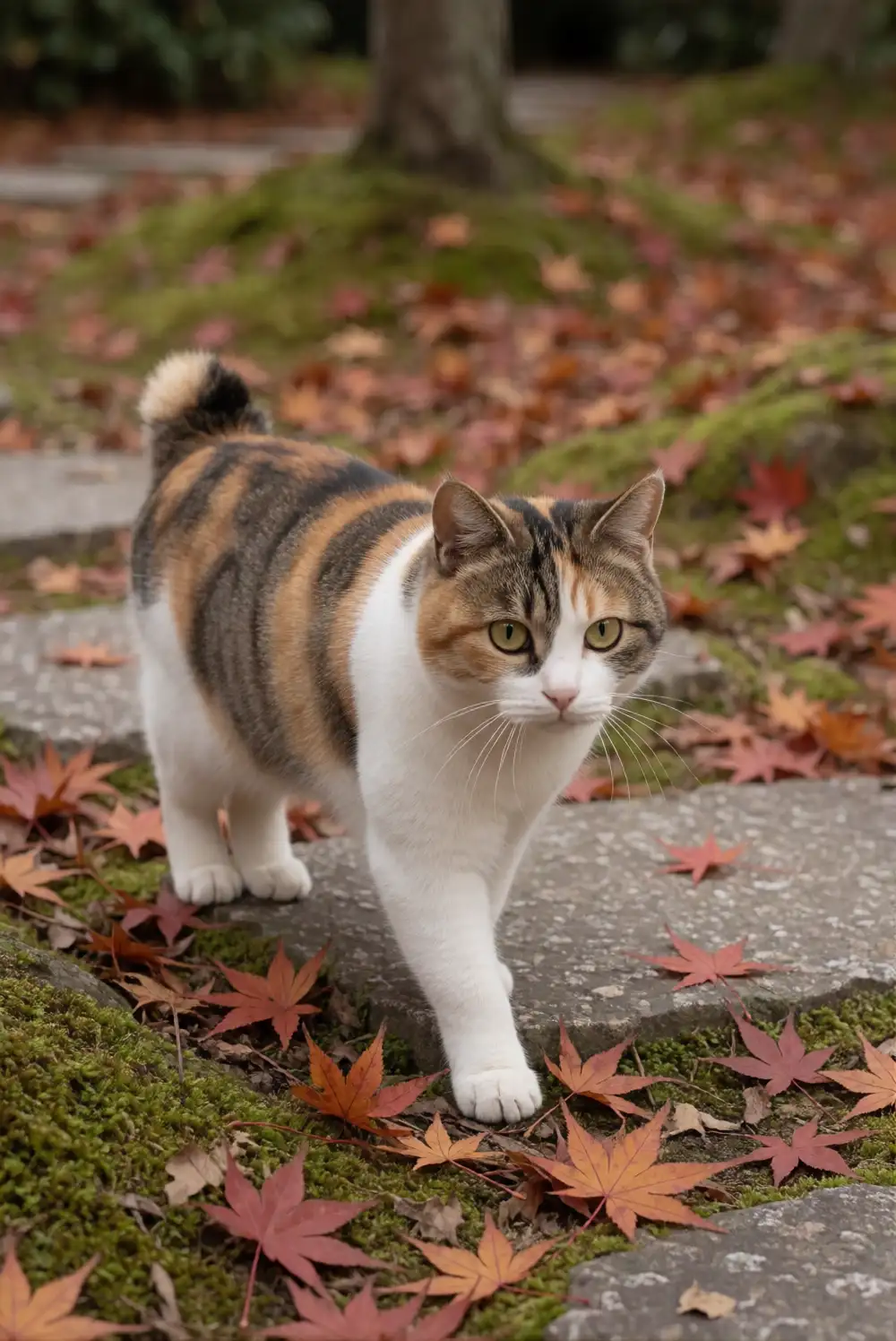
The Japanese Bobtail’s short, kinked tail is a naturally occurring feature, not a docked tail. Each tail is distinctive, often described as a pom-pom, and its appearance can vary from cat to cat. Unlike the tail mutation associated with Manx cats, the Japanese Bobtail’s bobtail is not generally known to cause spinal or mobility problems.
No major breed-specific illness is firmly established as a routine concern for Japanese Bobtails. Like other cats, they can develop dental disease, obesity, kidney disease, and other conditions, particularly as they age. A veterinarian who knows your cat’s history can recommend examinations and screening based on age, symptoms, and individual risk rather than breed assumptions.
What Can Affect a Japanese Bobtail’s Lifespan?
Genetics matter, so a kitten’s background is worth discussing with the breeder. Ask about the health and ages of close relatives, available veterinary records, and any screening the breeder performs. An ethical breeder should welcome questions and be clear about what is known; a claim that a kitten is guaranteed to live a certain number of years is not realistic.
Daily life also makes a difference. Japanese Bobtails are intelligent, sociable, and athletic, so regular play and opportunities to climb help support fitness and mental engagement. Keeping a cat indoors or providing a secure outdoor enclosure can reduce risks from traffic, predators, fights, and infectious disease. A balanced complete diet, fresh water, and a healthy body condition support long-term wellbeing.
Care That Supports a Longer, Healthier Life
Schedule routine veterinary visits even when your Japanese Bobtail seems well. Cats often hide discomfort, and regular exams help establish a baseline and catch changes early. Keep vaccinations, parasite prevention, and dental care up to date according to your veterinarian’s advice. At home, introduce tooth brushing gradually if your cat will tolerate it, and ask your vet about alternatives if brushing is difficult.
Measure meals rather than relying on an always-full bowl, and adjust portions if your cat’s weight changes. Japanese Bobtails are playful, so use short interactive sessions with toys and rotate activities to keep them interested. Their short or long coat usually needs regular brushing to remove loose hair and check the skin; longhaired cats may need more frequent grooming to prevent tangles. CatHatch offers a place to compare breeders, but plan for lifelong veterinary and daily care whichever kitten you choose.
Life Stages and Signs to Watch For
As a Japanese Bobtail moves into middle age and later life, ask your veterinarian when to increase checkup frequency and whether blood or urine testing is appropriate. Changes in thirst, appetite, weight, litter-box habits, grooming, mobility, or sociability deserve attention. They can have many causes, and a timely examination is more useful than assuming a change is simply old age.
There is no single age at which every Japanese Bobtail becomes a senior. Watch your individual cat’s behavior and body condition, and make adjustments such as easier access to favorite resting spots if mobility changes. Prompt care for new symptoms, together with consistent preventive care, gives your cat the best chance of staying comfortable throughout its life.
Frequently Asked Questions
What is the average lifespan of a Japanese Bobtail cat?
Japanese Bobtails commonly live around 9 to 15 years, with some living longer. Genetics, preventive care, diet, and lifestyle all influence an individual cat’s lifespan.
Are Japanese Bobtail cats generally healthy?
They are generally regarded as a healthy breed, and no major breed-specific disease is firmly established as a common concern. They can still develop health problems seen in other cats, so routine veterinary care matters.
Does a Japanese Bobtail’s short tail cause health problems?
The breed’s naturally short, kinked tail is not generally associated with the spinal problems linked to the Manx tail mutation. A veterinarian can assess any unusual movement, discomfort, or changes in your individual cat.
How can I help my Japanese Bobtail live longer?
Provide routine veterinary care, a complete balanced diet, healthy weight management, dental care, and daily play. A safe living environment also reduces preventable risks such as traffic injuries and fights.
Do Japanese Bobtail cats need special grooming?
Shorthaired Japanese Bobtails usually benefit from regular brushing, while longhaired cats may need more frequent grooming to prevent tangles. Check the coat and skin as you groom, and contact your veterinarian about persistent irritation or hair loss.