Breed Guide
The Ragdoll
Everything you need to know about the Ragdoll — personality, care, health, and what to expect as an owner.
About the Ragdoll
Origin and History
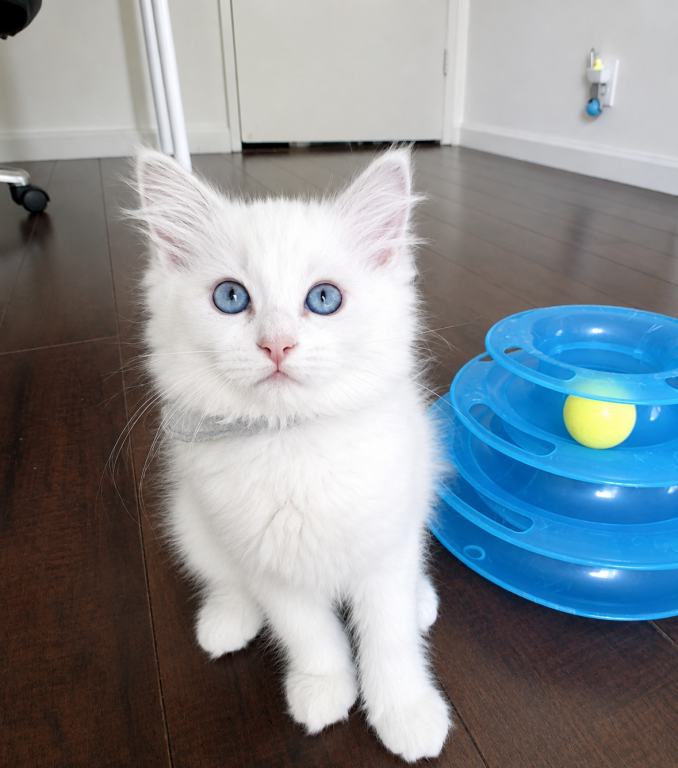
The Ragdoll is a relatively modern cat breed developed in California during the 1960s by breeder Ann Baker. The breed was created from several cats, with the original foundation cats contributing the Ragdoll's distinctive color patterns, blue eyes, large size, and relaxed personality. The name "Ragdoll" comes from the breed's tendency to become exceptionally relaxed when picked up. Ragdolls quickly gained popularity in the United States and later became recognized by major cat associations around the world.
Personality and Temperament
Ragdolls are known for their calm, affectionate, and people-oriented personalities. They often enjoy following their owners around the home and prefer being close to their family without typically demanding constant attention. Most are gentle and easygoing, making them well suited to households with children and other pets when introductions are handled properly. Ragdolls are moderately playful and intelligent, and many enjoy interactive toys, puzzle feeders, and games. Their soft voices and generally quiet nature make them pleasant companions for people who prefer a less vocal cat.
Physical Characteristics
Ragdolls are large, sturdy cats with semi-long, silky coats, striking blue eyes, and a broad chest. They have a slow rate of maturation and may take several years to reach their full adult size. The breed is best known for pointed coloration, with darker coloring on the ears, face, legs, and tail, although several recognized patterns and colors exist. Their coat tends to have less dense undercoat than some other long-haired breeds, which can make it somewhat easier to maintain, although regular grooming is still important.
Care Requirements
Ragdolls generally require brushing several times a week to reduce loose hair and prevent tangles, particularly around areas where the coat can become knotted. Regular nail trimming, dental care, and ear checks should also be part of their routine. Because they are large cats, provide sturdy scratching posts, appropriately sized litter boxes, climbing areas, and comfortable sleeping spaces. Daily play helps keep them mentally stimulated and physically active. A balanced diet with appropriate portions is important because their relaxed nature can make weight management a concern.
Health Considerations
Ragdolls are generally healthy cats, but prospective owners should be aware of certain inherited health concerns. Hypertrophic cardiomyopathy, or HCM, is one of the most important conditions associated with the breed, and responsible breeders can use genetic testing and veterinary screening to reduce the risk. Ragdolls may also be susceptible to obesity and dental problems. When purchasing a kitten, ask the breeder for health records and information about genetic testing and the health history of the parents. Routine veterinary examinations, proper nutrition, exercise, and preventive care can support a long and healthy life.
Who This Breed Suits Best
Ragdolls are an excellent choice for families, couples, singles, and first-time cat owners looking for a gentle and affectionate companion. Their adaptable temperament can work well in apartments or houses as long as they receive regular interaction and enrichment. They are particularly suited to people who want a cat that enjoys human companionship and generally has a calm demeanor. Because Ragdolls are trusting and sometimes less cautious than other cats, indoor living or secure outdoor access is strongly recommended. Buyers should choose a reputable breeder or adoption organization and be prepared for the ongoing grooming, nutrition, and veterinary costs of a large long-haired cat.
Breed Traits
General guidelines — individual cats vary. Compare breeds →
Find Ragdoll Kittens Near You
Available Ragdoll Kittens
View all 486 →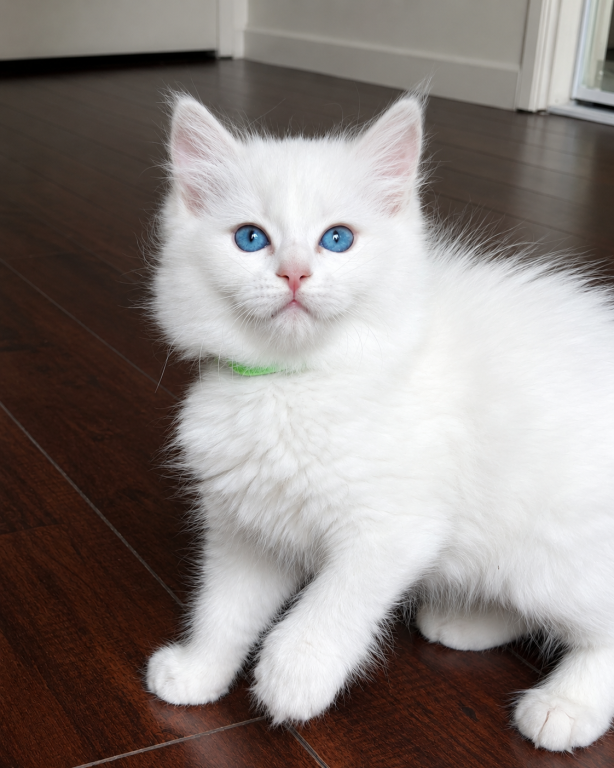
Ragdoll Kitten Green
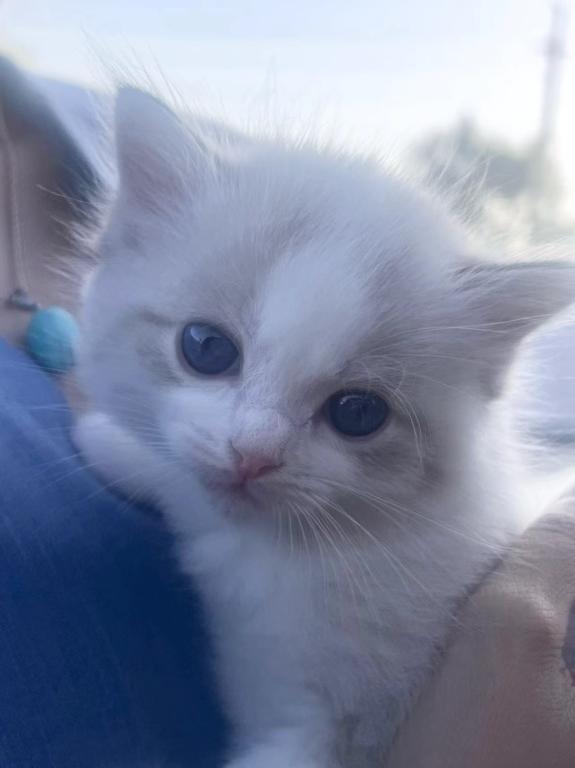
Kiwi
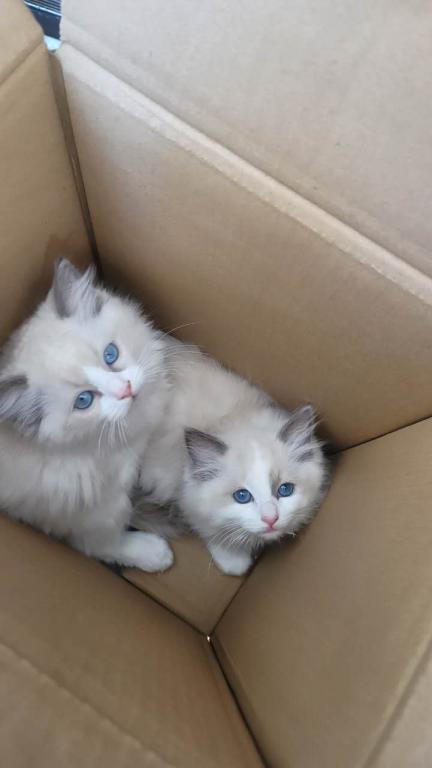
Luna