Breed Guide
The Bengal
Everything you need to know about the Bengal — personality, care, health, and what to expect as an owner.
About the Bengal
Origin and History
The Bengal is a distinctive domestic cat breed developed in the United States from crosses between domestic cats and the Asian leopard cat, a small wild feline native to parts of Asia. Modern Bengal breeding began in the 1960s and 1970s, with Jean Mill playing a major role in developing the breed. Breeders sought to preserve the leopard-like spotted or marbled appearance while producing a friendly, fully domestic temperament. Later generations were bred primarily from Bengals, establishing the breed as a domestic companion. Today, Bengals are recognized by major cat associations and are especially known for their dramatic coat patterns and energetic personalities.
Personality and Temperament
Bengals are highly intelligent, energetic, curious, and interactive cats. They often form strong bonds with their families and enjoy participating in household activities rather than simply relaxing nearby. Their athletic nature gives them a strong desire to climb, jump, chase, and explore, while their intelligence means they can quickly learn how doors, cabinets, and other household features work. Many Bengals enjoy fetch, puzzle toys, leash training, and other forms of interactive play. They can do well with children and other pets when properly socialized, but their high activity level may be more demanding than that of a typical companion cat.
Physical Characteristics
The Bengal is a medium to large, muscular, athletic cat with a sleek body, relatively large hind legs, broad nose, and expressive almond-shaped eyes. Its most recognizable feature is its luxurious patterned coat, which can display rosettes, spots, or marbling in combinations of brown, silver, snow, and other recognized colors. Some Bengals have a glittering effect in their fur that can make the coat appear unusually luminous under light. The coat is short, dense, and generally easy to maintain. Bengals have a distinctly wild appearance despite being domestic cats.
Care Requirements
Bengals have relatively low grooming needs because their short coats rarely mat. Weekly brushing is usually sufficient to remove loose hair and maintain the coat's condition. Regular nail trimming, dental care, and ear checks should also be part of their routine. Their primary care requirement is enrichment: provide tall cat trees, climbing shelves, sturdy scratching posts, interactive toys, puzzle feeders, and daily play sessions. Bengals often benefit from training and activities that challenge them mentally as well as physically. A complete and balanced diet with appropriate portions supports their athletic build and helps prevent obesity.
Health Considerations
Bengals are generally active and robust cats, but certain inherited conditions can occur in the breed. Hypertrophic cardiomyopathy is an important concern, while progressive retinal atrophy and pyruvate kinase deficiency can also occur in some breeding lines. Responsible breeders should perform appropriate genetic testing and health screening before breeding cats. When purchasing a kitten, ask for veterinary records, vaccination information, genetic test results where applicable, and documentation of health screening for the parents. Routine veterinary examinations, dental care, parasite prevention, proper nutrition, and maintaining a healthy weight are important throughout the cat's life.
Who This Breed Suits Best
Bengals are best suited to owners who want an active, intelligent, and highly interactive cat and are willing to provide substantial daily enrichment. They can live in apartments if the home has plenty of vertical space, safe climbing opportunities, playtime, and mental stimulation, although a larger home can make meeting their activity needs easier. They may be especially rewarding for experienced cat owners, active families, and people interested in training their pets. Bengals can be less suitable for someone seeking a quiet, low-energy, or highly independent companion. US buyers should choose a reputable breeder who prioritizes health, temperament, responsible generations, and thorough kitten socialization.
Breed Traits
General guidelines — individual cats vary. Compare breeds →
Find Bengal Kittens Near You
Available Bengal Kittens
View all 263 →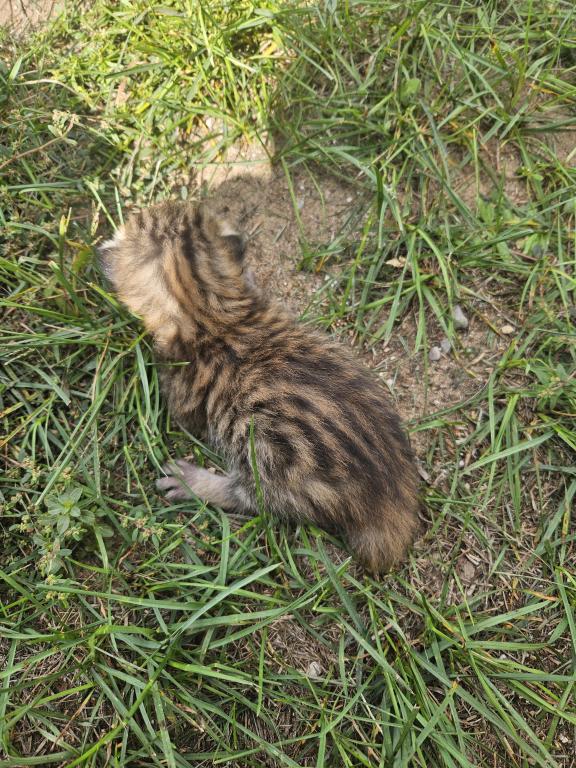
Bengal X Maine Coon Kittens Red Orange And More
Orange Bengal Male Kitten Rare

Snow Bengals
