Breed Guide
The British Shorthair
Everything you need to know about the British Shorthair — personality, care, health, and what to expect as an owner.
About the British Shorthair
Origin and History
The British Shorthair is one of the oldest established cat breeds in Britain, descended from domestic cats brought to the British Isles by Roman settlers. Over centuries, these cats developed as hardy working animals valued for controlling rodents. During the late 19th century, British breeders began selectively breeding them for a consistent appearance and temperament, and they became popular in early cat shows. The breed nearly declined in numbers after World War II, but dedicated breeders helped restore it through careful breeding programs. Today, the British Shorthair is one of the most recognizable and popular pedigree cats, especially known for its plush coat, rounded features, and calm personality.
Personality and Temperament
British Shorthairs are typically calm, affectionate, dignified, and easygoing. They enjoy spending time with their families but are generally less demanding than highly people-dependent breeds. Many prefer staying beside their owners rather than being carried or constantly held. They are usually patient with respectful children and can adapt well to other cats and cat-friendly dogs when introductions are handled properly. British Shorthairs are moderately playful, especially when young, but tend to become more relaxed as adults. Their quiet, steady temperament makes them appealing to people who want a companion that is affectionate without being overly clingy or vocal.
Physical Characteristics
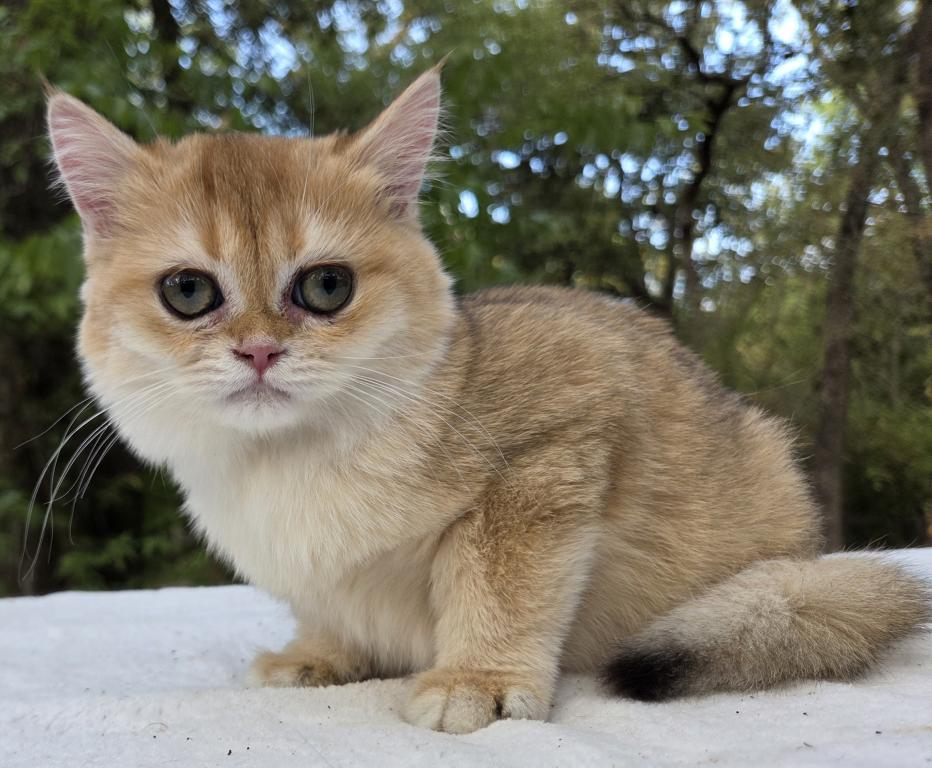
The British Shorthair is a medium-to-large cat with a broad chest, sturdy bone structure, muscular body, rounded head, full cheeks, and large round eyes. Its most famous coat is the solid blue-gray variety, but the breed comes in a wide range of colors and patterns, including black, white, cream, red, tabby, tortoiseshell, and colorpoint varieties. The coat is short, dense, and exceptionally plush, giving the cat a soft, velvety appearance. Males are generally larger than females, and British Shorthairs tend to mature slowly, often taking several years to reach their full size and body development.
Care Requirements
British Shorthairs are relatively easy to groom, although their dense coat can shed noticeably, particularly during seasonal changes. Brushing once or twice a week is usually sufficient to remove loose hair and maintain the coat, with more frequent grooming during heavier shedding periods. Regular nail trimming, dental care, and ear checks should also be part of their routine. They enjoy interactive play and should have scratching posts, toys, and opportunities to climb and explore. Because they can have a lower activity level as adults and are prone to enjoying their food, portion control and regular exercise are important for preventing obesity.
Health Considerations
British Shorthairs are generally robust cats, but responsible owners should be aware of potential breed-related health concerns. Hypertrophic cardiomyopathy can occur in the breed, and some lines may also carry a genetic risk for polycystic kidney disease, although responsible breeders can use appropriate screening and testing to reduce risk. Obesity can become a concern because of their solid build and relatively calm lifestyle. When purchasing a kitten, ask the breeder about genetic testing, veterinary examinations, vaccination records, and the health history of both parents. Regular veterinary care, dental hygiene, a balanced diet, and maintaining a healthy weight are important throughout the cat's life.
Who This Breed Suits Best
The British Shorthair can be an excellent choice for families, singles, couples, seniors, apartment dwellers, and first-time cat owners looking for a calm and dependable companion. Their independent nature allows them to handle some time alone better than highly social breeds, while their affectionate personality still makes them enjoyable household pets. They are particularly suited to owners who appreciate a quiet cat with a plush coat and substantial appearance. Their adaptable nature makes them comfortable in many living situations, provided they receive appropriate enrichment, veterinary care, and regular opportunities for play and exercise.
Breed Traits
General guidelines — individual cats vary. Compare breeds →
Find British Shorthair Kittens Near You
Available British Shorthair Kittens
View all 418 →
Stacy Litter

Loki
Tomas
