Sphynx Cat Breed: The Complete Guide for 2026
Introduction to the Sphynx Cat
The Sphynx cat is unlike any other breed, known for its hairless appearance and unique personality. Originating in Canada in the 1960s, this breed was developed through selective breeding of hairless cats. Despite their lack of fur, Sphynx cats are known for their affectionate nature and striking features.
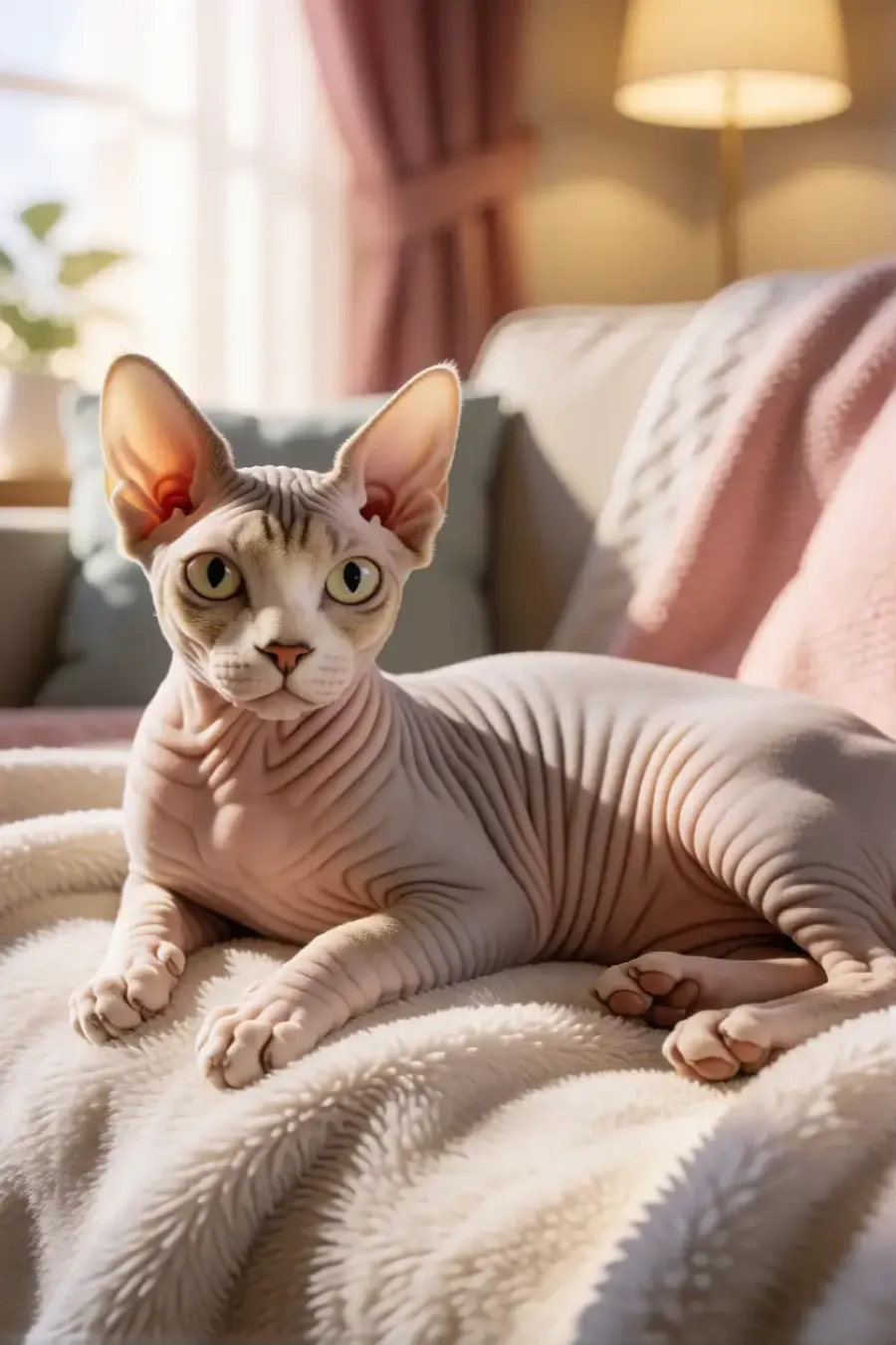
With their large ears and prominent cheekbones, Sphynx cats have an unmistakable look. Their skin feels warm to the touch, and they often enjoy cuddling to stay warm. If you’re searching for a loving companion, the Sphynx could be the perfect fit.
Physical Characteristics
Sphynx cats typically weigh between 6 to 12 pounds and have a medium-sized body with a muscular build. Their hairless coat reveals large, expressive eyes that can come in various colors, including blue, green, and copper. The lack of fur does not mean a lack of personality; they are often described as lively and curious.
Despite their hairlessness, Sphynx cats still possess a fine layer of down, which gives them a soft, warm feel. Their skin may vary in color, and some may even have faint stripes or spots that are more visible under certain lighting.
Temperament and Personality
The Sphynx is known for its playful and affectionate nature. They are highly social cats that thrive on interaction with humans and other pets. Their curiosity often leads them to explore every nook and cranny of your home, making them entertaining companions.
This breed is also known for being vocal, often communicating their needs through a range of sounds. If you’re looking for a companion who enjoys being the center of attention, the Sphynx cat will not disappoint.
Care Requirements
Despite their lack of fur, Sphynx cats require regular grooming to maintain skin health. Bathing them weekly helps remove excess oil build-up, as their skin can become greasy without fur. Additionally, it’s important to wipe their ears and face regularly to keep them clean.
Due to their hairlessness, Sphynx cats are sensitive to temperature changes. They may require a little extra help staying warm, such as cozy blankets or even cat sweaters during cold weather. Providing a safe, warm environment is essential for their well-being.
Health Considerations
Sphynx cats are generally healthy, but they can be prone to certain health issues. Hypertrophic cardiomyopathy (HCM), a heart condition, is more common in this breed. Regular veterinary check-ups are crucial for early detection and management of this condition.
Additionally, Sphynx cats may be prone to skin issues due to their lack of fur. Keeping their skin clean and moisturized can help prevent problems. It's also essential to provide them with a balanced diet to support their overall health.
Nourishing Your Sphynx
A high-quality diet is important for your Sphynx cat's health and energy levels. Look for cat food that is rich in protein and low in fillers. Since Sphynx cats have higher metabolism rates than other breeds, they may require more food than typical cats.
Always ensure your Sphynx has access to fresh water, as hydration is vital for their skin and overall health. Consult your veterinarian for specific dietary recommendations tailored to your cat's needs.
Training Your Sphynx Cat
Training a Sphynx cat can be an enjoyable experience due to their intelligent and social nature. They can learn tricks and commands, and positive reinforcement is key. Use treats and praise to encourage desired behaviors.
Start with basic commands such as “sit” and “come.” Spend short, consistent training sessions with your Sphynx to keep them engaged. Training not only stimulates their mind but can also strengthen the bond between you and your cat.
Finding a Sphynx Kitten
If you’re considering adding a Sphynx kitten to your family, it's crucial to find an ethical breeder who prioritizes the health and well-being of their cats. Look for breeders who provide health guarantees and are transparent about their breeding practices.
You can browse available Sphynx kittens on CatHatch, where ethical breeders list their kittens. Make sure to ask questions about the kitten's lineage and health history before making a decision.
Living with a Sphynx Cat
Having a Sphynx cat means welcoming a lively and affectionate member into your home. They fit well into various living situations, whether you live in an apartment or a house. Their playful nature makes them great companions for families and individuals alike.
Ensure your home is safe for your Sphynx by removing hazards and providing engaging toys. They thrive on stimulation, so interactive playtime is essential to keep them happy and healthy.
Traveling with Your Sphynx
Sphynx cats can be great travel companions due to their adaptability, but preparation is key. Make sure to have a secure carrier that is comfortable for your cat. Familiarize your Sphynx with the carrier well before your trip to reduce stress.
During travel, maintain a stable environment by keeping the temperature comfortable. Bring along familiar items, such as blankets and toys, to make your Sphynx feel more at ease in new surroundings.
Conclusion
The Sphynx cat is a unique and affectionate breed that makes a wonderful addition to any home. Their playful nature and striking appearance capture the hearts of many. If you're ready to provide a loving home for a Sphynx, consider browsing through the available kittens on CatHatch.
Frequently Asked Questions
Are Sphynx cats hypoallergenic?
While no cat is completely hypoallergenic, Sphynx cats may be suitable for allergy sufferers as they produce less dander than many furry breeds. Regular cleaning and grooming can also help reduce allergens.
Do Sphynx cats get cold easily?
Yes, due to their lack of fur, Sphynx cats can get cold easily. Providing them with warm bedding and clothing during colder months is essential for their comfort.
How much do Sphynx cats cost?
The price of Sphynx cats can vary widely based on factors such as breeder reputation and lineage. On average, you can expect to pay between $1,500 to $3,000 for a Sphynx kitten.
Can Sphynx cats live outdoors?
Sphynx cats should primarily be indoor pets. Their hairlessness makes them susceptible to sunburn and temperature extremes, making a controlled indoor environment safer for them.
How often should I bathe my Sphynx cat?
It's recommended to bathe Sphynx cats every one to two weeks to remove excess oils from their skin. Regular bathing helps maintain their skin health and prevent build-up.
Ready to Find Your Kitten?
Browse available kittens from verified breeders across the USA.