Understanding the Ocicat Breed
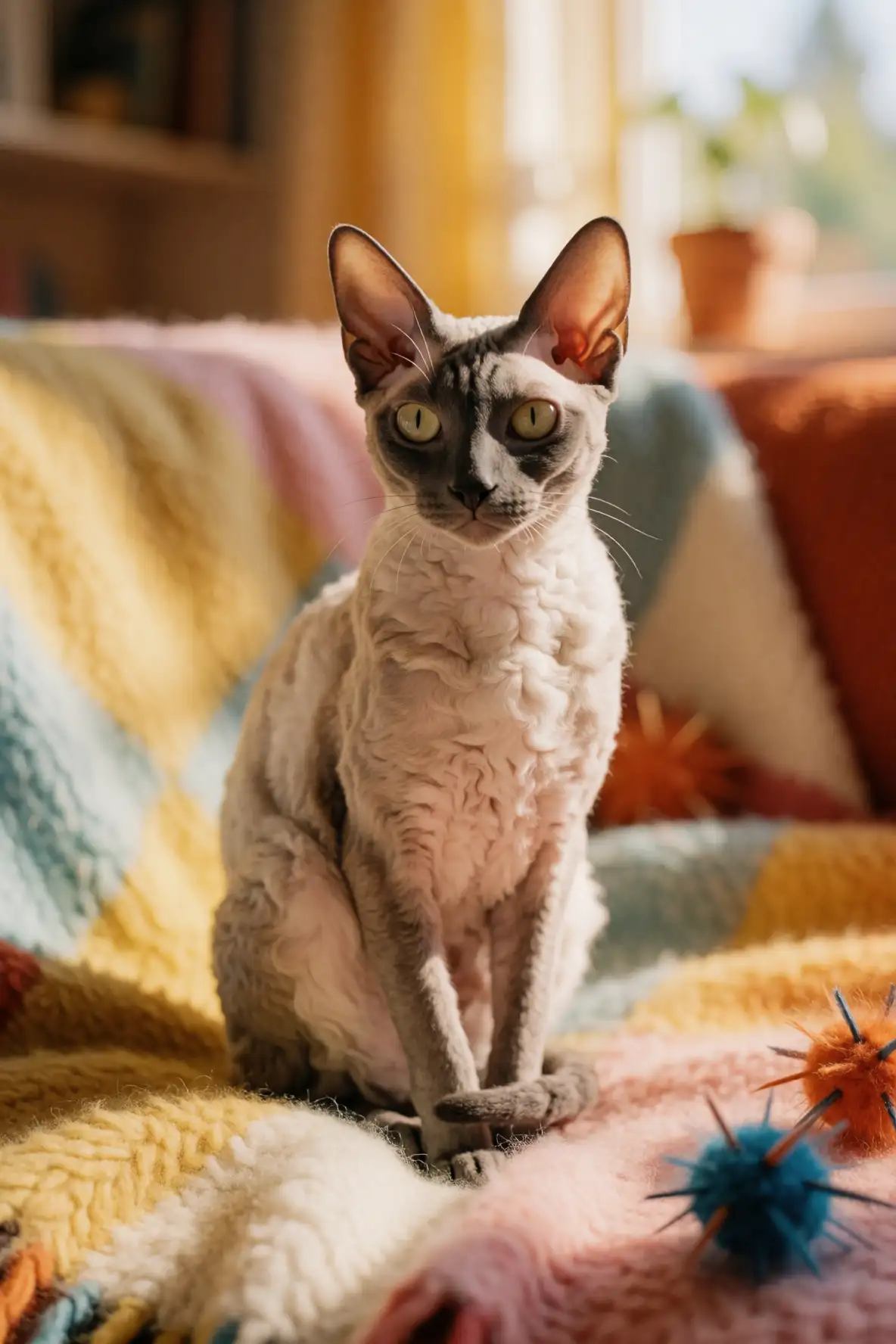
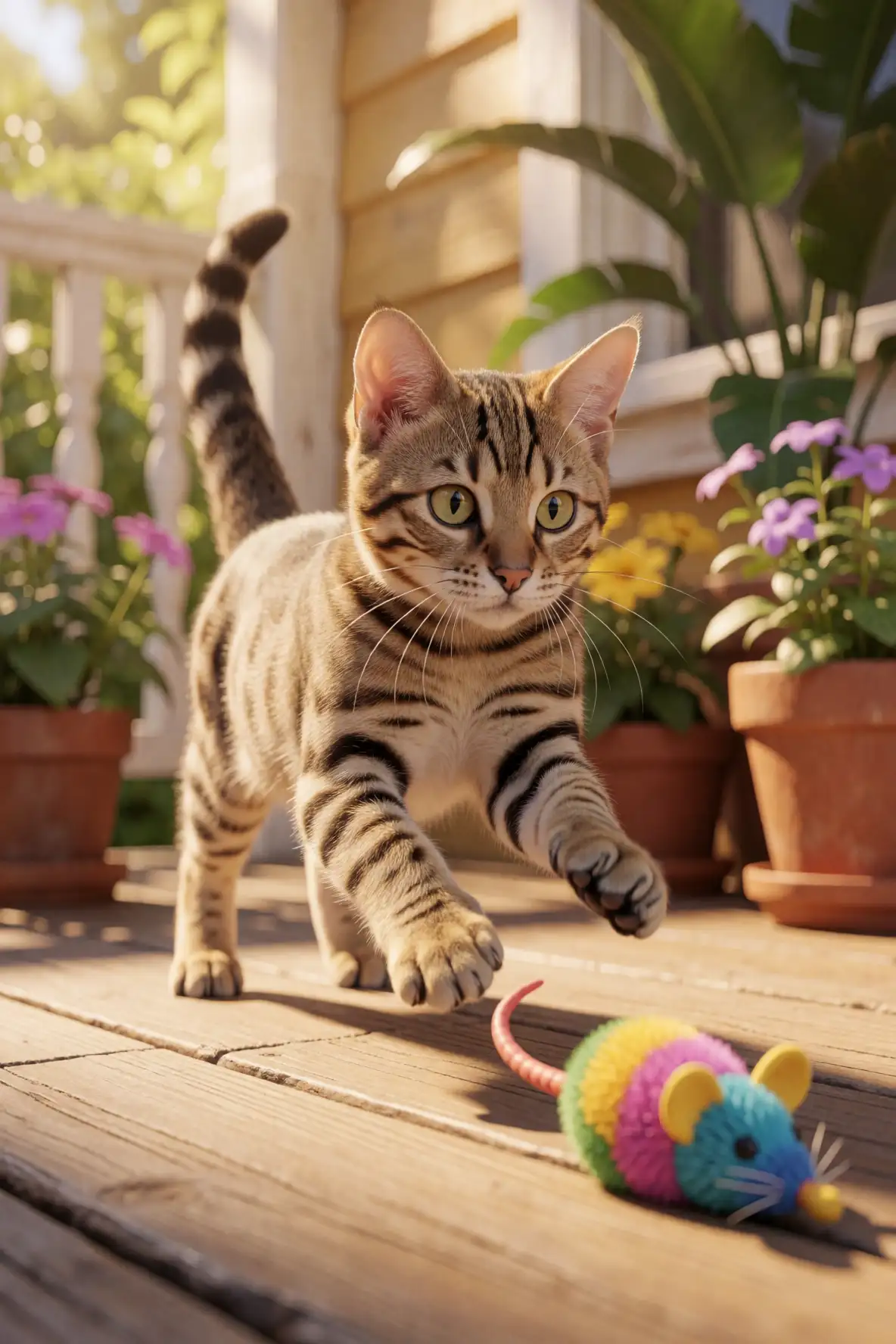
The Ocicat, a stunning breed known for its wild appearance, is a domestic cat that resembles a small leopard. With a unique coat pattern and vibrant colors, Ocicats are not only visually striking but also boast a playful and affectionate temperament. They typically weigh between 6 to 15 pounds and are highly active, requiring plenty of stimulation and interaction.
As a hybrid breed derived from crossing Abyssinians, Siamese, and American Shorthairs, Ocicats are known for their intelligence and sociability. They thrive in environments where they can engage with their human companions and other pets, making them excellent family pets.
Factors Affecting the Price of Ocicat Kittens
The cost of an Ocicat kitten can vary widely based on several factors, including breeder reputation, location, and the kitten's lineage. Ethical breeders who prioritize health testing and responsible breeding practices are likely to charge more, as they ensure their kittens are healthy and well-socialized.
Other factors include the kitten's coat color and pattern. Rare colors or unique markings can drive up the price, reflecting their desirability among potential cat owners. Additionally, geographical location plays a role; prices may be higher in urban areas compared to rural settings.
Average Price Range for Ocicat Kittens in 2026
In 2026, the average price range for Ocicat kittens typically falls between $1,500 and $2,500. This range may seem steep, but it reflects the quality of care and dedication involved in breeding these exceptional cats. Some breeders may charge as little as $1,200, while others with champion lines or rare colors may list their kittens for upwards of $3,000.
As you consider adding an Ocicat to your family, remember that the initial price is just one part of the equation. It’s essential to factor in the long-term costs of care, including food, routine veterinary visits, and grooming.
Initial Costs of Owning an Ocicat
Aside from the purchase price, new Ocicat owners should budget for essential supplies and services. These include high-quality food, litter, scratching posts, toys, and a cozy bed. Expect to spend approximately $300 to $500 on initial supplies for your new kitten.
Furthermore, vaccinations, spaying or neutering, and microchipping are critical services that may add an additional $200 to $500 to your initial expenses, ensuring your kitten is healthy and safe.
Ongoing Care Costs for Ocicats
The ongoing care of an Ocicat involves monthly expenses for food, litter, and routine veterinary care. High-quality cat food for an Ocicat can range from $50 to $100 per month, depending on the brand and dietary needs.
Additionally, regular veterinary check-ups and preventive care will likely cost around $200 to $300 annually. If your Ocicat requires any special medication or treatment, these costs could increase significantly.
Insurance Options for Ocicats
Many Ocicat owners choose to invest in pet insurance to help manage unexpected veterinary costs. Monthly premiums can range from $30 to $70, depending on the coverage level and provider you select. Ensure you read the policy details to understand exclusions and limits.
Having pet insurance can provide peace of mind, especially given the Ocicat's active lifestyle, which may lead to injuries or accidents. It’s a wise investment for responsible pet ownership.
How to Find Reputable Ocicat Breeders
When looking for an Ocicat kitten, it’s crucial to do your research and find a reputable breeder. Start by checking breed clubs and associations, which often maintain breeder directories. Look for breeders who are transparent about their breeding practices and health testing procedures.
Visiting the breeder’s home or cattery can also provide insight into the conditions in which the kittens are raised. A clean environment and healthy, socialized kittens are key indicators of a responsible breeder.
Alternative Options: Adopting an Ocicat
While purchasing from breeders is common, consider the option of adopting an Ocicat from a rescue organization or shelter. Adoption fees can range from $100 to $300, which is significantly lower than buying from breeders.
While it may be less common to find an Ocicat in shelters, some rescue groups specialize in this breed. Adopting not only saves you money but also provides a loving home to a cat in need.
Common Health Issues in Ocicats
Like all breeds, Ocicats are prone to certain health issues. Genetic conditions such as hypertrophic cardiomyopathy (HCM) and kidney disease can affect them. Responsible breeders will conduct health screenings to reduce the risk of these conditions.
Regular veterinary care and a healthy diet are essential in preventing potential health complications. As a new Ocicat owner, being informed about these issues can help you make the best decisions for your feline friend.
Conclusion: Is an Ocicat Right for You?
Deciding to bring an Ocicat into your home is a significant commitment, both emotionally and financially. Understanding the costs associated with acquiring and caring for this breed is crucial in making an informed decision. If you believe an Ocicat fits your lifestyle, browse available kittens and breeders on CatHatch to find your new furry companion.
Frequently Asked Questions
How much do Ocicat kittens typically cost?
Ocicat kittens usually range from $1,500 to $2,500, with some rare colors costing more. Prices depend on breeder reputation, kitten lineage, and location.
Are Ocicats expensive to care for?
Ongoing care for an Ocicat includes food, veterinary visits, and supplies, typically costing around $500 to $1,000 annually. Budgeting for these expenses is essential for potential owners.
Can I adopt an Ocicat?
Yes, while less common, it is possible to adopt an Ocicat from rescue organizations or shelters. Adoption fees are usually much lower, ranging from $100 to $300.
What health issues are common in Ocicats?
Ocicats can be prone to health issues like hypertrophic cardiomyopathy (HCM) and kidney disease. Regular veterinary care and health screenings can help manage these risks.
What should I look for in a breeder?
Look for breeders who are transparent about their practices, conduct health screenings, and raise their kittens in clean, social environments. Visiting the breeder can also provide valuable insight.