How Long Do Cornish Rex Cats Live? Lifespan & Health Guide
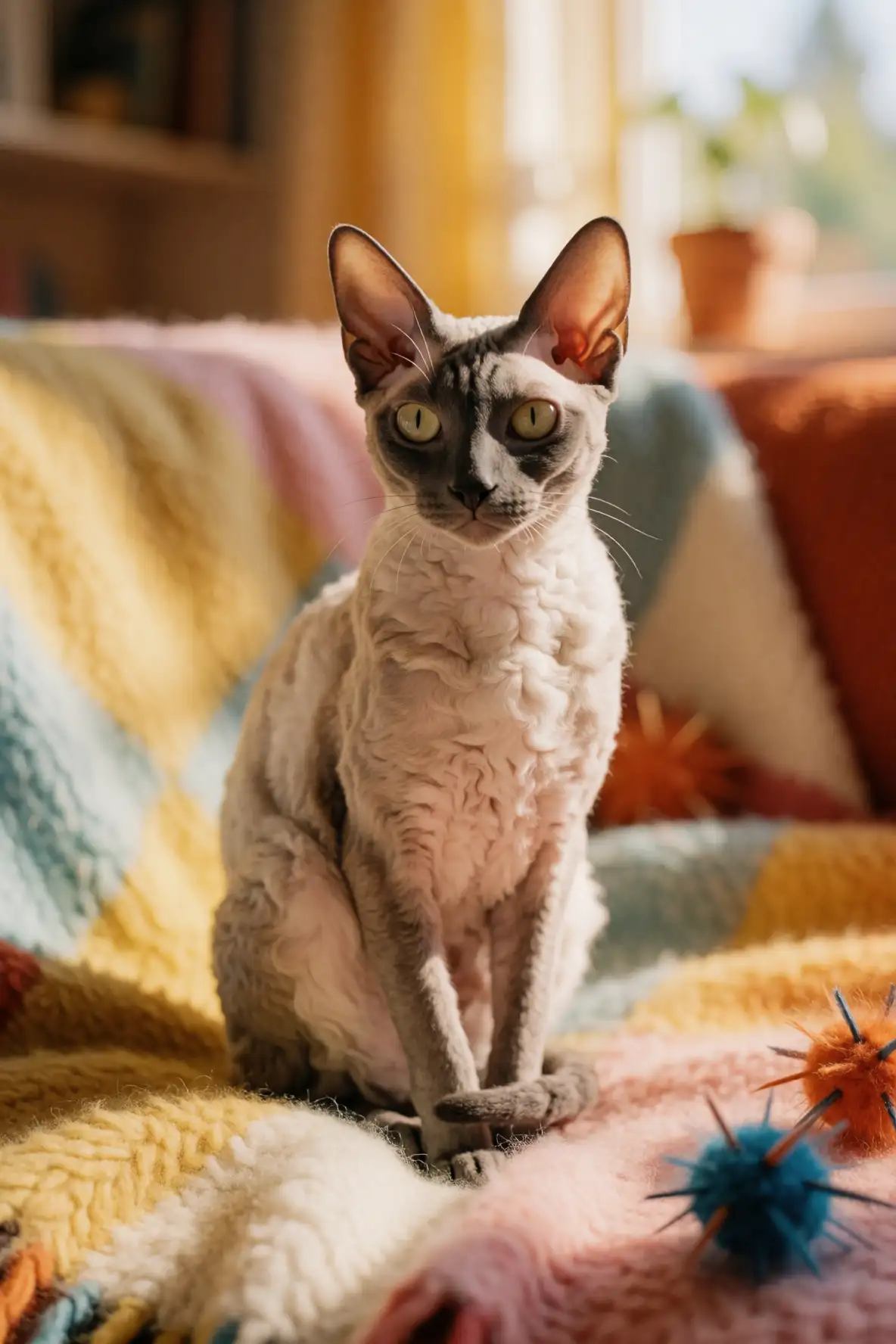
Understanding the Cornish Rex Lifespan
Cornish Rex cats typically have a lifespan of 12 to 15 years, though some can live even longer with proper care. As with any breed, several factors contribute to their longevity, including genetics, diet, and healthcare. Understanding these elements can help you ensure that your Cornish Rex has a long, fulfilling life.
While their lifespan is relatively standard for cats, the Cornish Rex is known for its unique physical attributes that come with specific needs. These playful and affectionate cats require a bit of extra attention to remain healthy and vibrant throughout their years.
Factors Impacting Lifespan
Genetics plays a significant role in the lifespan of Cornish Rex cats. Responsible breeding practices can enhance their health and longevity. When looking for a Cornish Rex kitten, be sure to choose a reputable breeder who screens for genetic conditions. This will greatly impact the overall health of your future feline companion.
Diet is another crucial factor. A balanced diet rich in high-quality protein, essential fatty acids, and necessary vitamins will contribute to your cat's health and vitality. Feeding your Cornish Rex specific amounts based on their age, weight, and activity level will help maintain their ideal weight and prevent obesity-related health issues.
Common Health Issues
Like all breeds, Cornish Rex cats are prone to certain health issues. Some of the common problems include hypertrophic cardiomyopathy (HCM), a heart disease that affects many cats. Regular veterinary check-ups will help catch any early signs of health problems, allowing for prompt treatment.
Another possible concern is their unique coat, which while beautiful, can make them more susceptible to temperature changes. Owners should be cautious about exposing Cornish Rex cats to extreme temperatures, ensuring they are comfortable in both hot and cold environments.
Maintaining a Healthy Cornish Rex
To promote longevity in your Cornish Rex, regular exercise and mental stimulation are essential. These cats are playful and intelligent, so engaging them with toys, climbing structures, and interactive playtime will keep them fit and happy.
Routine veterinary care, including vaccinations, dental check-ups, and annual wellness exams, will help catch potential health issues early. Don’t forget to consider pet insurance, which can provide peace of mind regarding unexpected medical expenses.
Nutrition for Lifespan Extension
Feeding your Cornish Rex a high-quality diet formulated for their specific needs will make a difference in their health. Look for cat food that lists real meat as the first ingredient, ensuring they receive the proteins they need to maintain their energy levels.
Additionally, consider incorporating wet food into their diet to ensure they stay hydrated. Cats can easily become dehydrated, and wet food can help mitigate this risk while also being appealing to their palate.
Exercise Needs of Cornish Rex Cats
Cornish Rex cats are known for their energetic nature, and they require regular exercise to stay healthy. Regular play sessions not only keep them physically fit but also stimulate their minds. Use feather wands, laser pointers, and interactive toys to engage them in play.
Creating a safe environment where your Cornish Rex can explore will help satisfy their curiosity and adventurous spirit. Cat trees and shelves for climbing can provide them with the exercise they crave.
Grooming Your Cornish Rex
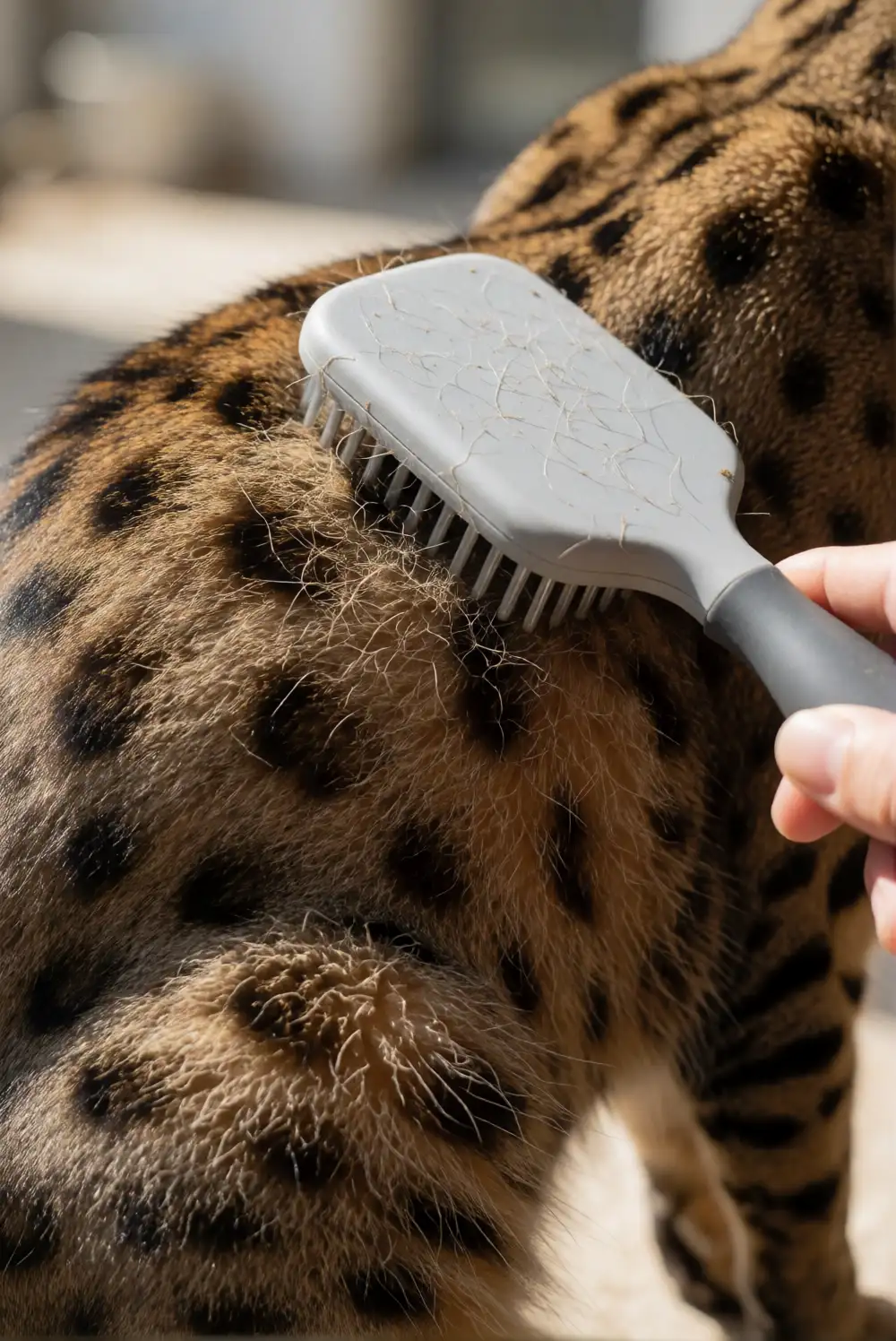
Due to their short, curly coat, Cornish Rex cats require minimal grooming compared to long-haired breeds. However, regular brushing can help reduce any loose hair and prevent skin issues. Bathing them occasionally may also help keep their skin healthy.
Pay attention to their ears as well, as Cornish Rex cats are prone to ear wax buildup. Regular cleaning will keep their ears in good condition and prevent potential infections.
Socialization and Companionship
Cornish Rex cats thrive on social interaction and companionship. They are known for their affectionate nature, often forming strong bonds with their human families. Providing them with ample attention and interaction will not only enhance their happiness but also promote mental well-being.
Consider adopting another pet if you’re often away from home. A playmate can keep your Cornish Rex entertained and provide them with the social interaction they need.
Creating a Safe Environment
To ensure the safety and well-being of your Cornish Rex, create a secure living environment. Remove potential hazards such as toxic plants, small objects they might swallow, and ensure windows and balconies are secure to prevent escapes.
Providing hiding spots and comfortable resting places will help your Cornish Rex feel secure in their home, reducing anxiety and stress.
Choosing the Right Breeder
When looking for a Cornish Rex kitten, it’s vital to choose a responsible breeder. Ask about health screenings, breeding practices, and the environment in which the kittens are raised. A reputable breeder will be transparent about their cats’ health history and provide you with the necessary information.
Browsing available kittens on CatHatch can help you find ethical breeders who prioritize the health and well-being of their cats.
Conclusion
With proper care, a Cornish Rex can live a long, healthy life filled with joy and companionship. By understanding their specific needs and ensuring a loving environment, you can provide a nurturing home for your feline friend. Remember, regular veterinary visits and a balanced diet are key to keeping your Cornish Rex happy and thriving!
Frequently Asked Questions
How long do Cornish Rex cats typically live?
Cornish Rex cats generally live between 12 to 15 years, although many can live longer with proper care.
What health issues are common in Cornish Rex cats?
Common health issues include hypertrophic cardiomyopathy (HCM) and temperature sensitivity due to their unique coat.
What should I feed my Cornish Rex?
Feed your Cornish Rex a high-quality diet with real meat as the first ingredient and consider incorporating wet food for hydration.
Do Cornish Rex cats need a lot of exercise?
Yes, Cornish Rex cats are energetic and require regular exercise and mental stimulation through play.
How do I choose a responsible breeder for a Cornish Rex?
Look for breeders who conduct health screenings, are transparent about their practices, and prioritize the health and well-being of their cats.
Ready to Find Your Kitten?
Browse available kittens from verified breeders across the USA.