How Somali Kittens Grow
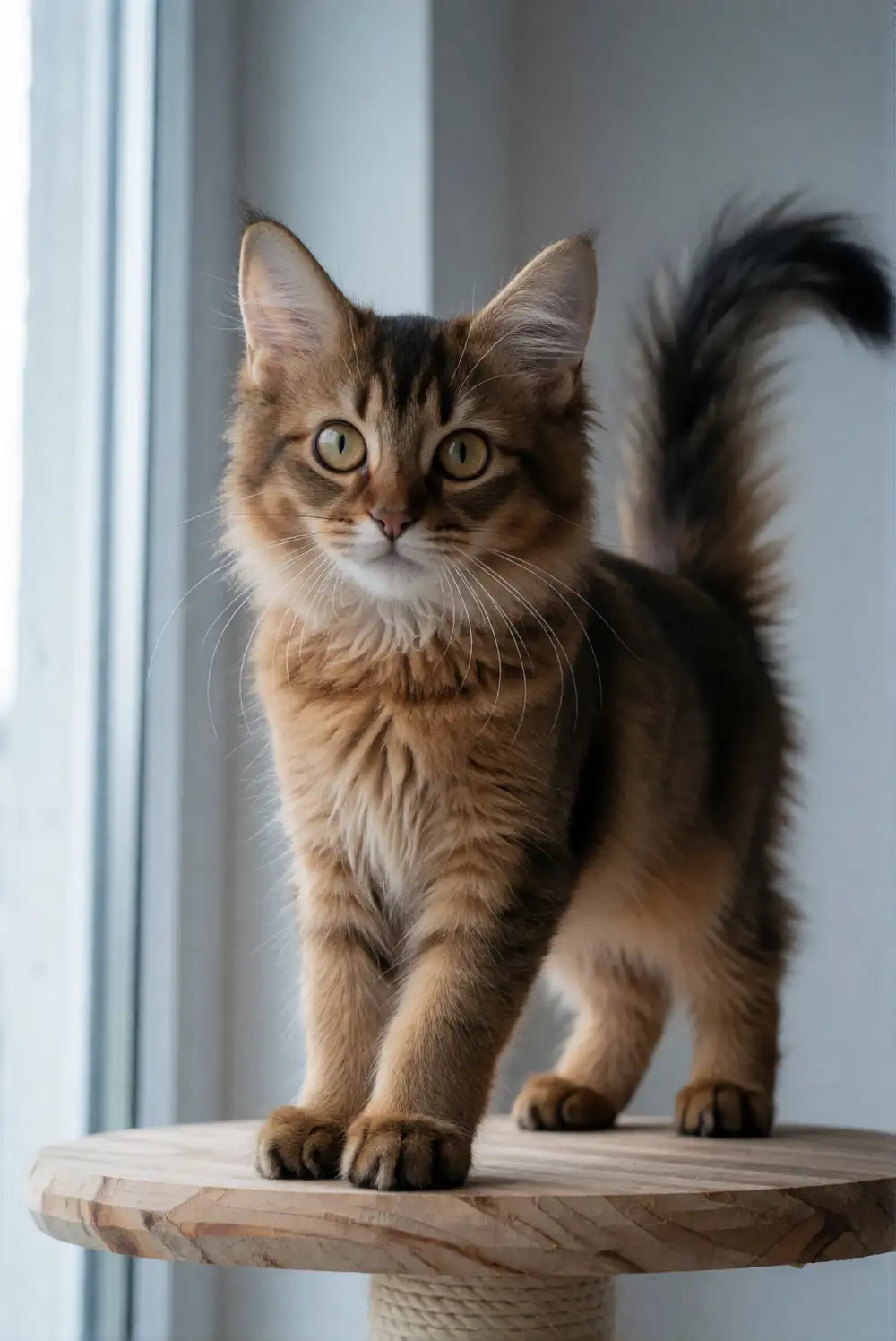
Somali kittens develop into lively, medium-sized cats with a distinctive semi-long, ticked coat, large ears, and a full, plume-like tail. The Somali is closely related to the Abyssinian and is named for its resemblance to that breed—not because it originated in Somalia. Many Somalis take longer to reach their full size and coat than shorthaired kittens, so a lanky teenager may still have plenty of growing to do.
Adult Somalis commonly weigh about 6 to 10 pounds, though healthy weight depends on sex, frame, and individual build. Rather than judging growth by a single number, track your kitten’s weight and body condition with your veterinarian. If you’re looking for a Somali kitten, you can browse available kittens and breeders on CatHatch.
Somali Kitten Growth Stages: Month by Month
Month 1: Newborn kittens rely entirely on their mother for warmth and milk. Eyes and ears open gradually, and they begin to respond to sounds and movement. Month 2: Kittens become more mobile, start exploring, and begin weaning onto kitten food. Their coordination is still developing, so keep their space safe and easy to navigate. Month 3: Many kittens go to their new homes around this age, after early socialization and veterinary care. Expect quick bursts of play, frequent naps, and a growing appetite. Follow the breeder’s and veterinarian’s guidance on vaccines, parasite prevention, and feeding.
Month 4: Your Somali may become more adventurous and begin losing baby teeth as adult teeth emerge. Provide appropriate toys and scratching surfaces. Month 5: Legs and body may look like they are growing faster than the coat is filling in; this gangly stage is normal. Month 6: Growth continues, but the kitten’s rate may start to slow. Ask your veterinarian whether to continue kitten food and when to discuss spaying or neutering.
Months 7–9: Your kitten is an energetic adolescent, practicing climbing, chasing, and jumping. The coat may become fuller and the tail more noticeably plumed, although coat development varies. Keep play active and predictable, and use toys rather than hands for chasing games. Months 10–12: Many Somalis are nearing their adult height, but may still be filling out. Their focus and impulse control are improving, yet they still need daily play, enrichment, and a diet formulated for growth.
Feeding and Healthy Weight
Feed a complete and balanced kitten food labeled for growth, and use the package’s portion guidance as a starting point—not a fixed rule. Kittens have small stomachs, so several measured meals a day are often easier than one large meal. Adjust portions to maintain steady growth and a lean body condition, and keep fresh water available. Avoid adding supplements unless your veterinarian recommends them; a balanced kitten diet generally supplies the nutrients needed for development.
Weigh your kitten regularly, ideally on the same scale, and keep a simple record to spot changes over time. A sudden plateau, weight loss, persistent diarrhea, or a noticeably swollen belly deserves a veterinary call. Your veterinarian can assess growth in context, including body condition and family size, rather than relying on a generic chart.
Coat Care, Play, and Social Development
A Somali’s fine, silky coat is longer than an Abyssinian’s and often develops gradually. Brush gently once or twice a week, increasing sessions if the coat tangles or sheds more heavily. Make grooming brief and rewarding from the start, and check the tail, trousers, and areas behind the ears. Frequent bathing is usually unnecessary unless your veterinarian advises it.
Somalis are often curious, athletic, and people-oriented, so provide climbing spaces, puzzle feeders, and interactive play every day. Rotate toys to keep exploration interesting, and give your kitten calm places to rest. Reward gentle handling and introduce household sounds and routines gradually. A well-socialized kitten benefits from positive, low-pressure experiences rather than forced contact.
When to Check In With Your Veterinarian
Schedule regular kitten visits for physical exams, vaccinations, parasite prevention, and advice on nutrition and dental care. Ask your veterinarian to review your Somali’s weight trend, coat and skin, and the timing of spaying or neutering. Keep the carrier familiar and use treats or a blanket to make trips less stressful.
Contact a veterinarian promptly if your kitten refuses food, has repeated vomiting or diarrhea, struggles to breathe, seems unusually weak, or has trouble urinating. Kittens can become dehydrated or ill quickly. For everyday growth questions, bring your weight notes and details about appetite, stool, and activity to the appointment.
Frequently Asked Questions
How big do Somali kittens get?
Most adult Somalis weigh around 6 to 10 pounds, but individual size varies. Your veterinarian can tell you whether your kitten is growing appropriately for their frame.
When is a Somali cat fully grown?
Many Somalis reach close to their adult height by about 10 to 12 months, but they may continue filling out and developing their coat after their first birthday. Some take around 18 months or longer to look fully mature.
What should I feed a Somali kitten?
Choose a complete and balanced food labeled for kitten growth, and follow your veterinarian’s portion advice. Keep fresh water available and avoid switching foods abruptly.
How often should I brush a Somali kitten?
Start with gentle brushing once or twice a week and adjust if the coat tangles or sheds. Short, positive sessions help your kitten become comfortable with grooming.
Are Somali kittens especially active?
Somalis are typically curious and athletic, and kittens often need several short play sessions each day. Climbing options, interactive toys, and food puzzles help channel that energy safely.