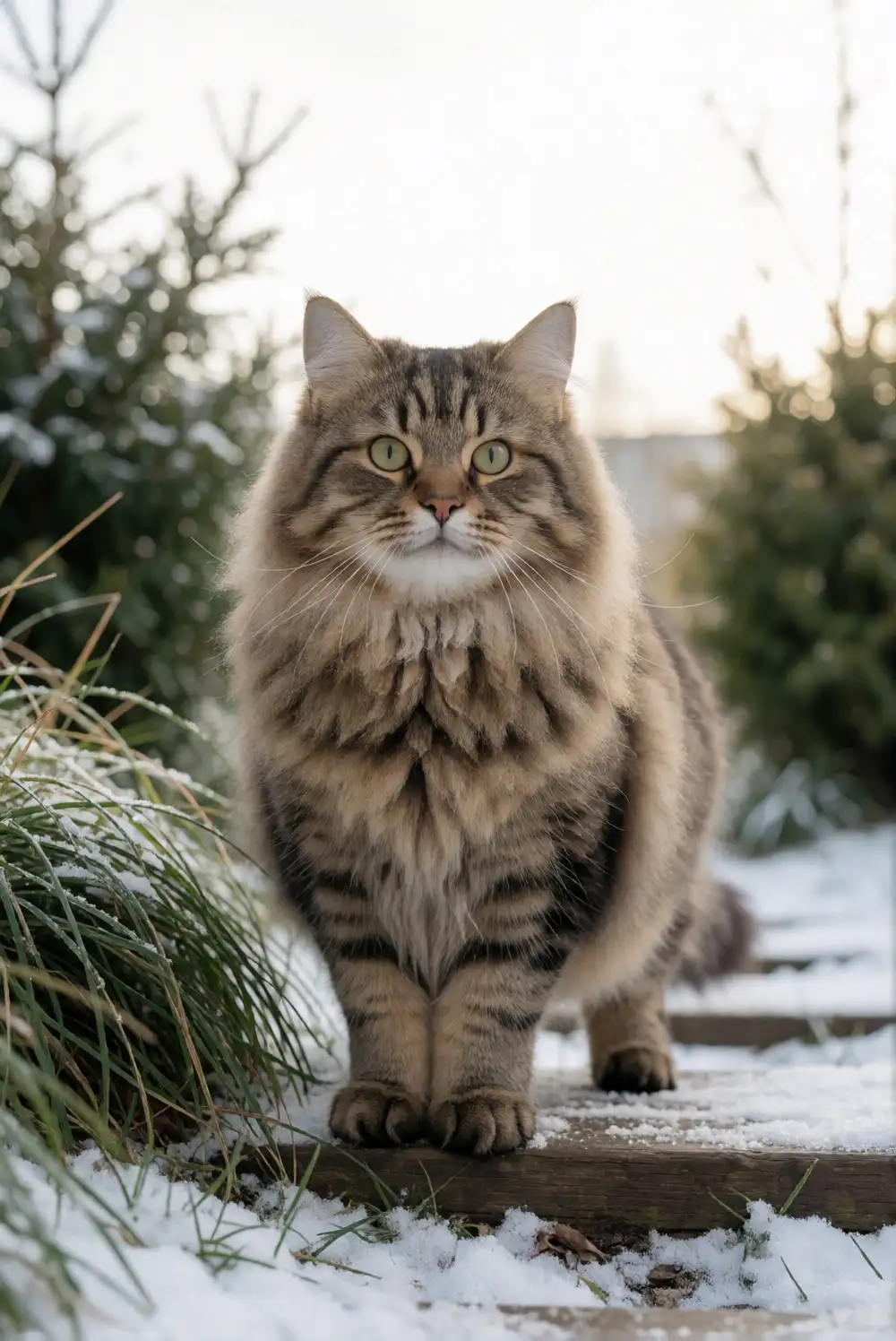
Adopting or buying a Siberian cat can lead to a wonderful companion, but the paths differ in cost, availability, and how much you’ll know about the cat’s background. Siberians are sturdy, active cats with dense, semi-long coats, and they may take several years to reach full maturity—so plan for a long-term commitment, not just the initial price.
Adopting a Siberian: Pros and Cons
Siberians do enter shelters and rescue groups, but they’re less common than many domestic cats. You may find one through a breed-specific rescue, a local shelter, or an owner rehoming a cat. Adult Siberians are often easier to assess than kittens: a foster or shelter may be able to describe their activity level, social habits, grooming tolerance, and comfort around children or other pets.
Adoption usually costs about $75 to $500, depending on location and what the fee includes. Many organizations provide spay or neuter surgery, vaccines, microchipping, and an initial exam. The trade-offs are limited choice and incomplete history: a cat’s pedigree, early socialization, or inherited health risks may be unknown. Ask for medical records and arrange a veterinary exam soon after adoption. If you’re flexible about age, color, and timing, adoption can be an affordable way to welcome a Siberian or Siberian mix.
Buying from an Ethical Siberian Breeder
A well-bred Siberian kitten commonly costs about $1,500 to $3,500 in the United States; show prospects or kittens from particularly sought-after lines may cost more. Prices vary by region and breeder. The purchase price should reflect careful raising and veterinary care—not be treated as proof of quality on its own. Ask what’s included, such as vaccinations, a health exam, registration, a written contract, and a return policy if you can no longer keep the cat.
A responsible breeder lets you meet the kittens’ mother or see where the litter is raised, explains the breed’s needs, and asks you questions, too. Request health records and ask how the breeder evaluates cats for inherited conditions, including hypertrophic cardiomyopathy (HCM). A veterinary cardiac evaluation of breeding cats can provide useful information; no screening can guarantee a kitten will never develop a health problem. Avoid sellers who won’t share records, offer immediate shipment without screening you, or pressure you to pay a deposit before answering questions. CatHatch can help you browse available Siberian kittens and breeders, but verify each breeder’s practices and paperwork yourself.
Real Costs Beyond the Adoption Fee or Purchase Price
Whether you adopt or buy, budget for the first weeks at home as well as routine care. Initial supplies and setup—such as a carrier, litter box, scratching posts, food and water bowls, and grooming tools—may run roughly $200 to $600. A first veterinary visit and any needed vaccines, parasite treatment, or testing can add $100 to $400 or more. Some adoption fees or breeder packages cover part of this care, so check before paying twice.
For an adult Siberian, routine food, litter, preventive veterinary care, and basic grooming supplies often total about $900 to $1,800 a year. Costs rise with premium diets, local veterinary prices, dental treatment, chronic conditions, or professional grooming. Pet insurance may add roughly $20 to $60 or more per month, depending on the cat and policy; an emergency fund is still important. These are planning ranges, not quotes, and your actual spending will depend on your location and the cat’s needs.
Care Considerations That Affect the Decision
Siberians have a thick, water-resistant double coat that benefits from regular combing, especially during seasonal shedding. Plan to groom several times a week and check for tangles in areas such as the chest, belly, and behind the legs. Their athletic build and playful nature also call for sturdy climbing options, daily interactive play, and enough space to move. Food portions should suit the individual cat rather than the breed’s size alone, since weight gain can strain joints and overall health.
Siberians are often social and people-oriented, but every cat has an individual temperament. Spend time with a kitten or adult before committing, and ask how they respond to handling and everyday household activity. They’re sometimes marketed as hypoallergenic because some may produce lower levels of the Fel d 1 allergen, but no Siberian is guaranteed allergy-safe. If allergies are a concern, spend time with that specific cat before bringing them home.
Which Route Is Right for You?
Choose adoption if you’re open to an adult cat, want to give a cat a second home, and can accept some uncertainty about its history. Choose a reputable breeder if you specifically want a Siberian kitten with documented parentage and are prepared to pay more and wait for a carefully planned litter. Neither route guarantees a particular personality or perfect health.
Whichever route you take, compare the total first-year budget—not just the adoption fee or kitten price—and keep funds available for unexpected veterinary care. CatHatch is one place to browse Siberian kittens and breeders; take time to confirm health records, policies, and the cat’s needs before making a decision.
Frequently Asked Questions
How much does it cost to adopt a Siberian cat?
Adoption fees commonly range from about $75 to $500, though local organizations set their own prices. The fee may include spay or neuter surgery, vaccines, a microchip, or an initial exam, so ask what’s covered.
How much does a Siberian kitten cost from a breeder?
Many Siberian kittens from reputable U.S. breeders cost around $1,500 to $3,500. Location, lineage, and what the breeder includes affect the price; unusually low prices deserve careful scrutiny.
Are Siberian cats hypoallergenic?
No cat breed is reliably hypoallergenic, and Siberians can still trigger allergies. Some individuals may produce less Fel d 1, but levels vary, so spend time with the specific cat if possible.
Are Siberians expensive to care for?
Routine care may cost roughly $900 to $1,800 annually, excluding emergencies and the initial setup. Food, veterinary prices, insurance, grooming, and health needs can push the total higher.
What health issues should I ask about before getting a Siberian?
Ask about the cat’s medical history and the breeder’s approach to inherited conditions, especially hypertrophic cardiomyopathy (HCM). Request veterinary records and have your own veterinarian examine the cat after adoption or purchase.