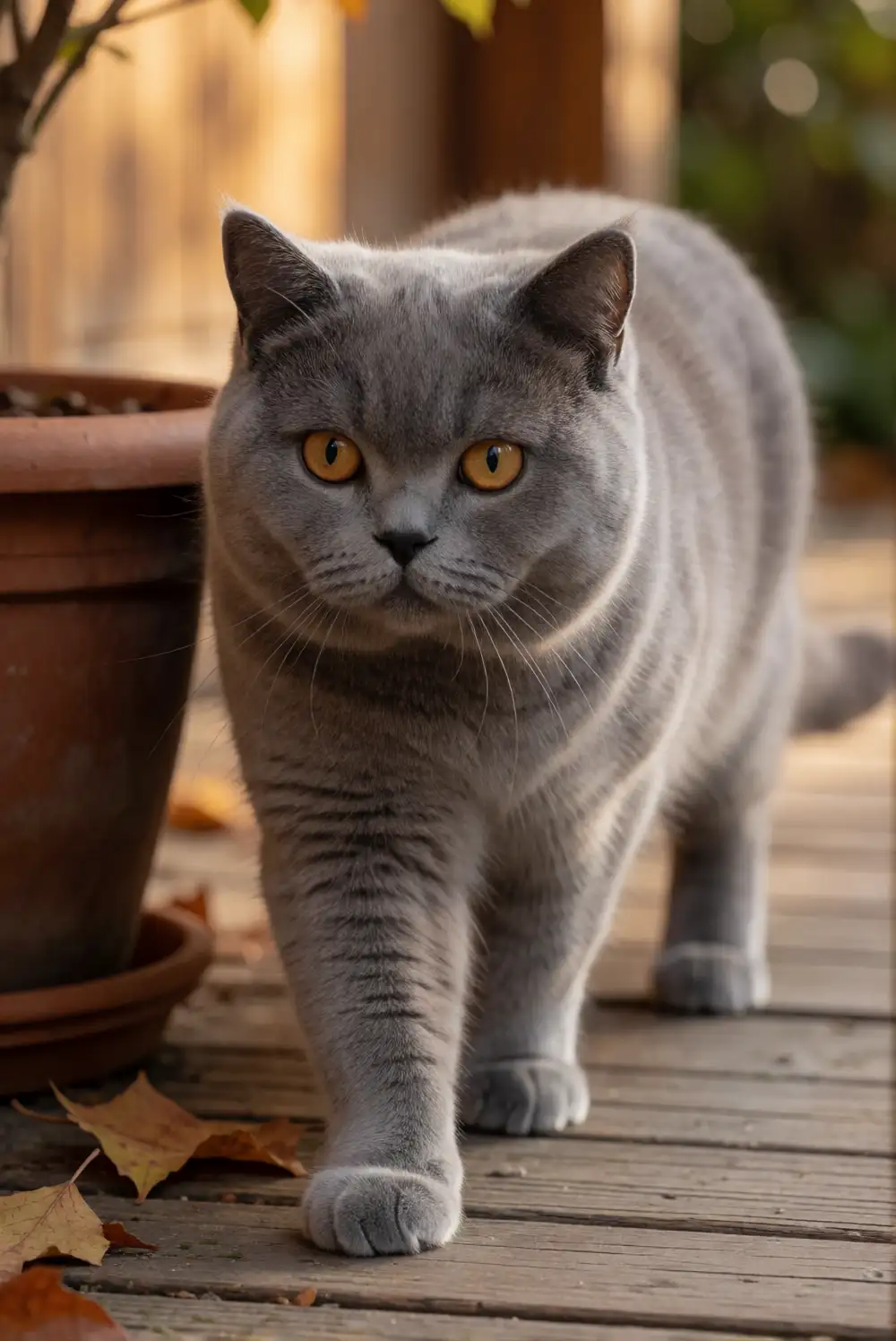
Choosing between adopting and buying a British Shorthair depends on your priorities, budget, and patience: adoption can offer a home to a cat in need, while a responsible breeder may make it easier to find a kitten with known lineage and early health records. This sturdy, round-faced breed is known for a dense plush coat and calm, independent nature, but either route calls for careful research and a plan for lifelong care.
British Shorthair Adoption vs. Buying: What Changes?
The main difference is predictability. With a breeder, you can usually learn a kitten’s pedigree, meet at least the mother, and review health screening and early veterinary care. That may help you understand inherited risks and likely adult appearance, although no breeder can guarantee a cat’s future health or personality.
Adopted cats may be adults, so their size, temperament, and habits are often easier to assess than a young kitten’s. Their history can be incomplete, and British Shorthairs are less commonly found in shelters than mixed-breed cats. Breed-specific rescues and shelters sometimes take in purebred cats, but you may need to wait or consider an adult rather than a kitten.
Adopting a British Shorthair: Benefits and Challenges
Adoption fees are generally lower than breeder prices and often include initial vaccines, spaying or neutering, and a veterinary exam. You also give a cat a second chance, and an adult British Shorthair may already be comfortable with home life. Ask the shelter or rescue about the cat’s activity level, grooming tolerance, past living situation, and how it responds to children or other pets.
The trade-off is limited choice and potentially limited medical history. A cat described as a British Shorthair may be a mix, and coat color alone cannot confirm breed. Request all available veterinary records and ask what health concerns have been assessed. If the cat’s background is unknown, arrange a full checkup with your veterinarian soon after adoption and budget for any follow-up care.
Buying from a British Shorthair Breeder
A responsible breeder should welcome questions, let you see where kittens are raised, and provide veterinary records, a written contract, and a clear return or rehoming policy. Ask about screening for hypertrophic cardiomyopathy (HCM), a heart disease found in cats, and polycystic kidney disease (PKD), an inherited condition. A genetic test can identify PKD in lines where it is a concern, while HCM screening typically involves veterinary evaluation such as echocardiography; ask what was tested, by whom, and when.
Be cautious of sellers who always have many kittens available, offer immediate delivery without questions, or will not show you the kitten’s environment. A very low price, pressure to pay quickly, or promises that a kitten is “completely healthy” are also warning signs. Ethical breeders prioritize the cats’ welfare, match kittens thoughtfully, and are willing to discuss potential health risks rather than dismiss them.
Real British Shorthair Costs
In the United States, adoption fees commonly fall around $75–$400, though fees and availability vary by organization. A British Shorthair kitten from a reputable breeder often costs roughly $1,500–$3,500; location, pedigree, and breeding program affect the price. Unusually cheap kittens can come with incomplete care or questionable sourcing, so compare what is included rather than choosing by price alone. Readers can browse available kittens and breeders on CatHatch while checking each seller’s health practices independently.
Plan beyond the initial fee. A first veterinary visit, carrier, litter supplies, scratching posts, and other setup costs can add several hundred dollars. Routine food, litter, preventive care, and annual exams commonly total about $800–$2,000 or more per year, depending on location and choices. Emergency treatment or ongoing illness can cost substantially more. British Shorthairs are muscular and can gain excess weight, so measured meals and activity help protect long-term health; their thick coat also benefits from weekly brushing, especially during shedding seasons.
How to Choose the Right Route
Adoption may suit you if you are flexible about age, timing, and pedigree, and are ready to work with the information available about an individual cat. Buying may fit if you specifically want a kitten from documented lines and can thoroughly vet a breeder. Either way, prioritize health records, temperament, and a secure plan for veterinary costs over coat color or a quick pickup.
Before deciding, speak with a veterinarian or reputable rescue, make sure household members agree, and consider whether you can meet a British Shorthair’s needs for companionship, play, and weight management. CatHatch can help you explore breeder options, but careful verification and an in-person or live video conversation remain essential.
Frequently Asked Questions
Is it better to adopt or buy a British Shorthair?
Neither option is automatically better; it depends on your priorities and the individual cat’s welfare. Adoption may cost less and gives a cat a home, while a responsible breeder can provide documented lineage and early health information.
How much does it cost to adopt a British Shorthair?
Many U.S. shelters and rescues charge about $75–$400, but fees vary and purebred availability is limited. Ask whether the fee includes vaccinations, a veterinary exam, and spaying or neutering.
How much does a British Shorthair kitten cost from a breeder?
A kitten from a reputable U.S. breeder often costs around $1,500–$3,500. The price depends on location, pedigree, and the breeder’s program, so review health testing and care rather than relying on price alone.
Are British Shorthairs commonly available for adoption?
They are less common in general shelters than mixed-breed cats, and kittens may be especially difficult to find. Check breed-specific rescues and be open to adopting an adult or a British Shorthair mix.
What health checks should I ask about before getting a British Shorthair?
Ask about screening for HCM and PKD, and request the actual veterinary or genetic test records. A veterinarian can help you understand what the results cover and what ongoing preventive care your cat may need.