Persian Cat Breed: The Complete Guide for 2026

History of the Persian Cat
The Persian cat breed is one of the oldest cat breeds in the world, dating back to the 1600s. Originating in Persia, modern-day Iran, these cats were introduced to Europe in the 1600s and quickly became a symbol of luxury and elegance. Their distinctive long fur and flat faces made them a favorite among royalty and the aristocracy.
Throughout history, the Persian cat has undergone careful breeding to enhance its coat and temperament. Today, they are known for their regal appearance and gentle disposition, making them a beloved choice in many households.
Physical Characteristics
Persian cats are easily recognizable due to their round faces, short noses, and large, expressive eyes. They typically weigh between 7 and 12 pounds and have a robust, stocky body with short legs. Their luxurious coat can come in nearly any color or pattern, including solid, tabby, bicolor, and more.
One of the most notable features of the Persian is their long, flowing fur that requires regular grooming to prevent matting. This breed has a distinctive flat face, which can cause some respiratory issues, so it’s essential to monitor their health closely.
Temperament and Personality
Persian cats are known for their calm and gentle nature. They are affectionate and enjoy being pampered, making them ideal companions for those who appreciate a laid-back lifestyle. While they may not be as playful as some other breeds, Persians still enjoy interactive playtime with their humans.
Grooming Needs
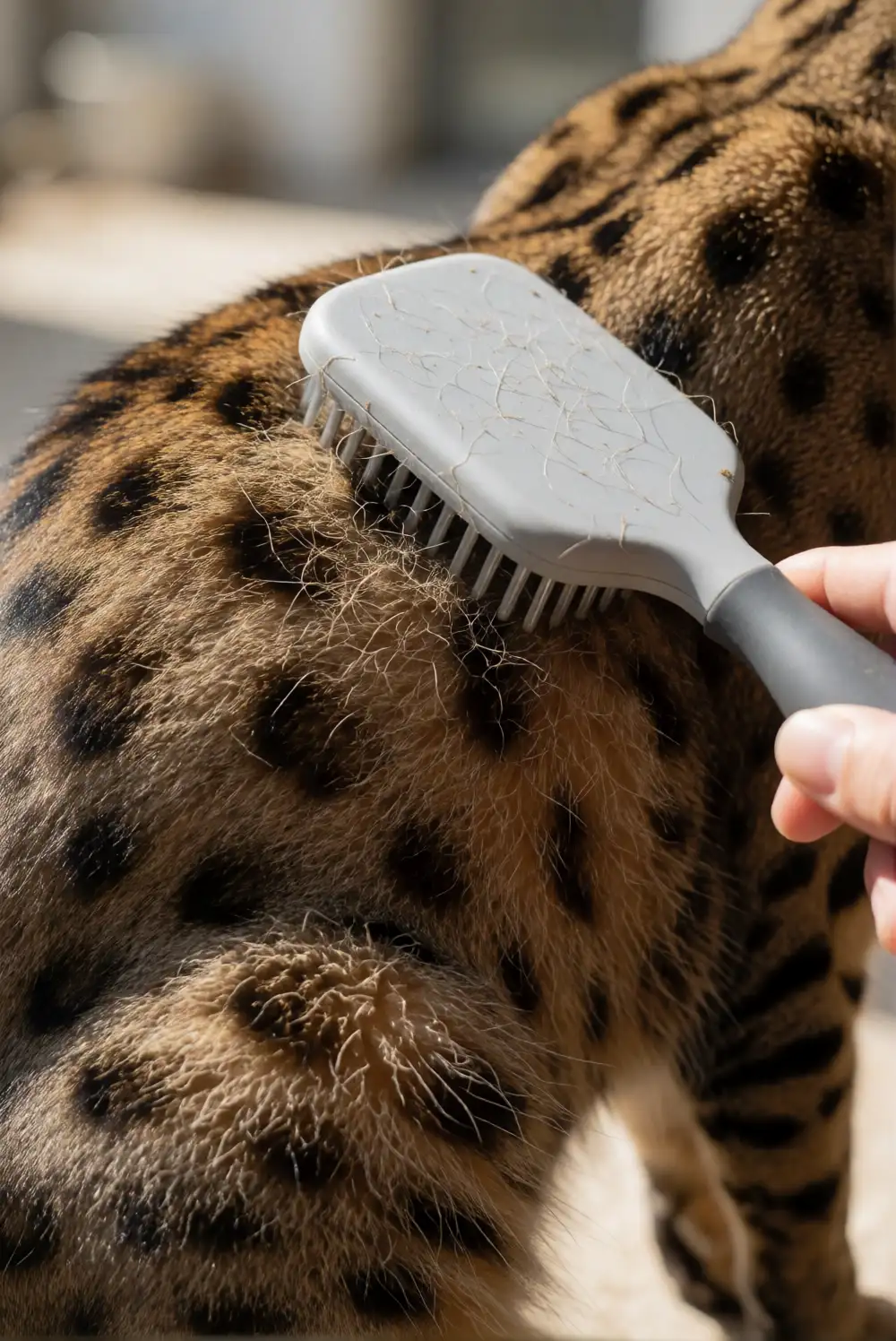
Grooming is a critical aspect of caring for a Persian cat. Their long, thick fur requires daily brushing to prevent tangles and mats. It's advisable to invest in a good-quality brush designed for long-haired cats. Regular grooming also helps reduce shedding and keeps their coat healthy and shiny.
In addition to brushing, be sure to check their eyes and ears regularly. Persians are prone to tear staining and ear wax buildup, so routine cleaning is essential for their overall hygiene.
Feeding and Nutrition
Feeding your Persian cat a well-balanced diet is important for their health. Look for high-quality cat food that lists meat as the first ingredient and provides the essential nutrients they need. Portion control is essential, as Persians can be prone to obesity.
Always provide fresh water alongside their meals. You might also consider a cat water fountain, as many cats prefer running water. Consult your veterinarian for personalized feeding recommendations based on your cat's age, weight, and activity level.
Health Considerations
Persian cats are prone to certain health issues, including brachycephalic airway syndrome due to their flat faces, as well as polycystic kidney disease (PKD). Regular veterinary check-ups are crucial to monitor for these conditions and ensure your cat remains healthy.
Be observant of any changes in behavior or health, and consult your veterinarian promptly if you notice anything unusual. Early detection and treatment can make a significant difference in your cat's quality of life.
Where to Find Persian Kittens
If you're looking to add a Persian kitten to your family, it's essential to find a reputable breeder who prioritizes health and temperament. Ethical breeders will conduct health screenings and provide a clean, healthy environment for their cats.
You can browse available kittens on CatHatch, where you’ll find listings from responsible breeders who care deeply about their animals. Always ask questions and visit the breeder if possible to ensure you’re making a well-informed decision.
Training Your Persian Cat
While Persian cats are not typically known for their trainability, basic commands and litter box training are essential. Use positive reinforcement techniques, such as treats and praise, to encourage good behavior.
It's also helpful to provide them with scratching posts and interactive toys to keep them mentally stimulated. Although they are not as active as some other breeds, engaging in regular playtime can strengthen your bond and keep them happy.
Creating a Comfortable Home Environment
Persians thrive in a calm and quiet home. Create a cozy space with soft bedding, scratching posts, and toys to keep them entertained. They also enjoy elevated perches where they can observe their surroundings.
Temperature is important as well; ensure that your home is comfortable, avoiding drafts that could affect their health. A peaceful atmosphere will help your Persian cat feel secure and relaxed.
Socialization and Play
While generally gentle and mild-mannered, Persian cats benefit from early socialization. Expose them to various people and pets slowly and positively, helping them feel secure in different environments.
Playtime is an excellent opportunity to bond with your Persian. Engaging them in interactive play using feather wands or laser pointers can stimulate their instincts and provide them with exercise.
Conclusion
Persian cats are truly unique companions, known for their beauty and gentle demeanor. By understanding their specific needs and providing the right environment, you can ensure a happy, healthy life for your Persian cat. If you're ready to welcome one into your home, consider browsing available kittens on CatHatch to find your perfect furry friend.
Frequently Asked Questions
What is the average lifespan of a Persian cat?
The average lifespan of a Persian cat ranges from 12 to 17 years, but with proper care, some can live even longer.
Do Persian cats shed a lot?
Yes, Persian cats shed quite a bit due to their long fur. Regular grooming can help manage shedding and prevent mats.
Are Persian cats good with children?
Persian cats can be good with children, especially if socialized properly. They tend to be gentle and patient, making them suitable companions.
How much do Persian kittens cost?
Persian kittens can range from $500 to $5,000, depending on the breeder, lineage, and quality of the kitten. Always choose ethical breeders.
Do Persian cats require special care?
Yes, Persian cats require regular grooming, special attention to their health, and a balanced diet to thrive. Their unique features necessitate specific care practices.
Explore These Breeds
Ready to Find Your Kitten?
Browse available kittens from verified breeders across the USA.