Munchkin Cat Breed: The Complete Guide for 2026

Overview of the Munchkin Cat Breed
The Munchkin cat is easily identifiable by its short legs, which are caused by a genetic mutation. This unique physical trait gives them a distinctive appearance, making them one of the most recognizable breeds. Despite their small stature, Munchkin cats are known for their playful and affectionate nature, often described as being 'kittens at heart' throughout their lives.
Appearance and Size
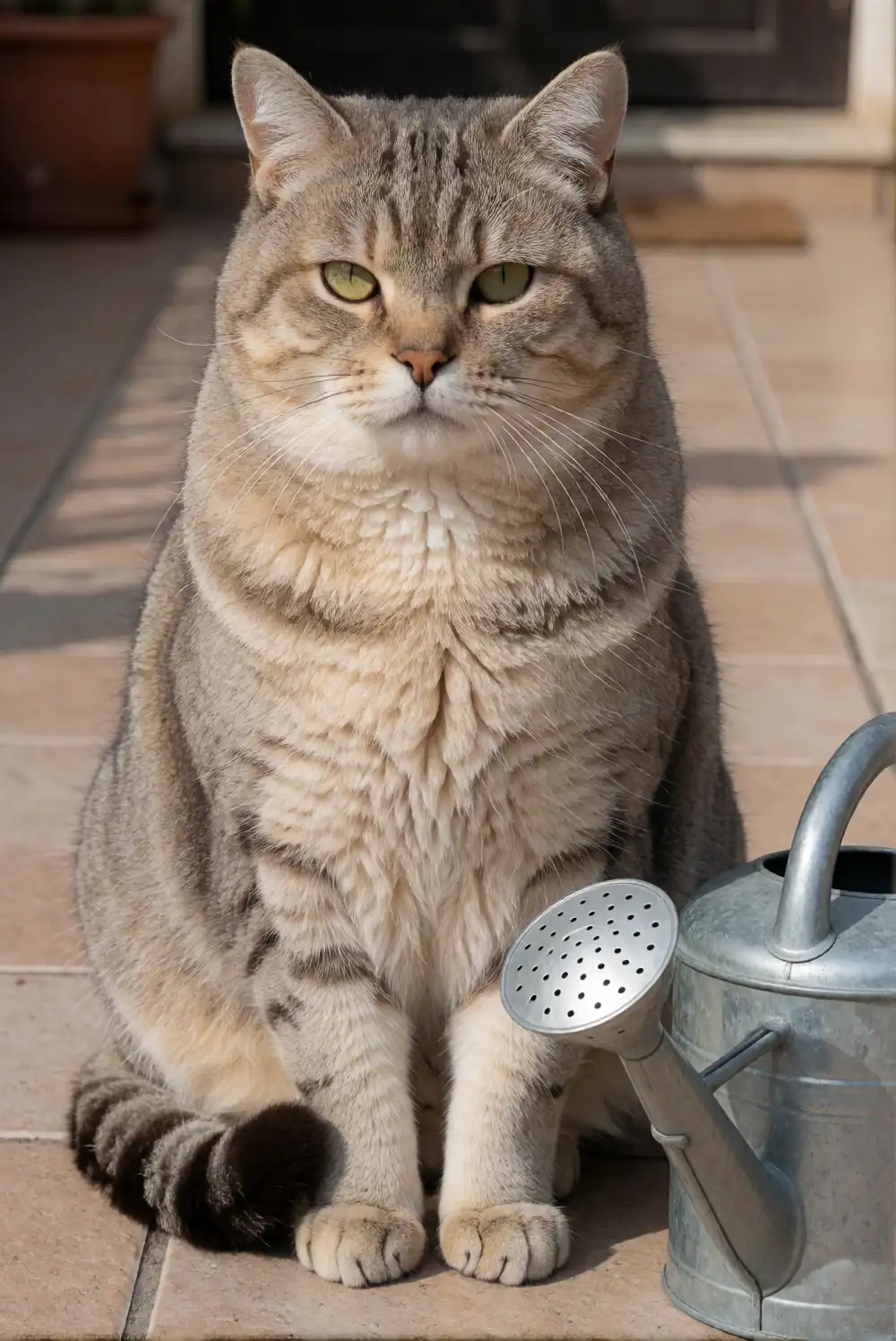
Munchkin cats generally weigh between 5 to 9 pounds, depending on their age, diet, and genetics. They come in a variety of colors and patterns, including tabby, calico, and solid colors. Their body is medium-sized, compact, and muscular, while their legs are significantly shorter than those of the average cat. This breed typically exhibits a round face with large, expressive eyes that can be green, blue, or gold.
Temperament and Personality
Munchkin cats are known for their friendly and outgoing personality. They are highly social, often forming strong bonds with their families and other pets. Their playful demeanor makes them great companions, as they love to engage in games and explore their environment. Munchkins are also intelligent and curious, which means they enjoy interactive toys and puzzles.
Caring for a Munchkin Cat
Caring for a Munchkin involves typical cat care practices, including regular feeding, grooming, and veterinary check-ups. Due to their playful nature, Munchkins benefit from a stimulating environment filled with toys and scratching posts. Regular interactive playtime will help keep them happy and healthy. It's also important to ensure they have access to a safe outdoor space, as they love to explore.
Health Considerations
Like all breeds, Munchkin cats are prone to certain health issues. One concern is lordosis, a condition affecting the spine that can lead to mobility issues. Regular veterinary check-ups are essential to monitor for any potential health problems. It's crucial for owners to be attentive to their Munchkin's health and behavior, as early detection of issues can lead to more successful treatment.
Training Your Munchkin Cat
Munchkin cats are generally easy to train due to their intelligence and eagerness to please. Training can begin early, using positive reinforcement techniques such as treats and praise. Simple commands like 'sit' or 'come' can be taught, and Munchkins often enjoy learning tricks. Socialization during kittenhood is also important to ensure they grow into well-rounded adults.
Feeding Your Munchkin Cat
A balanced diet is vital for the health of Munchkin cats. High-quality commercial cat food, whether dry or wet, is recommended. The diet should be rich in protein to support their energy levels and overall health. It's also important to monitor portion sizes to prevent obesity, which can exacerbate any potential health issues.
Grooming Needs
Grooming a Munchkin cat can vary depending on their coat length. Short-haired Munchkins typically require minimal grooming, while long-haired varieties may need more frequent brushing to prevent matting. Regardless of coat length, regular brushing helps reduce shedding and promotes a healthy coat.
Finding a Munchkin Kitten
If you're looking to bring a Munchkin kitten into your home, it's essential to find a reputable breeder. CatHatch is a great resource for browsing available Munchkin kittens and connecting with ethical breeders. Always ensure that breeders follow responsible breeding practices to promote the health and well-being of their cats.
Munchkin Cat in Popular Culture
The unique characteristics of Munchkin cats have made them favorites in popular culture. They have appeared in various media, often portrayed as whimsical and charming characters. Their distinct appearance and playful demeanor make them memorable and beloved by cat enthusiasts around the world.
Common Myths About Munchkin Cats
One common myth is that Munchkin cats are unable to jump or climb due to their short legs. While their jumping ability may differ from that of regular cats, Munchkins can still hop and climb, albeit with a bit more effort. Another myth is that they are prone to more health issues than other breeds, which isn't necessarily true when raised in a healthy environment.
The Best Environment for a Munchkin
Munchkin cats thrive in environments where they have plenty of space to play. Whether you live in a house or an apartment, providing areas for climbing, scratching, and engaging with toys is essential. A cozy bed or perch will also make them feel secure and happy in their home.
Adopting a Munchkin Cat
While many people opt to purchase Munchkin kittens from breeders, adoption is another viable option. Shelters sometimes have Munchkin cats looking for forever homes. Consider checking local rescues or shelters that specialize in cat adoptions. You might find a loving Munchkin in need of a family.
Conclusion: The Joy of Munchkin Cats
Munchkin cats are a delightful breed known for their short legs, playful nature, and affectionate personality. Whether you’re considering adopting one or just want to learn more about them, Munchkins offer endless joy and companionship. With proper care and attention, these adorable felines can bring a lot of happiness into any home.
Frequently Asked Questions
What is the average lifespan of a Munchkin cat?
The average lifespan of a Munchkin cat is typically between 12 to 15 years, although some may live longer with proper care.
Are Munchkin cats good with children?
Yes, Munchkin cats are generally good with children due to their friendly and social nature. They often enjoy playtime with kids and can be quite tolerant.
Do Munchkin cats have special health concerns?
Munchkin cats can be prone to certain health issues, including lordosis. Regular vet visits and a healthy lifestyle can help mitigate these risks.
How much do Munchkin kittens cost?
The price for Munchkin kittens can vary, typically ranging from $1,000 to $2,000 depending on the breeder and lineage. Always choose ethical breeders.
Can Munchkin cats be left alone?
While Munchkin cats can be left alone for short periods, they thrive on companionship and should not be left alone for extended periods. Consider adopting a pair if you work long hours.
Ready to Find Your Kitten?
Browse available kittens from verified breeders across the USA.