Kurilian Bobtail Cat Breed: The Complete Guide for 2026

Origin and History of the Kurilian Bobtail
The Kurilian Bobtail cat breed hails from the remote Kuril Islands located between Japan and Russia. With a rich history spanning centuries, these cats were originally revered for their hunting prowess, particularly in controlling rodent populations. The breed's unique bobtail is a result of a natural genetic mutation, which has made them stand out in the feline world.
In the 20th century, Kurilian Bobtails began to gain popularity beyond their native islands, admired for their distinctive appearance and affectionate nature. Today, they are recognized as a unique breed with a loyal following among cat enthusiasts.
Physical Characteristics
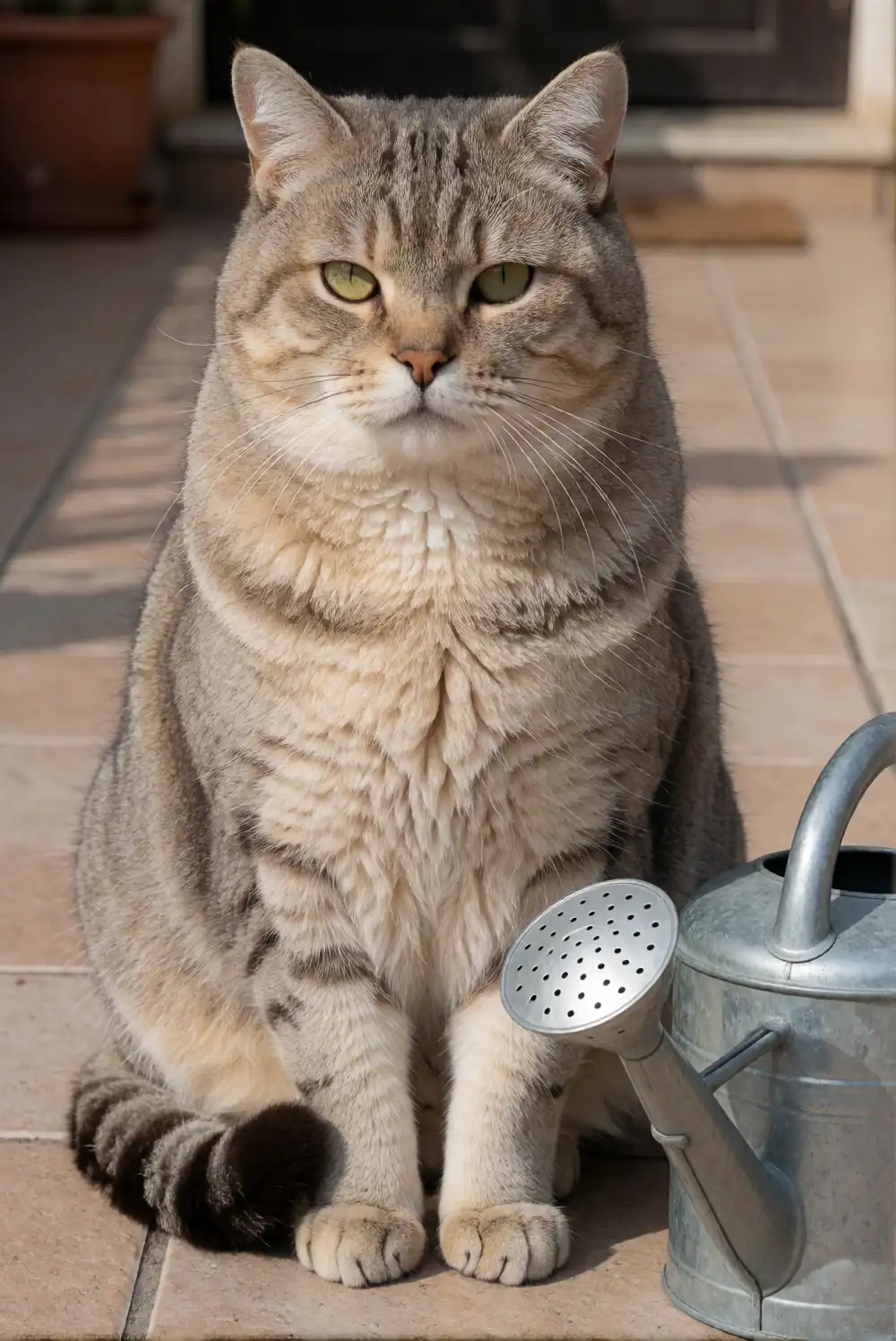
One of the defining features of the Kurilian Bobtail is its short, stubby tail, which resembles a pom-pom and can measure just a few inches long. Their medium-sized, robust bodies are muscular and well-proportioned. Typically, they weigh between 7 to 12 pounds, with males being slightly larger than females.
Kurilian Bobtails boast a variety of coat colors and patterns, including tabby, solid, and bicolor. Their fur can be semi-long or short, with a soft texture that makes them irresistibly cuddly. Their expressive, almond-shaped eyes can be green, gold, or copper, adding to their charming appearance.
Temperament and Personality
Known for their friendly and sociable nature, Kurilian Bobtails are often described as dog-like in their loyalty and affection. They thrive on human interaction and enjoy being part of family activities. Their playful demeanor makes them excellent companions for children and other pets.
These cats are also known for their intelligence, often solving puzzles and engaging in play that challenges their minds. Additionally, Kurilian Bobtails are known to be quite vocal, utilizing a range of sounds to communicate their feelings and needs.
Health and Lifespan
The Kurilian Bobtail is generally a healthy breed with a lifespan ranging from 12 to 15 years. However, like all breeds, they may be prone to certain health issues. Regular veterinary check-ups and a balanced diet can help ensure their well-being.
Some hereditary conditions that have been observed in the Kurilian Bobtail include hip dysplasia and certain heart diseases. Responsible breeding practices can help minimize these risks, so it’s essential to choose a reputable breeder.
Grooming Needs
Grooming a Kurilian Bobtail depends on the length and type of their coat. For those with semi-long hair, regular brushing is recommended to prevent matting and to keep their fur looking healthy. Short-haired variants require less frequent grooming, but a good brush once a week can help remove loose hairs and reduce shedding.
In addition to brushing, it’s important to maintain their dental hygiene, trim their nails regularly, and check their ears for any signs of infection. Establishing a grooming routine early on can help your Kurilian Bobtail become accustomed to these practices.
Diet and Nutrition
Providing a balanced diet is crucial for the health of your Kurilian Bobtail. High-quality cat food, either dry or wet, should be the primary component of their diet. Look for food that lists meat as the first ingredient and is appropriate for their age, size, and activity level.
It’s also important to monitor their weight, as Kurilian Bobtails can be prone to obesity. Regular feeding schedules and healthy treats will help keep them in optimal shape. Always consult with your veterinarian for tailored dietary advice.
Training and Socialization
Training a Kurilian Bobtail can be a rewarding experience, as they are intelligent and eager to please. Start with basic commands and gradually introduce more complex tricks as they learn. Positive reinforcement, such as treats and praise, works best for this breed.
Socialization is equally important, particularly when they are young. Exposing your Kurilian Bobtail to a variety of people, pets, and environments can help them grow up to be well-adjusted and confident adults.
Finding a Kurilian Bobtail
If you’re considering adding a Kurilian Bobtail to your family, it's essential to find a responsible breeder who prioritizes health and temperament. Always ask about health screenings and the kitten’s lineage. You can also browse available kittens on CatHatch to find your perfect companion.
Additionally, consider adopting from rescue organizations that specialize in this breed. There are often Kurilian Bobtails in need of loving homes, and adopting can be a fulfilling option.
Conclusion
The Kurilian Bobtail is a captivating breed known for its charming personality and unique appearance. Their affectionate nature makes them wonderful companions for families and individuals alike. By understanding their needs and characteristics, you can provide a loving home for a Kurilian Bobtail that will thrive for years to come.
Frequently Asked Questions
What is the average lifespan of a Kurilian Bobtail?
The average lifespan of a Kurilian Bobtail is between 12 to 15 years, depending on their health and care.
Are Kurilian Bobtails good with children?
Yes, Kurilian Bobtails are known for their friendly and sociable nature, making them great companions for children.
How much does a Kurilian Bobtail cost?
The price of a Kurilian Bobtail typically ranges from $800 to $2,000, depending on the breeder and lineage.
Do Kurilian Bobtails require a lot of grooming?
Grooming needs vary by coat type, but generally, Kurilian Bobtails require regular brushing, especially if they have semi-long hair.
What health issues are common in Kurilian Bobtails?
Kurilian Bobtails can be prone to hip dysplasia and certain heart diseases, so regular veterinary check-ups are important.
Ready to Find Your Kitten?
Browse available kittens from verified breeders across the USA.