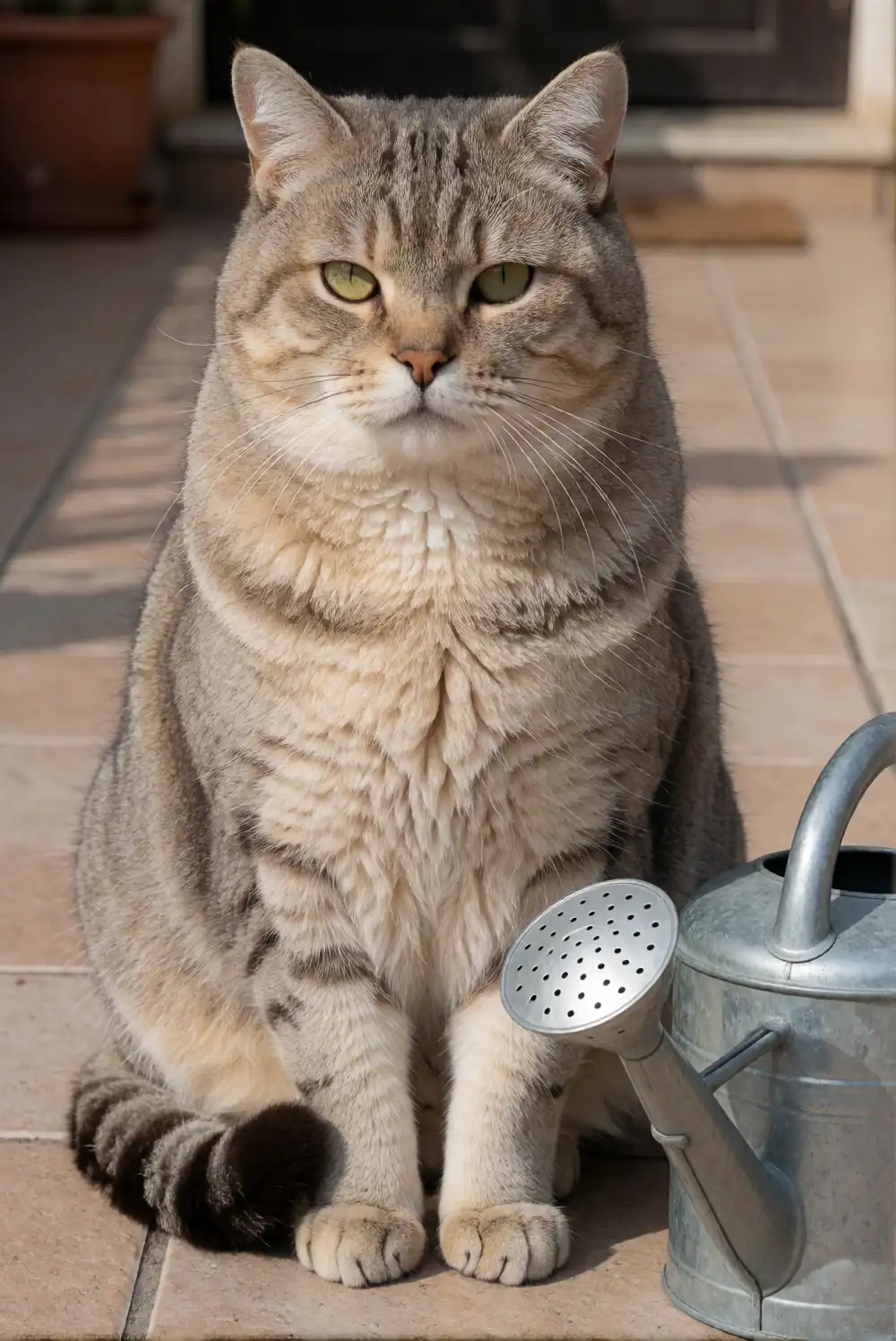
Himalayan Cat Breed: The Complete Guide for 2026

Overview of the Himalayan Cat
The Himalayan cat, often affectionately called the 'Himmie,' is a beautiful breed known for its striking blue eyes and luxurious long coat. This breed is a cross between the Persian and the Siamese, combining the best features of both. With a gentle disposition and affectionate nature, Himalayan cats make wonderful companions for families and individuals alike.
Himalayans are medium to large-sized cats, typically weighing between 7 to 12 pounds. Their soft, fluffy coats come in a variety of color points, which add to their charm. With their distinctive looks and playful personalities, it's no wonder that Himalayan cats are highly sought after by cat lovers.
Appearance and Coat
The most notable feature of the Himalayan cat is its long, luxurious coat, which requires regular grooming to prevent matting. Their fur is soft, silky, and dense, making them incredibly cuddly. They have a rounded face, short muzzle, and large, expressive blue eyes that give them an endearing appearance.
Color points on their ears, face, paws, and tail can range from cream to chocolate, lilac, and blue, among others. The contrast between their creamy body and darker points is what makes the Himalayan cat so visually stunning.
Temperament and Behavior
Despite their laid-back nature, Himalayans can have playful moments. They enjoy interactive play and can be quite curious about their surroundings. Providing them with toys and engaging playtime will keep them happy and stimulated.
Health Considerations
Like all breeds, Himalayan cats are prone to certain health issues. Common concerns include respiratory problems due to their brachycephalic (flat) face, dental issues, and potential eye conditions. Regular veterinary check-ups are essential for maintaining their health.
It's important to ensure that your Himalayan cat maintains a healthy weight, as obesity can lead to further health complications. A balanced diet, regular exercise, and monitoring their overall well-being will help keep your Himmie in top shape.
Grooming Needs
The grooming needs of a Himalayan cat are more intense than many other breeds due to their long fur. Daily brushing is recommended to prevent matting and reduce shedding. It’s advisable to use a wide-toothed comb to gently detangle any knots.
Regular baths can also help keep their coat clean and shiny. Additionally, regular nail trimming and dental care are important aspects of grooming that should not be neglected.
Diet and Nutrition
Feeding your Himalayan cat a high-quality diet is crucial for their health and coat quality. Look for cat food that lists real meat as the first ingredient and avoids fillers like corn and wheat. Depending on their age and activity level, the caloric needs may vary.
Additionally, providing fresh water at all times is essential. Some owners even opt for wet food to help with hydration, especially in the case of older Himalayans who may be prone to kidney issues.
Training Tips
While Himalayans are generally easygoing, they can be a bit stubborn when it comes to training. Start with basic commands and use positive reinforcement techniques, such as treats and praise, to encourage good behavior.
Socialization from a young age is also important. Exposing your Himalayan to different environments, people, and pets will help them become well-adjusted adults.
Finding a Himalayan Cat
If you're considering bringing a Himalayan cat into your home, it's important to find a reputable breeder. Look for breeders who prioritize health testing and offer a guarantee regarding the health of the kittens. Make sure to ask about the kitten’s socialization and upbringing.
At CatHatch, you can browse available Himalayan kittens from ethical breeders and find the perfect addition to your family.
Himalayan Cat Price Range
The price of a Himalayan cat can vary significantly based on factors like breeder reputation, location, and the cat's lineage. On average, you can expect to pay between $1,000 and $2,500 for a purebred Himalayan kitten.
Remember that the initial price is just one part of the total cost of ownership, which includes food, grooming, and veterinary care throughout their lives.
Living Environment
Himalayan cats adapt well to different living environments, including apartments and houses. However, they do appreciate a calm and loving atmosphere. Creating a safe space with cozy spots for them to curl up and play will help them feel at home.
Although they can live indoors, it’s important to provide stimulation through toys and interactive play, as well as access to safe window perches to enjoy the outdoors without direct exposure.
Socialization and Companionship
Himalayans are social creatures who thrive on companionship. If you work long hours, consider adopting two cats so they can keep each other company. They generally get along well with other pets, especially if introduced properly.
Make sure to spend quality time with your Himalayan, as their affectionate nature means they will seek your company and thrive on your attention.
Conclusion
The Himalayan cat is a stunning and gentle breed that makes a wonderful companion for many households. With their unique looks and loving personalities, they can bring joy to your home. If you're ready for the commitment, exploring Himalayan kittens available on CatHatch could lead you to your new furry friend.
Frequently Asked Questions
What is the lifespan of a Himalayan cat?
The average lifespan of a Himalayan cat ranges from 12 to 15 years, although with proper care, some can live even longer.
How much grooming do Himalayan cats need?
Himalayan cats require daily grooming due to their long, thick coats. Regular brushing helps prevent matting and keeps their fur healthy.
Are Himalayan cats good with children?
Yes, Himalayan cats are generally good with children and can be very affectionate. However, teaching children how to interact gently with them is essential.
Do Himalayan cats have health issues?
Like many purebreds, Himalayans can be prone to specific health issues, including respiratory problems and dental issues, so regular vet check-ups are important.
Can Himalayan cats be left alone?
While they can be left alone for short periods, Himalayans thrive on companionship. Long-term isolation is not ideal for their well-being.
Explore These Breeds
Ready to Find Your Kitten?
Browse available kittens from verified breeders across the USA.