Understanding the Domestic Cat's Temperament
Domestic cats, known for their enchanting personalities, can vary widely in temperament depending on their genetics and environment. On average, they are known to be affectionate, playful, and curious creatures. Each cat’s personality is also shaped by experiences, socialization, and individual preferences, making it essential for potential owners to understand what to expect.
Most domestic cats exhibit a blend of independence and sociability. This balance allows them to enjoy their alone time while also craving companionship, either from humans or other pets. Recognizing these traits is crucial in providing a fulfilling environment for your cat.
Common Personality Traits of Domestic Cats
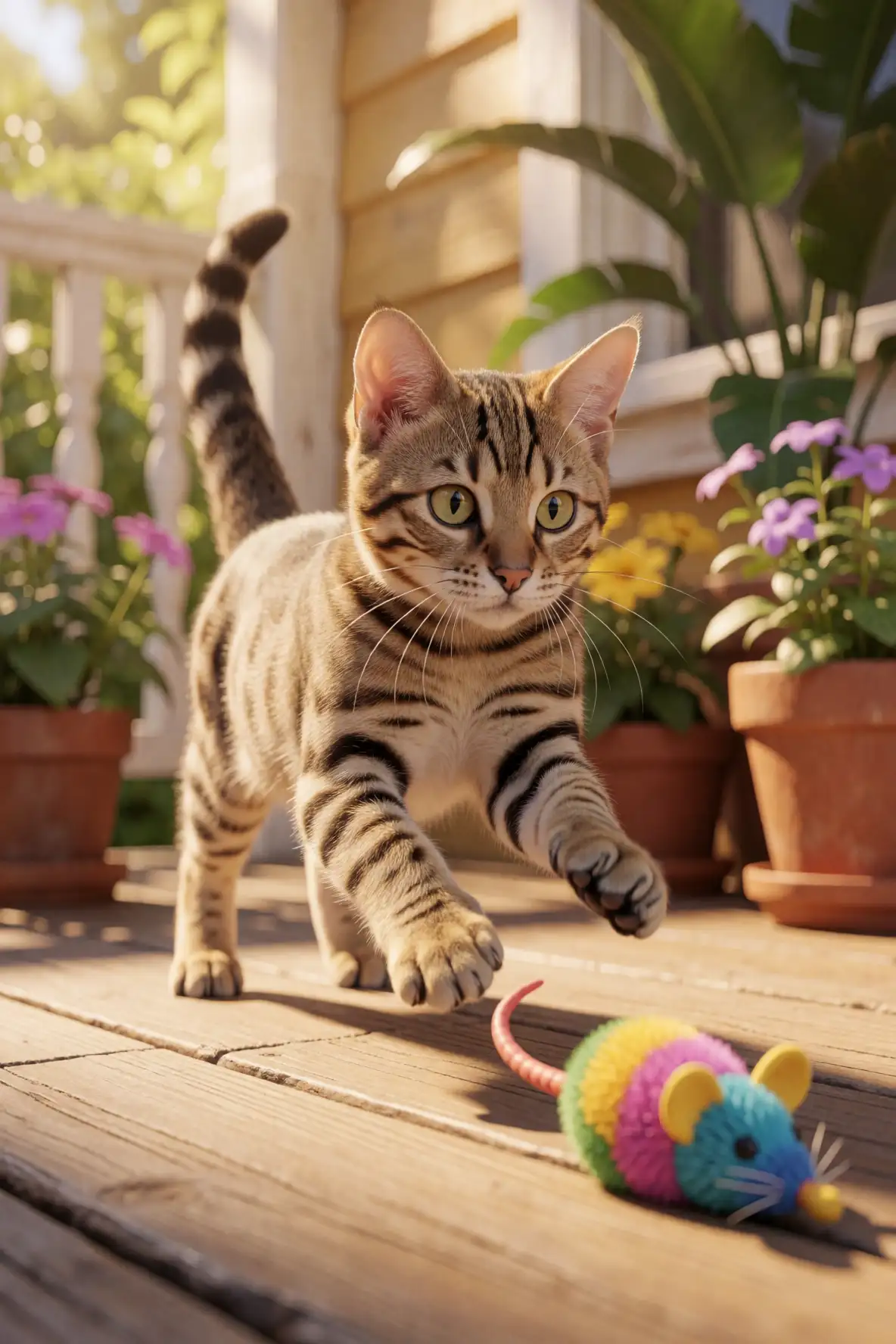
Domestic cats often display a variety of personality traits, including playfulness, curiosity, and affection. Playfulness is particularly evident in kittens, who are known to engage in spirited games of chase and pounce. This playfulness usually continues into adulthood, fostering a strong bond between cat and owner as they engage in interactive play.
Curiosity is another hallmark of domestic cat behavior, leading them to explore their surroundings thoroughly. This trait ensures they remain engaged and mentally stimulated, but it can also lead to mischief. Providing a safe environment while encouraging their natural inclinations is essential for their happiness.
Affectionate Nature of Domestic Cats
Many domestic cats are known for their affectionate behavior, often seeking out their owners for attention and companionship. They may rub against you, purr, or knead when feeling content. While some cats are more sociable and enjoy being held or cuddled, others may prefer to show affection from a distance.
Understanding your cat’s unique way of expressing affection is important. Some may enjoy gentle petting and brushing, while others may prefer snuggling up beside you without direct contact. Pay attention to their cues to foster a loving relationship.
Socialization and Its Impact on Behavior
Socialization plays a significant role in shaping a domestic cat's personality. Kittens that are exposed to various people, pets, and environments during their formative weeks are generally more adaptable and friendly. Early socialization fosters confidence and helps reduce anxiety in new situations.
Conversely, cats that are not adequately socialized may develop fearful or aggressive behaviors. It’s essential to introduce new experiences gradually and positively, ensuring that your cat feels safe and secure in their environment.
Understanding the Need for Independence
While domestic cats enjoy companionship, they are also known for their independent streak. This trait often leads to a cat’s desire for solitary play and exploration. Understanding this need for independence can help owners avoid misunderstandings, such as interpreting aloofness as disinterest.
Providing a safe space for your cat to retreat to when they need alone time is crucial. This approach ensures they feel secure while also allowing them the freedom to engage with their human companions when they choose.
Recognizing Signs of Stress or Anxiety
Domestic cats can experience stress and anxiety, which may manifest in changes to their behavior. Signs such as excessive grooming, hiding, or aggression can indicate that your cat is feeling overwhelmed. It’s essential for owners to be observant and responsive to these signs to ensure their feline friend remains happy and healthy.
Creating a calming environment with places for them to hide and relax, along with stimulating toys, can help alleviate stress. Regular playtime and routine can also provide comfort and stability for your cat.
Training and Behavior Management
Training a domestic cat can significantly enhance their personality and behavior. Basic commands, litter box training, and socialization techniques can be implemented to create a well-adjusted cat. Positive reinforcement methods, such as treats and praise, work well with cats to encourage desired behaviors.
Consistency is key in training. Establishing routines can help your cat understand expectations, making them feel more secure and reducing anxiety. Owners can explore various training resources to ensure they are equipped to handle their cat’s behavior effectively.
Enriching Your Cat's Environment
An enriched environment can positively influence the temperament of domestic cats. Providing climbing trees, scratching posts, and interactive toys can stimulate their natural instincts and keep them engaged. This stimulation is essential for their mental and physical health.
Additionally, creating vertical spaces with shelves or cat trees allows them to explore their surroundings from different heights, which can be comforting and entertaining. The more engaging their environment, the more likely they are to exhibit positive behaviors.
Health Considerations for Domestic Cats
The well-being of a domestic cat significantly affects its personality and temperament. Regular veterinary check-ups are vital for ensuring your cat is healthy and free from pain, which can influence behavior drastically. Addressing health issues promptly can prevent behavioral problems linked to discomfort.
Nutrition also plays a critical role in a cat's overall health and temperament. A balanced diet tailored to your cat's age, weight, and health needs will support their vitality and emotional well-being. Consult your veterinarian for dietary recommendations suitable for your furry friend.
Building a Strong Bond with Your Cat
To foster a strong bond with your domestic cat, spend quality time engaging in activities they enjoy. Whether it's playtime, petting sessions, or simply lounging together, these moments reinforce your connection. Understanding their likes and dislikes is essential in building trust and familiarity.
It’s also helpful to respect your cat's space and let them choose when to engage. This respect will make them feel empowered and strengthen your relationship over time. Remember, a happy cat leads to a happy home.
Final Thoughts on Domestic Cat Personalities
Every domestic cat has a unique personality, influenced by breed, environment, and experiences. Being aware of these traits can help potential and current cat owners better understand and nurture their feline companions. By embracing their individual personalities and providing a loving, stimulating environment, you can ensure a fulfilling life for your cat.
Frequently Asked Questions
What is the typical temperament of a domestic cat?
The typical temperament of a domestic cat includes a mix of independence and affection. Most cats enjoy interacting with their owners but also appreciate their alone time.
How can I improve my cat's temperament?
Improving your cat's temperament can be achieved through socialization, training, and providing an enriched environment filled with engaging activities and safe spaces.
Are domestic cats more affectionate than other breeds?
Affection levels can vary by breed and individual cat, but many domestic cats are known for their loving nature and desire for companionship.
What should I do if my cat shows signs of stress?
If your cat shows signs of stress, assess their environment and routines. Create safe spaces and provide mental stimulation to help alleviate their anxiety.
Can I train my domestic cat?
Yes, domestic cats can be trained! Using positive reinforcement techniques will encourage desired behaviors and strengthen your bond.