A Burmese cat who follows you from room to room, asks for attention, and turns a quiet evening into playtime is often showing typical breed behavior. Burmese cats are notably people-oriented and lively, but recognizing what’s normal for your individual cat—and what deserves attention—can help you spot stress or illness early.
Why Burmese Cats Are So Social
Burmese cats are known for forming close bonds with their families. Many like to be involved in everyday activities, curl up nearby, or trail a favorite person around the home. This need for company is part of their reputation, not a sign that your cat is being deliberately demanding. Still, personalities vary, and even a sociable Burmese may want some quiet time.
They can also be more vocal than some breeds. A Burmese may chirp, meow, or use other sounds to greet you and request food, play, or attention. Their voices are generally less intense than the famously loud Siamese voice, but a sudden increase in vocalizing—or a sound that seems distressed—shouldn’t be dismissed as simply “being Burmese.”
Playfulness, Curiosity, and Climbing
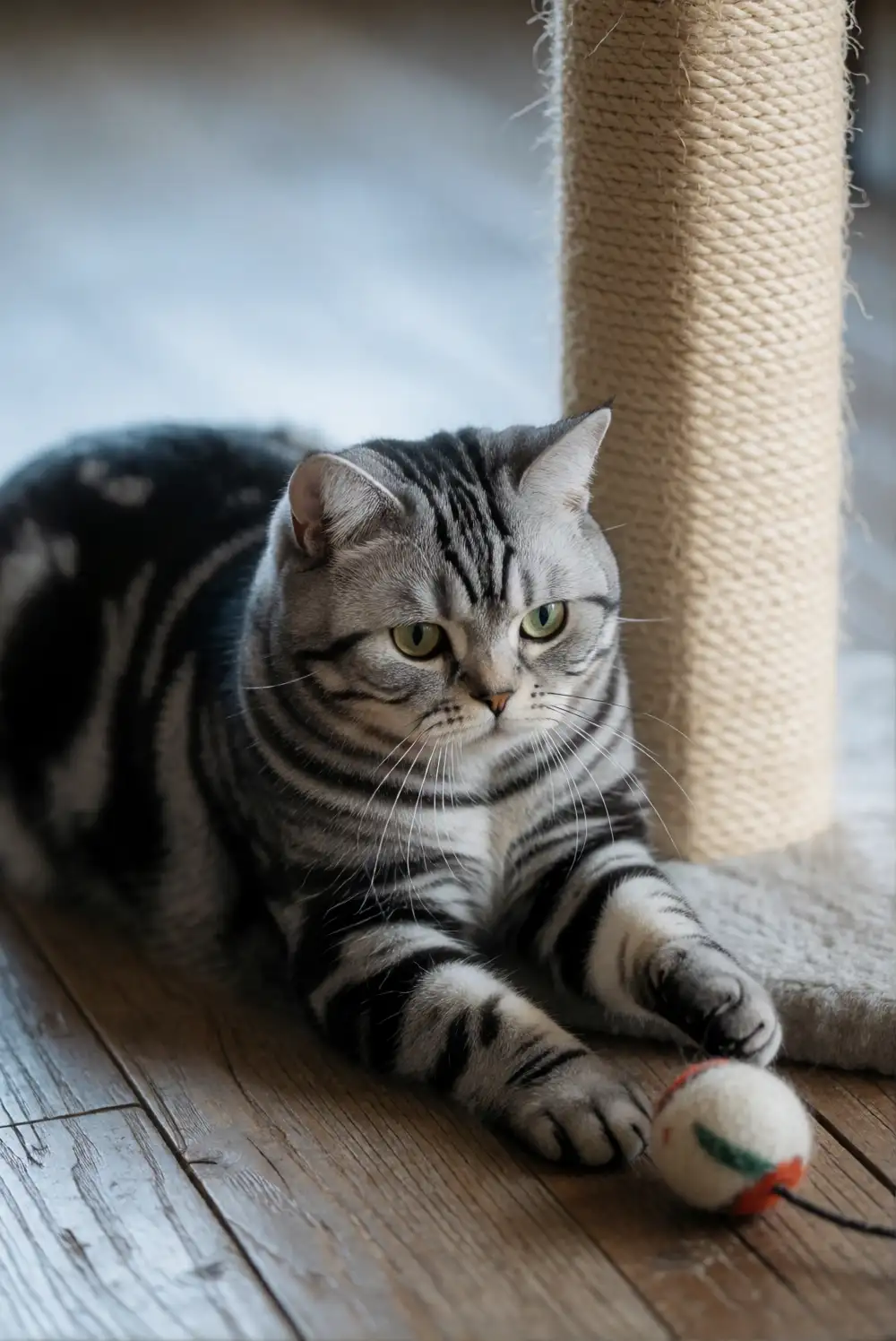
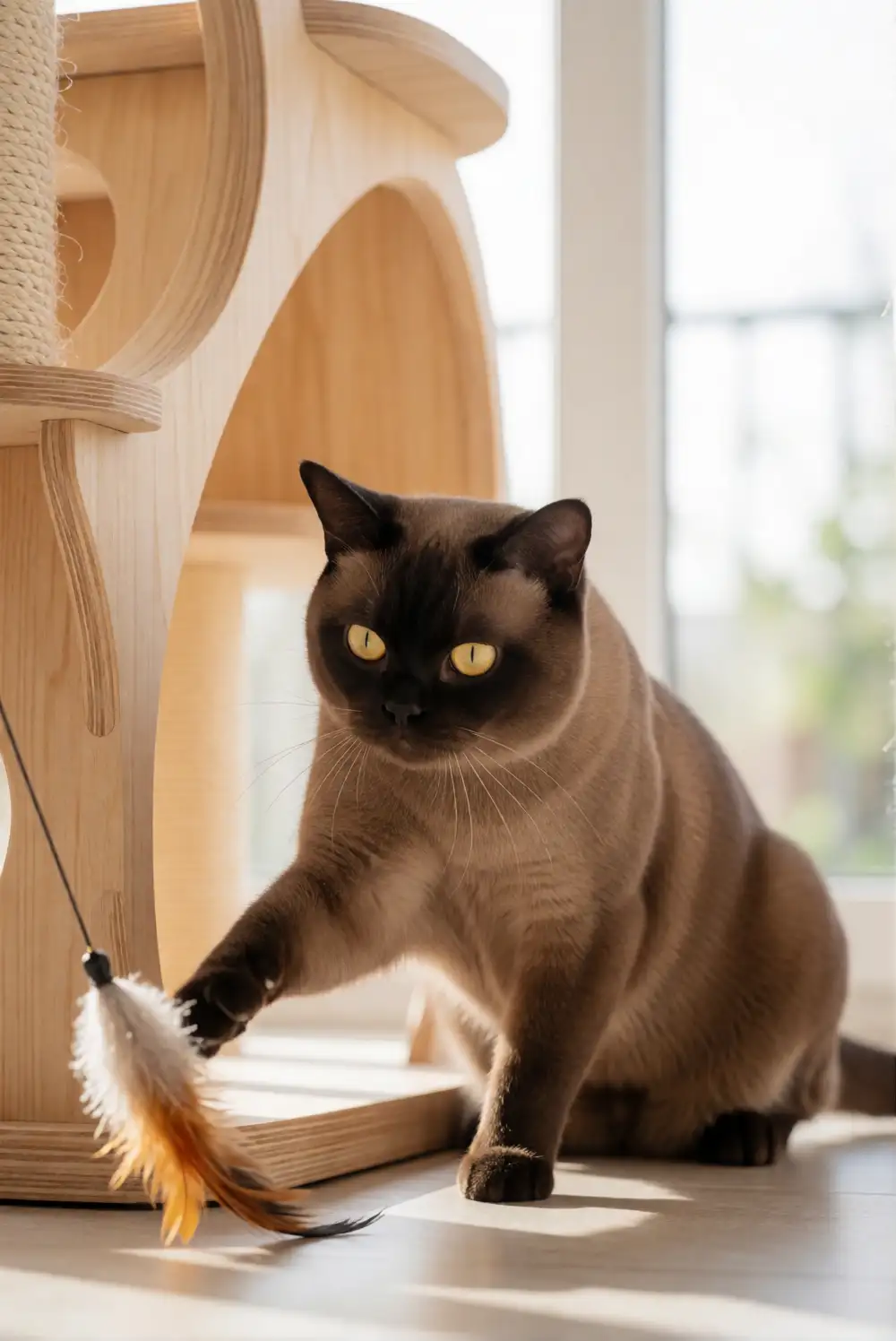
Burmese cats often stay playful well into adulthood. Chasing a wand toy, batting a ball, investigating a newly opened cupboard, or learning a simple game can all be normal outlets for their energy and curiosity. A cat who brings a toy back may be inviting you to keep playing; reward the interaction with a short, engaging game rather than expecting independent play to meet every need.
Give your Burmese safe ways to climb, scratch, and explore. A sturdy cat tree, scratching surfaces, puzzle feeders, and toys rotated every few days can help keep an active mind busy. Schedule a few brief play sessions daily, especially before meals or at times your cat tends to seek attention. People considering the breed can browse available kittens and breeders on CatHatch, then ask how a kitten’s activity level compares with its littermates.
When Attention-Seeking Becomes a Concern
Following you or asking for interaction is usually ordinary Burmese behavior. However, persistent distress when left alone, destructive behavior, overgrooming, or repeated, frantic vocalizing can suggest that your cat is struggling. These signs may relate to boredom, changes at home, separation-related stress, or a health problem; they are not a reason to punish your cat.
Build independence gradually by making resting spots, food puzzles, and safe toys available while you’re home, then practice brief departures and calm returns. Avoid leaving string, ribbons, or small objects that could be swallowed. If the behavior is intense, worsening, or interfering with daily life, discuss it with your veterinarian or a qualified behavior professional. Another pet is not an automatic fix; introductions and companionship needs depend on the cats involved.
Body Language and Social Boundaries
A relaxed Burmese may approach with a loose posture, upright tail, and soft eyes. Rubbing against you or settling close can be a friendly invitation, while flattened ears, a tense body, a swishing tail, or an attempt to move away signals that your cat needs space. Even an affectionate cat can become overstimulated by prolonged petting. Pause regularly and let your cat choose whether to continue.
Playful pouncing and gentle mouthing can happen, particularly in young cats, but hands and feet shouldn’t become toys. Redirect biting or ambushing toward a wand toy, and end play calmly if your cat becomes too excited. Never hit, yell at, or spray a cat; punishment can increase fear without teaching the behavior you want.
Changes That Aren’t “Just the Breed”
A sudden personality shift deserves attention. Hiding, irritability, avoiding touch, reduced play, appetite changes, house-soiling, or a new pattern of excessive vocalizing can be linked to pain, illness, or stress. Burmese cats can be affectionate and energetic, but those traits should not be used to explain away a meaningful change from your cat’s usual habits.
Arrange a veterinary check if unusual behavior persists, appears suddenly, or occurs with changes in eating, drinking, urination, mobility, or grooming. Seek prompt advice for straining to urinate, breathing difficulty, collapse, or other urgent symptoms. Keep notes on when the behavior began and what happens before it; details can help your veterinarian identify the cause.
Frequently Asked Questions
Are Burmese cats very affectionate?
Many Burmese cats are notably affectionate and enjoy being near their people. Individual cats differ, so offer attention while respecting signals that your cat wants a break.
Are Burmese cats more vocal than other cats?
Burmese cats often communicate with meows and chirps, though they’re not all equally talkative. A sudden or distressed change in vocalizing is worth discussing with a veterinarian.
Can Burmese cats be left alone during the day?
Many can manage a regular workday if they have a safe, enriched environment and reliable attention before and after. If your cat shows distress when alone, ask your veterinarian for guidance rather than assuming another cat is the answer.
Why does my Burmese cat follow me everywhere?
Burmese cats often enjoy company and want to take part in household routines. If the following is new or accompanied by clinginess, restlessness, or other changes, consider stress or a health issue.
How do I stop my Burmese cat from biting during play?
Keep hands and feet out of play and redirect your cat to a wand toy or other suitable object. End the game calmly when biting starts, and reward gentle play; avoid physical punishment.