American Shorthairs are usually steady, adaptable cats: they enjoy company and play but often don’t need constant attention. Knowing their typical mix of independence, curiosity, and hunting instinct makes it easier to spot when a behavior is simply part of their personality—or a change worth addressing.
What Is Typical American Shorthair Behavior?
American Shorthairs are sturdy, muscular cats with a history as working mousers, and many still show a strong interest in watching, stalking, and chasing moving objects. They tend to be moderately active rather than relentlessly busy, alternating bursts of play with long naps. Individual cats vary, but a healthy adult often enjoys interaction on their own terms and can settle comfortably when the household is calm.
Many are affectionate without being demanding. An American Shorthair may follow family members, sit nearby, or ask for a pet, then choose a quiet spot to rest alone. They can adapt well to different homes, including family households, when introduced to people and other pets gradually. A cat that prefers nearby companionship to being carried or held isn’t necessarily unfriendly; respect their signals and let trust build.
Play, Hunting, and Everyday Energy
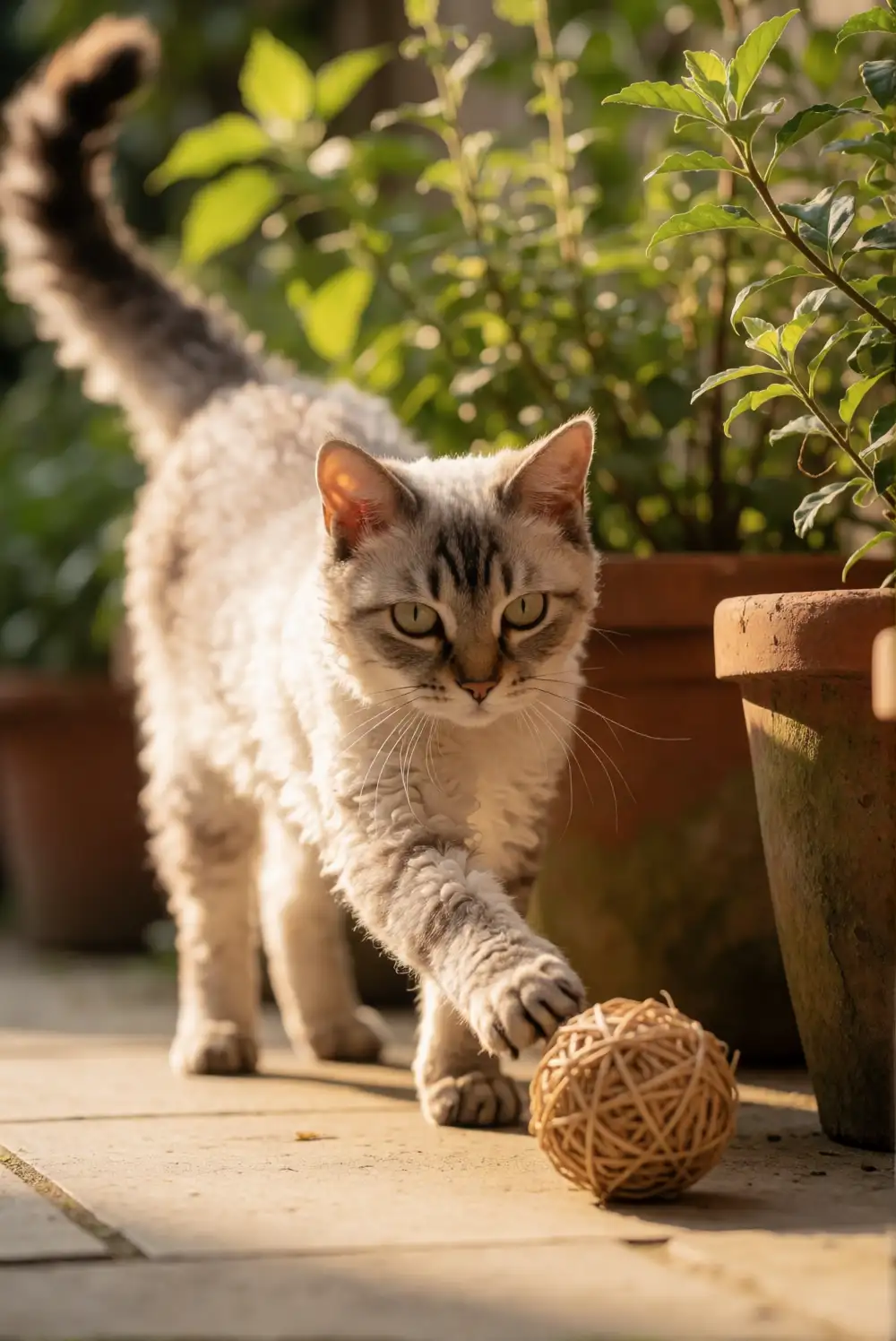
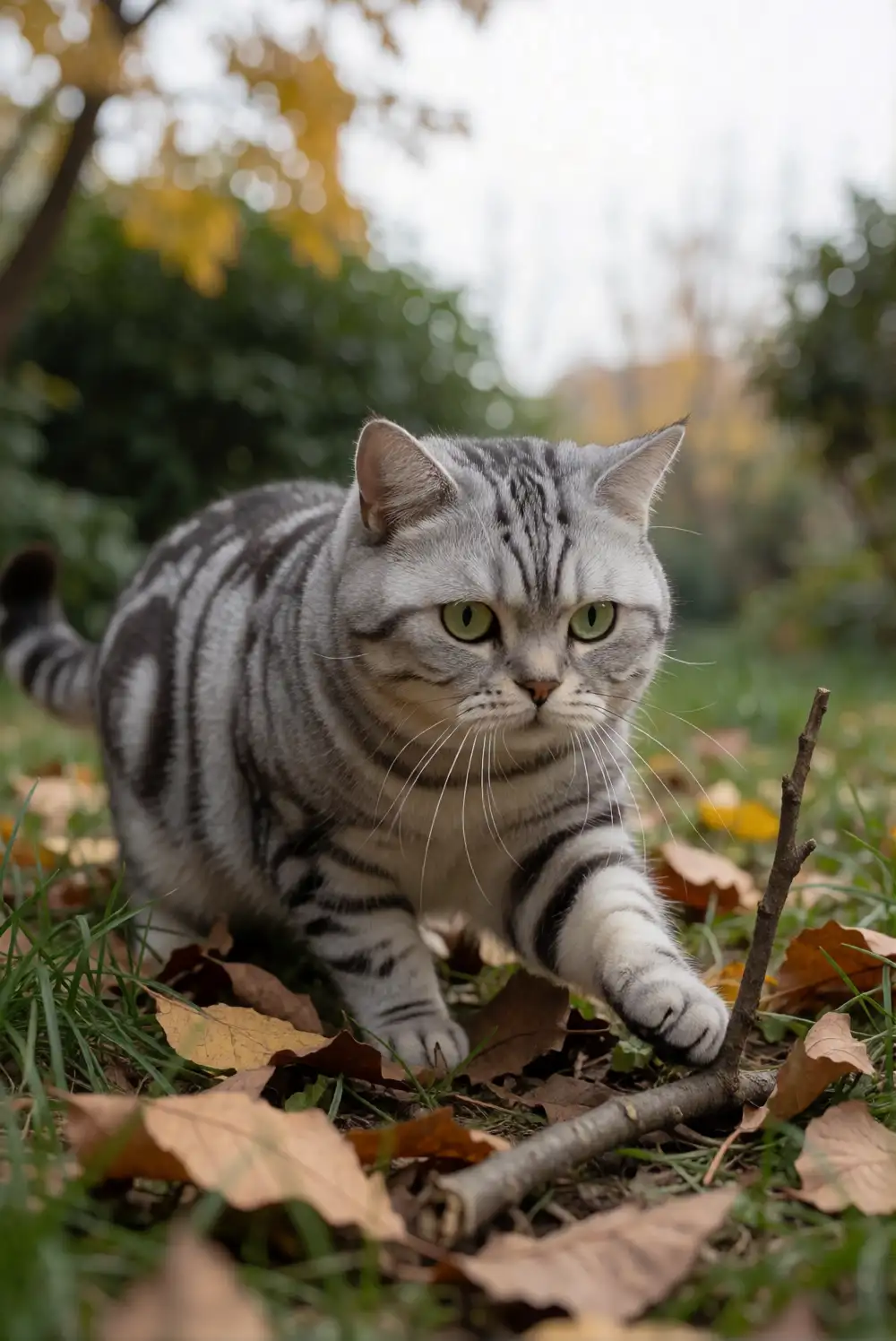
Chasing a toy, pouncing on a moving shadow, or keeping watch from a window can all reflect normal American Shorthair instincts. Offer short, interactive play sessions each day with a wand toy or something they can safely chase. Let your cat catch the toy sometimes, and put away string or wand toys when play ends so they can’t chew or swallow them unsupervised.
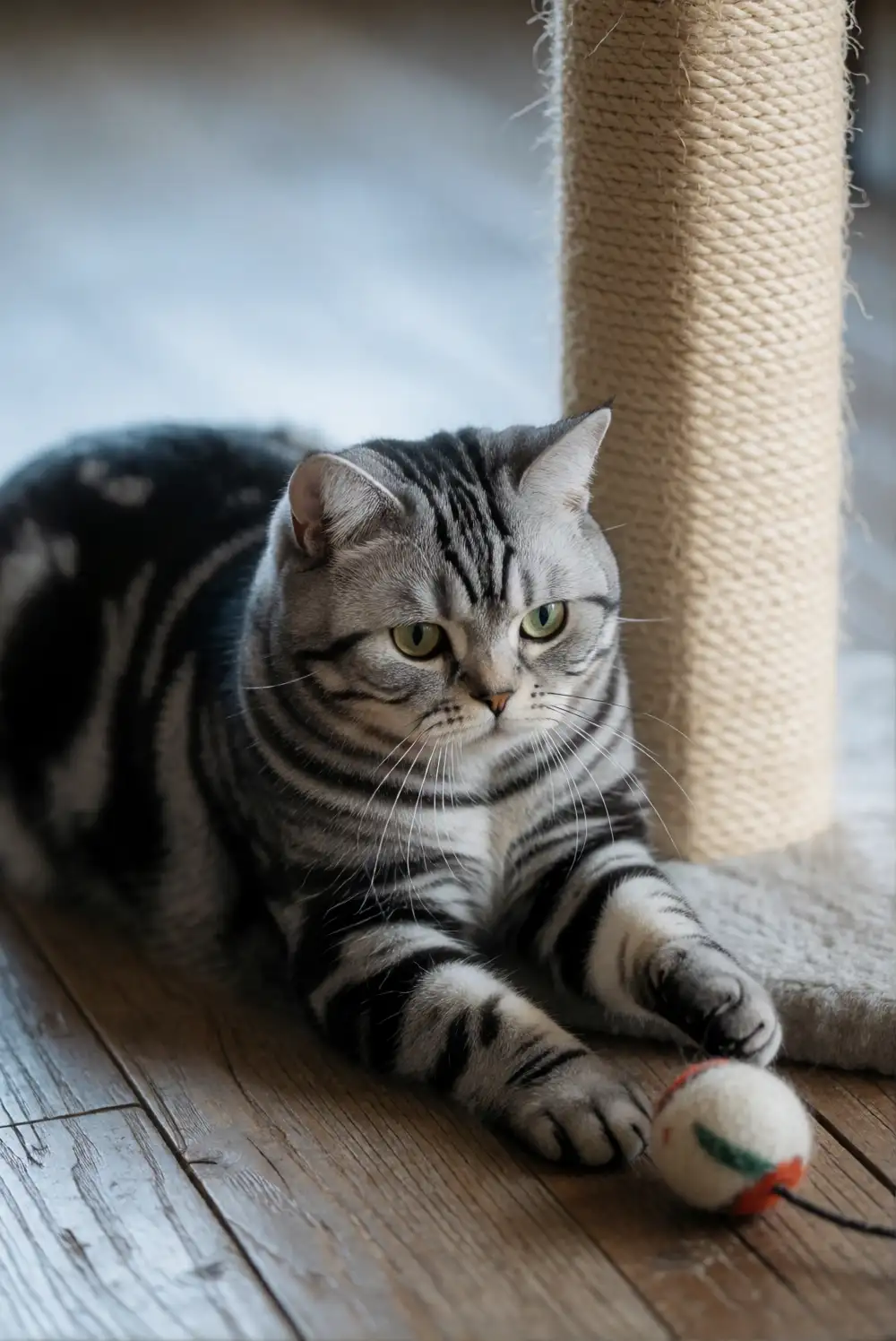
Food puzzles, sturdy scratching posts, and climbing or window-watching spots provide outlets when you’re busy. American Shorthairs are solidly built and can be prone to weight gain if food is plentiful and activity is limited, so use measured portions and include play in their routine. Avoid encouraging hand- or foot-chasing: redirect to a toy before the game becomes rough.
Social Habits and Cat Body Language
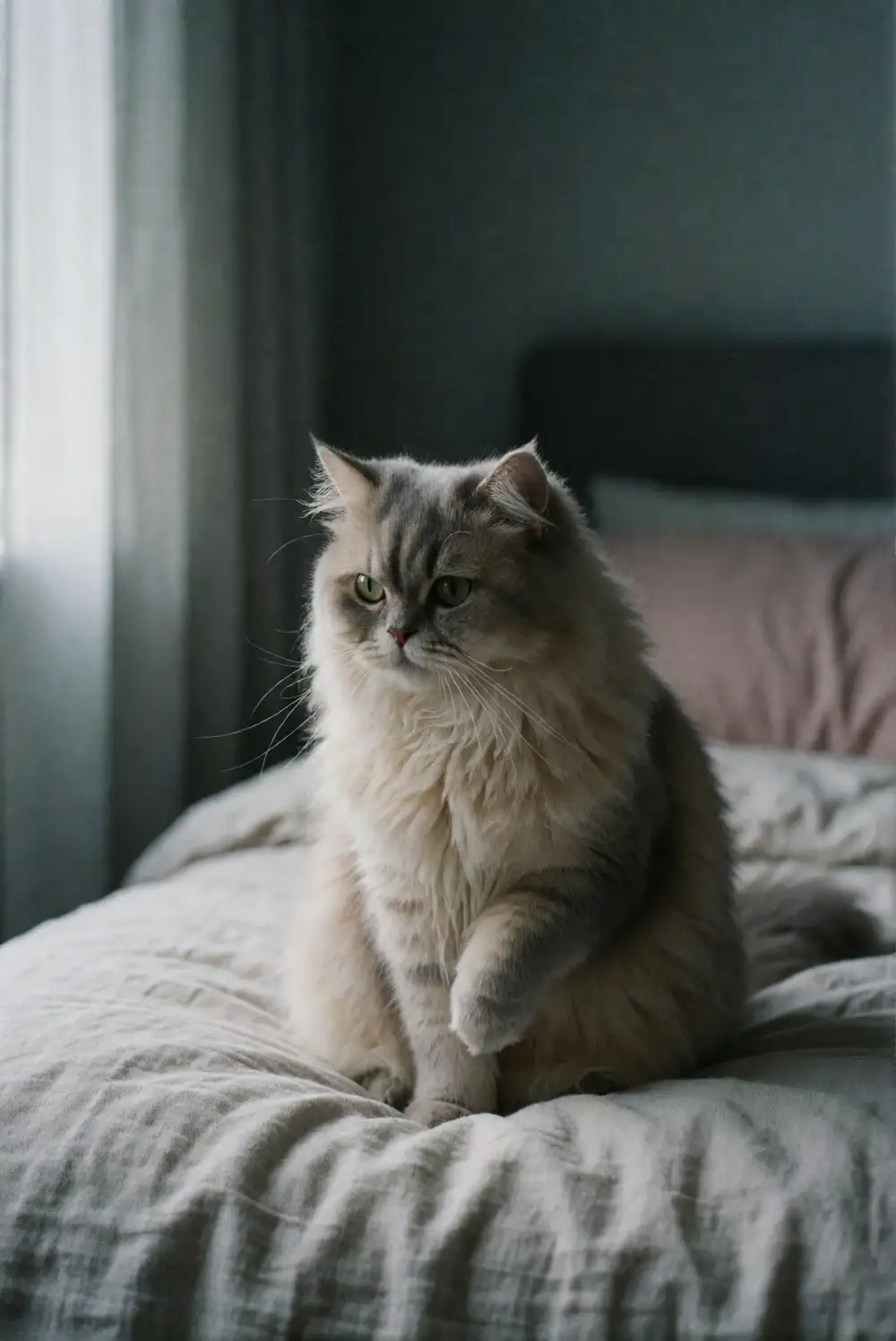
A relaxed American Shorthair may have soft eyes, a loose posture, and ears facing forward or slightly to the side. A gently swishing tail can mean focus or rising excitement, especially during play; it isn’t always an invitation to pet. A cat who turns away, flattens their ears, crouches, or flicks their tail sharply is asking for space. Pause interaction rather than reaching in to pick them up.
Some American Shorthairs are chatty, while others communicate mostly through posture, eye contact, and routine. Neither is a breed-wide rule. Changes in how often your cat seeks company, hides, vocalizes, or tolerates touch matter more than whether they match a supposed breed stereotype. Give new pets and visitors time to become familiar, and provide a retreat where your cat won’t be disturbed.
When a Behavior Change Is a Warning Sign
A sudden shift deserves attention even if the behavior seems small. Hiding more than usual, unusual irritability, loss of interest in play, repeated nighttime vocalizing, or a change in appetite may signal stress, pain, or illness. Urinating outside the litter box can have medical causes, so don’t assume it’s spite or respond with punishment. Contact your veterinarian, especially when the change is abrupt, persistent, or paired with other symptoms.
Seek prompt veterinary care for straining to urinate, repeated trips to the box with little or no urine, trouble breathing, or other signs of acute distress. If medical causes are ruled out but a serious behavior problem continues, ask your veterinarian about a qualified feline behavior professional. Keeping notes on when the behavior started and what happens around it can help guide the next steps.
How to Support a Well-Behaved American Shorthair
Build a predictable routine for meals, play, and quiet time, and make essential resources easy to reach. In a multi-cat home, provide separate food and water areas, clean litter boxes, scratching surfaces, and resting places so cats don’t have to compete. Reward behavior you want—such as using a scratching post—with play, praise, or a small treat. Punishment can make a cat fearful without teaching them what to do instead.
When bringing home an American Shorthair kitten, ask the breeder about the kitten’s socialization, daily routine, and individual temperament. CatHatch lets prospective owners browse available kittens and breeders as they learn what suits their household. Whether your cat is playful or reserved, gentle handling and appropriate outlets help them feel secure.
Frequently Asked Questions
Are American Shorthair cats affectionate?
Many enjoy spending time near their people and welcome affection, but they may not want to be held constantly. Personality and early experiences influence how each cat shows attachment.
Are American Shorthairs very active?
They’re generally playful and curious, with hunting instincts, but many balance activity with plenty of rest. Daily interactive play and enrichment help meet their needs.
Why is my American Shorthair suddenly hiding?
Hiding can follow a household change or a frightening experience, but it can also be a sign of pain or illness. If it is new, persistent, or accompanied by other changes, contact your veterinarian.
Do American Shorthair cats get along with other pets?
Some do well with other cats or dogs, especially when introductions are gradual and each pet has safe space. Compatibility depends on the individuals, not just the breed.
Why is my American Shorthair scratching furniture?
Scratching is normal and helps cats stretch and maintain their claws. Place a stable scratching post near the targeted furniture, reward its use, and avoid punishment.