Are Scottish Fold Cats Affectionate?
Many Scottish Fold cats are affectionate, people-oriented companions who enjoy staying near their families. They may follow you from room to room, settle beside you, or ask for gentle attention—but affection varies by individual, and a folded-ear cat is not automatically a lap cat.
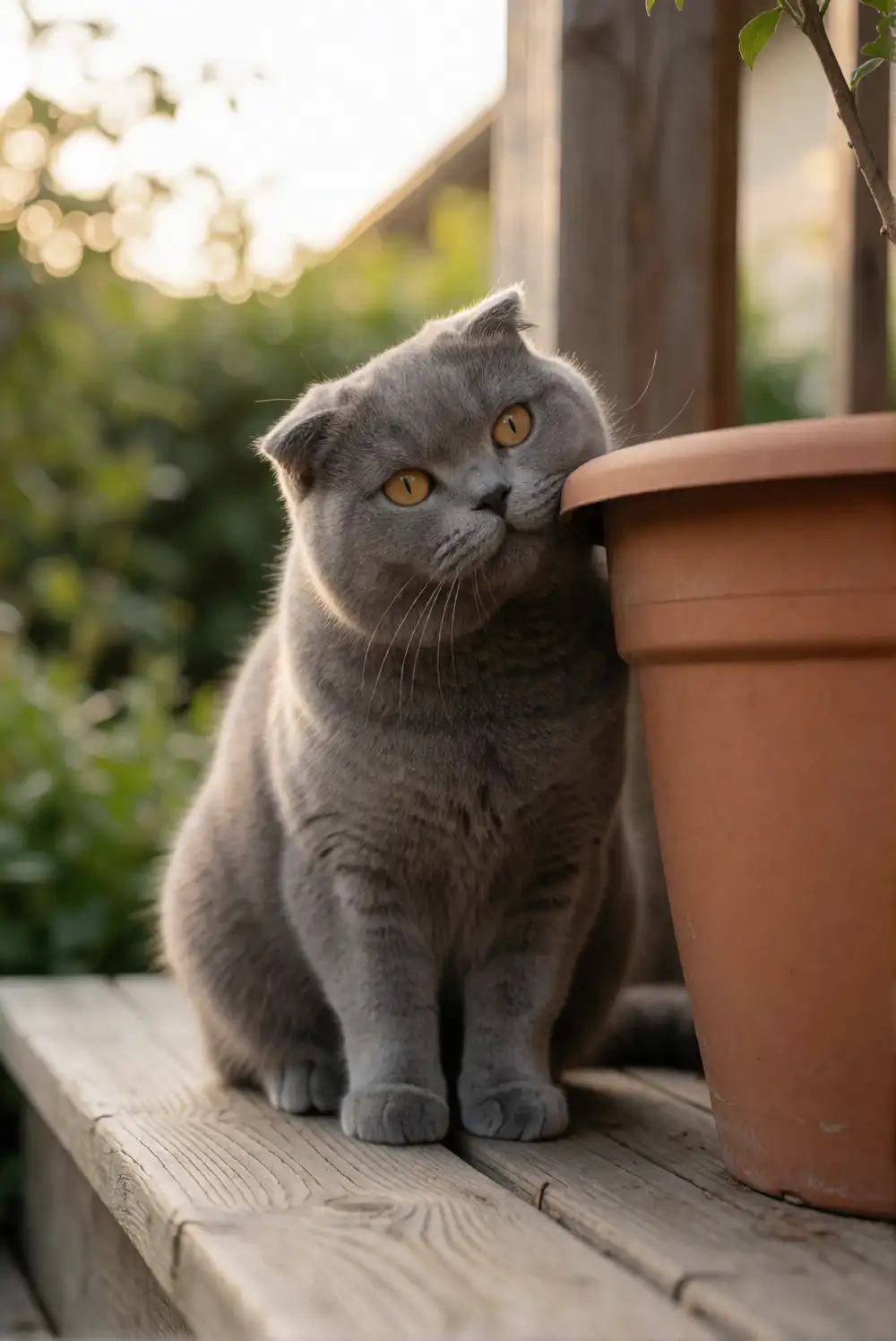
The breed is known for its rounded face, distinctive folded ears, and typically calm manner. Those traits can make a Scottish Fold seem especially sweet, but personality depends on more than appearance. Early experiences, health, and the way people handle a cat all influence how comfortable it feels showing affection.
How Scottish Fold Cats Show Affection
A Scottish Fold may express attachment quietly rather than demanding constant cuddles. Look for choosing to rest nearby, greeting you with an upright tail, rubbing its cheeks against your legs, or blinking slowly when you make relaxed eye contact. Some enjoy being petted or sitting on a lap; others prefer to share a room while keeping a little space.
Pay attention to the cat’s whole body, not just whether it stays close. A loose posture, relaxed ears, and willingness to re-engage suggest the interaction is welcome. Turning away, flattening the ears, flicking the tail, or moving off are signs to pause. Letting your cat choose when contact starts and stops builds trust more effectively than picking it up for cuddles.
What Shapes a Scottish Fold’s Temperament?
Scottish Folds are often described as gentle and adaptable, but those are tendencies, not guarantees. A kitten handled kindly and introduced gradually to ordinary household sounds may be more confident with people than one whose early experiences were stressful. Genetics, individual temperament, and the home environment matter, too. Even littermates can differ: one might greet visitors, while another takes time to warm up.
Consider activity level and social needs alongside affection. Many Scottish Folds enjoy interactive play and companionship, but they still need quiet places and periods of undisturbed rest. A predictable routine, short play sessions, climbing or scratching options, and a comfortable retreat help a cat feel secure. If you’re browsing Scottish Fold kittens or breeders on CatHatch, ask about the kitten’s socialization, health history, and how it responds to handling rather than choosing by ear shape alone.
Health Can Affect How Affectionate a Cat Seems
For Scottish Folds, a change in sociability deserves particular attention because the folded-ear trait is linked to osteochondrodysplasia, a disorder affecting cartilage and bone. Its severity varies, but affected cats may develop painful or stiff joints. Discomfort can make a cat withdraw, resist being touched or picked up, play less, or become irritable. Cats often hide pain, so subtle changes in behavior may be important clues.
Don’t assume that a cat sitting in an unusual position, moving less, or avoiding jumps is simply showing a breed quirk. Arrange a veterinary check if you notice stiffness, limping, reluctance to move, sensitivity around the limbs or tail, or a marked personality change. Scottish Folds also need routine preventive care, but a veterinarian should advise on any breed-specific monitoring and pain concerns.
The health issue also matters when considering where to find a cat. The folded ears come from a genetic mutation, so selecting a breeder cannot remove the underlying concern. Ask directly about veterinary records and breeding practices, and discuss welfare with a veterinarian or reputable rescue. Avoid supporting fold-to-fold breeding; if you’re open to another companion, a straight-eared cat may be a more welfare-conscious choice.
How to Build a Strong Bond With a Scottish Fold
Make affection an invitation. Sit nearby, speak calmly, and offer a hand for sniffing; let the cat approach instead of reaching over its head or restraining it. Keep petting brief at first, focusing on areas the cat enjoys, often around the cheeks or chin. Stop while the interaction is still pleasant, and give the cat an easy way to leave.
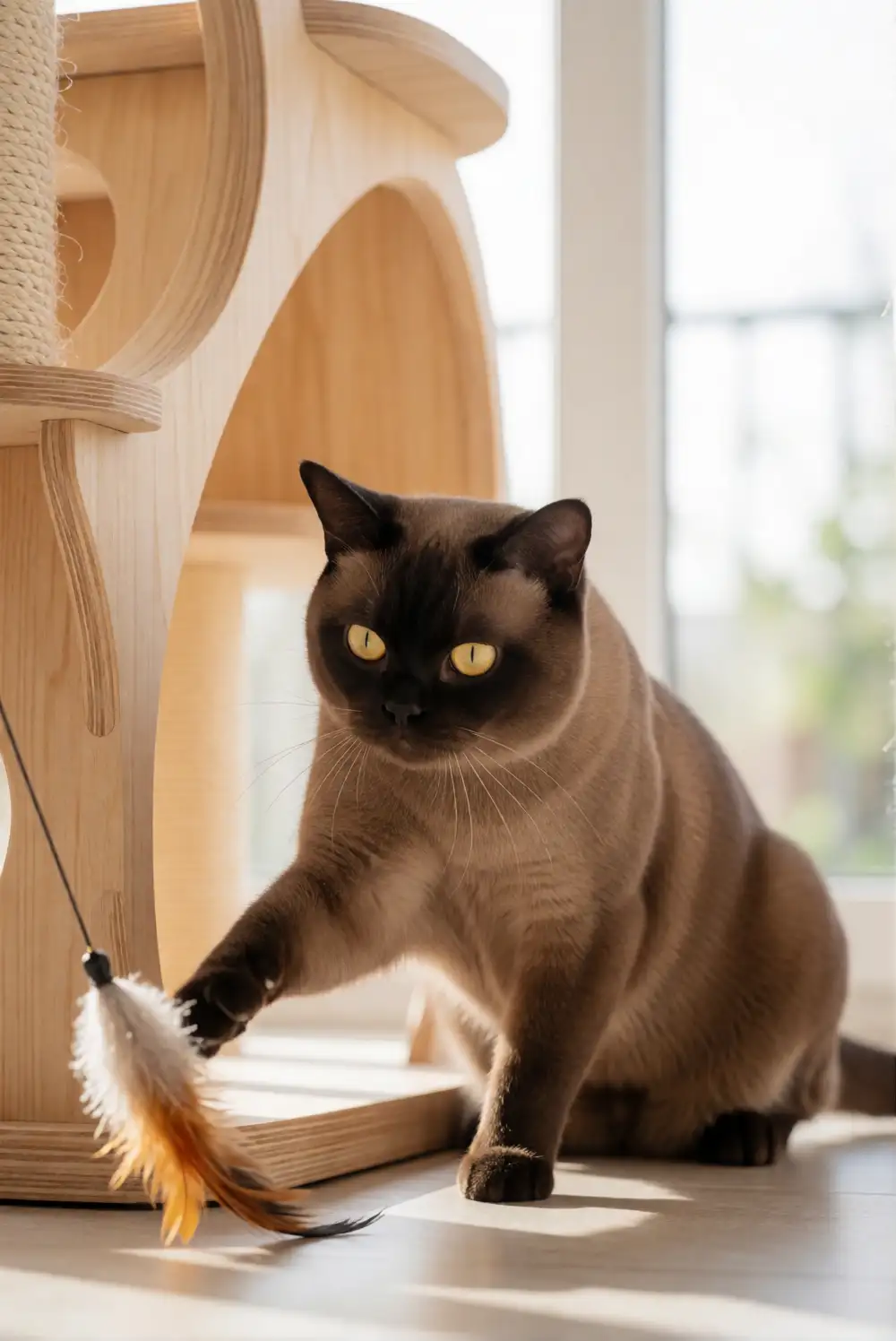
Play can strengthen your relationship without requiring a cat to enjoy being held. Use a wand toy to encourage short, low-impact play, and let your cat catch the toy at the end. Because joint discomfort may limit movement, avoid pushing a Scottish Fold to jump or chase and ask your vet what activity is appropriate. Offer affection on the cat’s terms, and watch for any new reluctance that could signal pain rather than a change in mood.
Frequently Asked Questions
Are Scottish Fold cats good lap cats?
Some enjoy laps, while others prefer sitting beside their person. Let the individual cat decide, and avoid holding it in place if it tries to leave.
Do Scottish Fold cats like being held?
It varies. Support a cat’s body if you need to lift it, keep the hold brief, and put it down when it shows discomfort or wants to move away.
Are Scottish Fold cats clingy?
Many enjoy being near their families, but that doesn’t mean every cat wants constant attention. Provide companionship alongside quiet spaces and independent activities.
Why has my Scottish Fold become less affectionate?
A change may reflect stress, a change at home, or discomfort. Since the breed can develop painful joint problems, contact your veterinarian if withdrawal or handling sensitivity is new or persistent.
Can you tell if a Scottish Fold kitten will be affectionate?
You can learn about its current behavior and early socialization, but no one can guarantee an adult personality. Ask the caregiver how the kitten responds to people and new experiences, and prioritize health and welfare over a particular temperament promise.