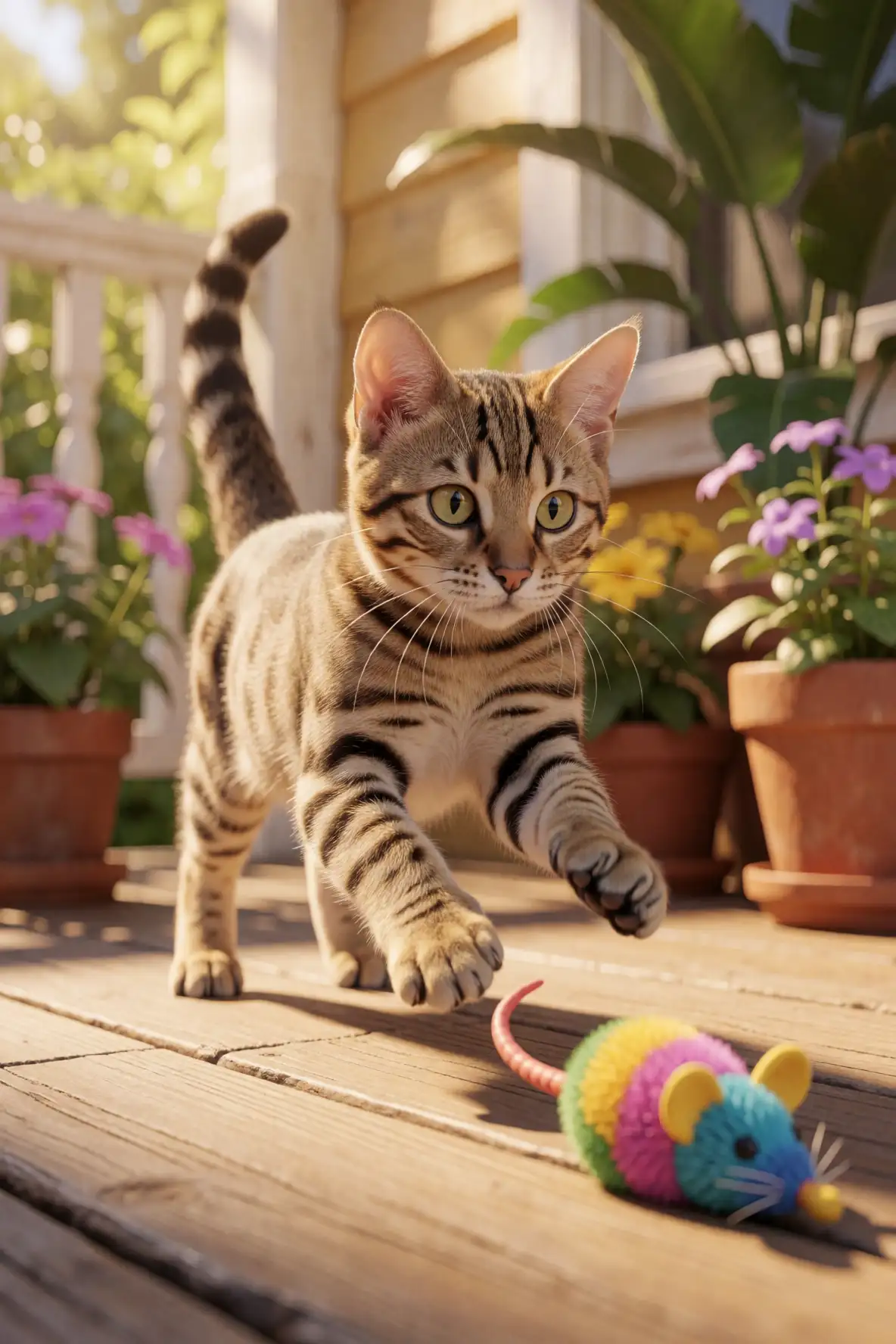
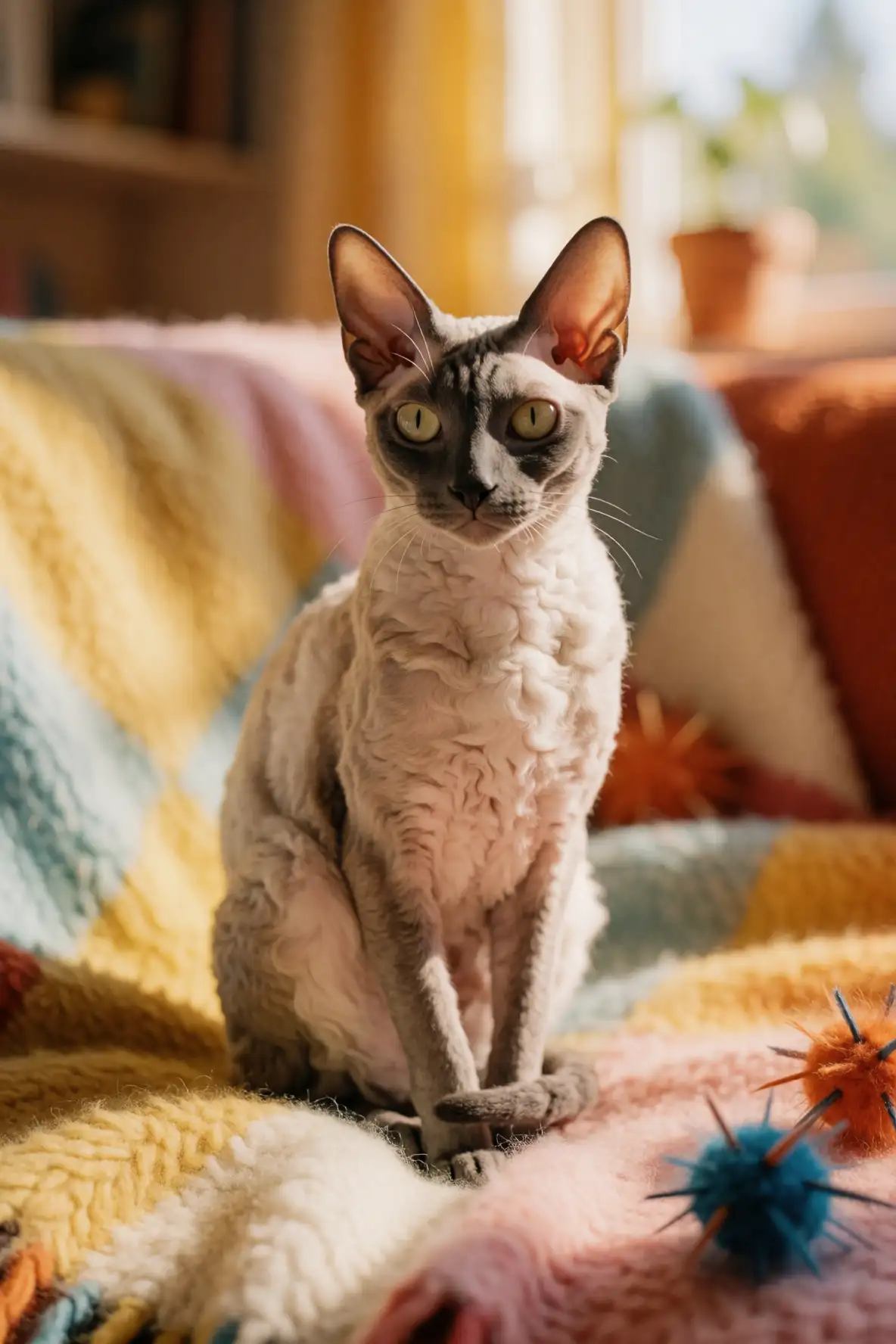
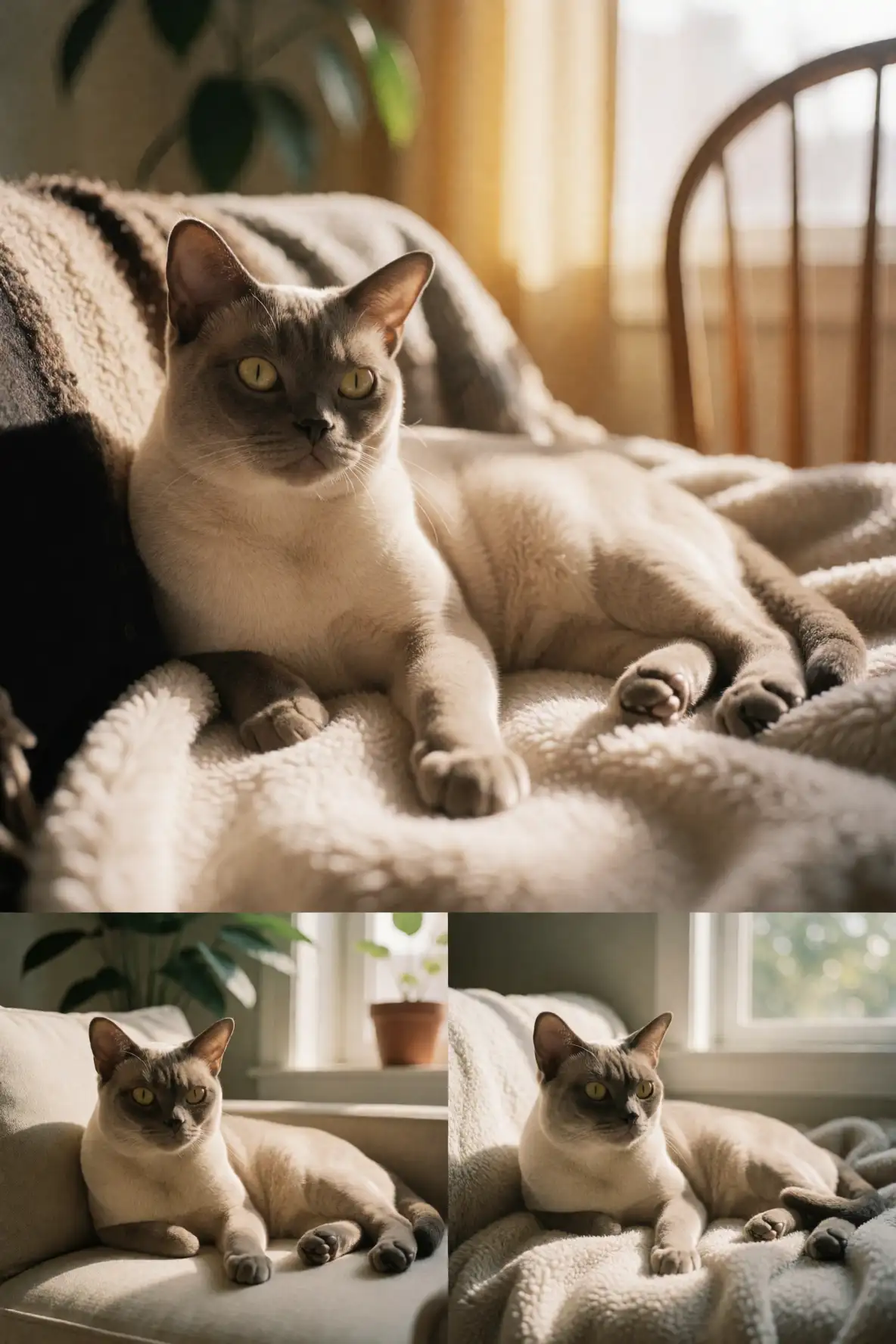
Overview of the British Shorthair
The British Shorthair is one of the oldest cat breeds, known for its robust build and charming round face. With a calm demeanor and a sturdy body, these cats are perfect companions for families and individuals alike. Their dense coat and large, round eyes give them a distinctive and endearing appearance, making them a popular choice among cat lovers.
Physical Characteristics
British Shorthairs are medium to large-sized cats, typically weighing between 9 to 18 pounds. They have a stocky build, with broad shoulders and strong legs. Their short, plush coat comes in a variety of colors and patterns, with the classic blue-gray hue being the most recognized. The breed's round face, full cheeks, and short nose contribute to their adorable look.
Temperament and Behavior
These cats are known for their laid-back and easygoing nature. British Shorthairs are affectionate but not overly demanding, making them great for busy households. They enjoy being around people, yet they are independent and can entertain themselves for long periods. They tend to get along well with children and other pets, making them a versatile addition to any home.
Grooming Needs
Despite their plush coat, British Shorthairs require relatively low grooming. A weekly brush is usually sufficient to keep their coat healthy and reduce shedding. During shedding seasons, more frequent brushing may be needed. Regular dental care and nail trimming are also important to keep your cat healthy.
Health Considerations
The British Shorthair is generally a healthy breed, but they can be prone to certain genetic conditions. Hypertrophic cardiomyopathy (HCM), a heart disease, is more common in this breed. Regular veterinary check-ups and a balanced diet can help mitigate health risks. It's essential to choose an ethical breeder who tests for these health issues.
Feeding and Nutrition
A balanced diet is crucial for maintaining the health of your British Shorthair. High-quality cat food that is rich in protein is recommended to promote muscle maintenance and overall health. Be mindful of their weight, as this breed can be prone to obesity if overfed. Always consult with your vet for personalized nutrition advice.
Training Your British Shorthair
British Shorthairs are intelligent and can be trained with patience and consistency. Positive reinforcement is the best approach, using treats or praise to encourage desired behaviors. Basic commands and litter box training are usually straightforward, and they can also learn tricks with enough motivation.
Socialization Tips
Finding a British Shorthair Kitten
Cost of a British Shorthair
Living Space Requirements
Playtime and Enrichment
Traveling with Your British Shorthair
Conclusion
Frequently Asked Questions
What is the lifespan of a British Shorthair?
The average lifespan of a British Shorthair is around 12 to 20 years, depending on their overall health, diet, and care.
Are British Shorthairs good with children?
Yes, British Shorthairs are known for their gentle and tolerant nature, making them excellent companions for children.
Do British Shorthairs shed a lot?
Are British Shorthairs prone to health issues?
They can be prone to certain genetic conditions, such as hypertrophic cardiomyopathy (HCM). Regular vet check-ups and health screenings are essential.
How much exercise do British Shorthairs need?
British Shorthairs are moderately active and enjoy short play sessions throughout the day. Engaging them with toys and playtime is important for their well-being.