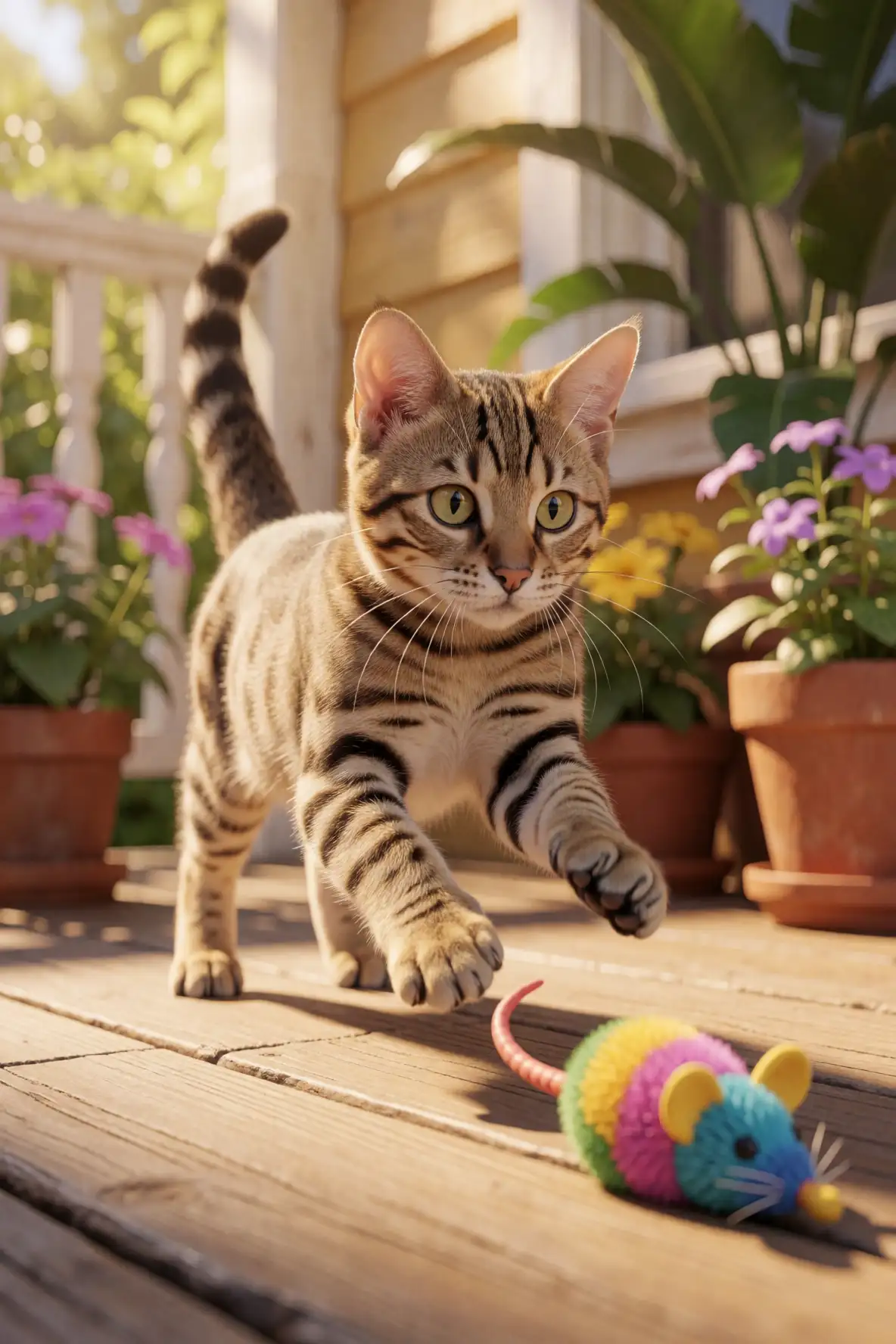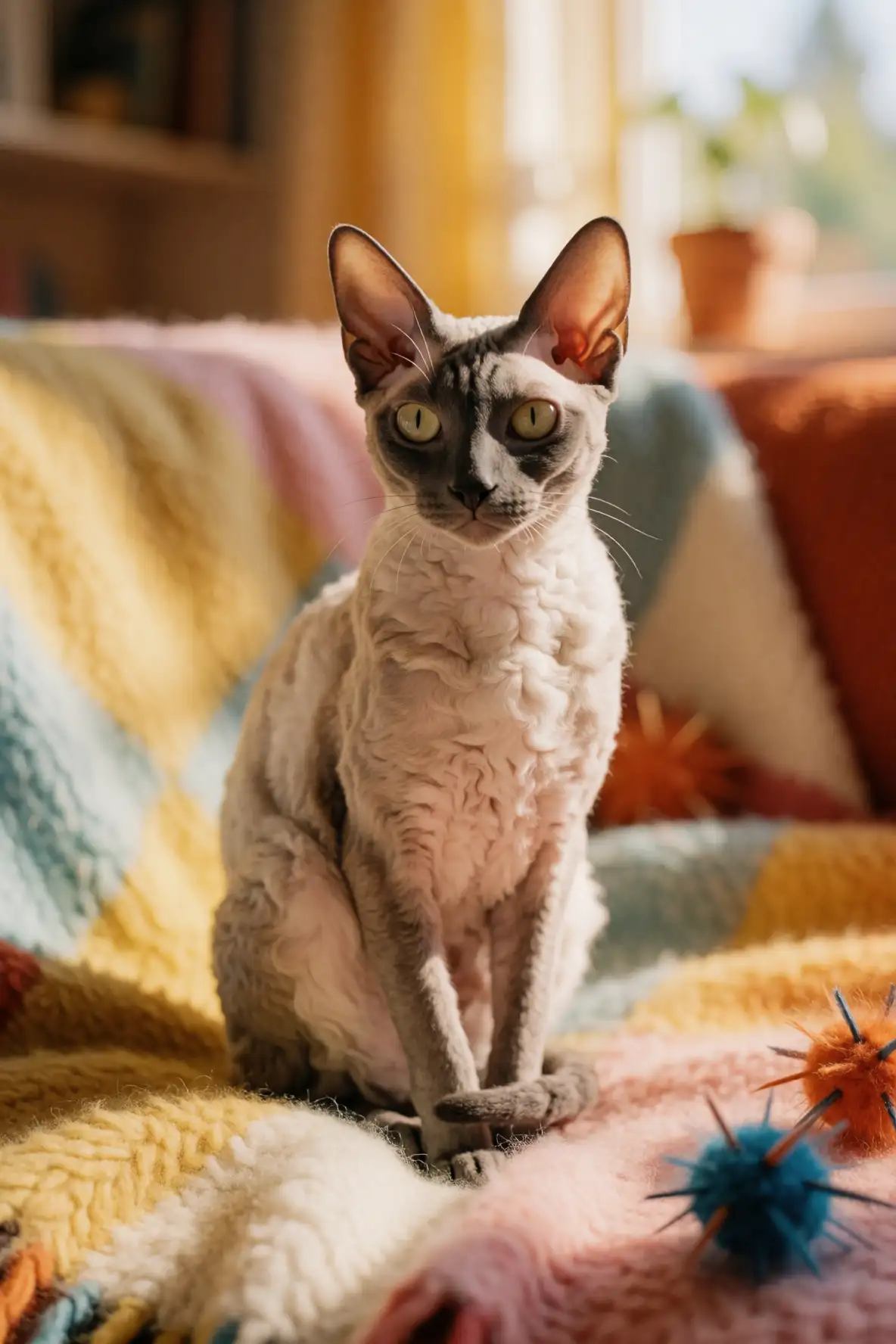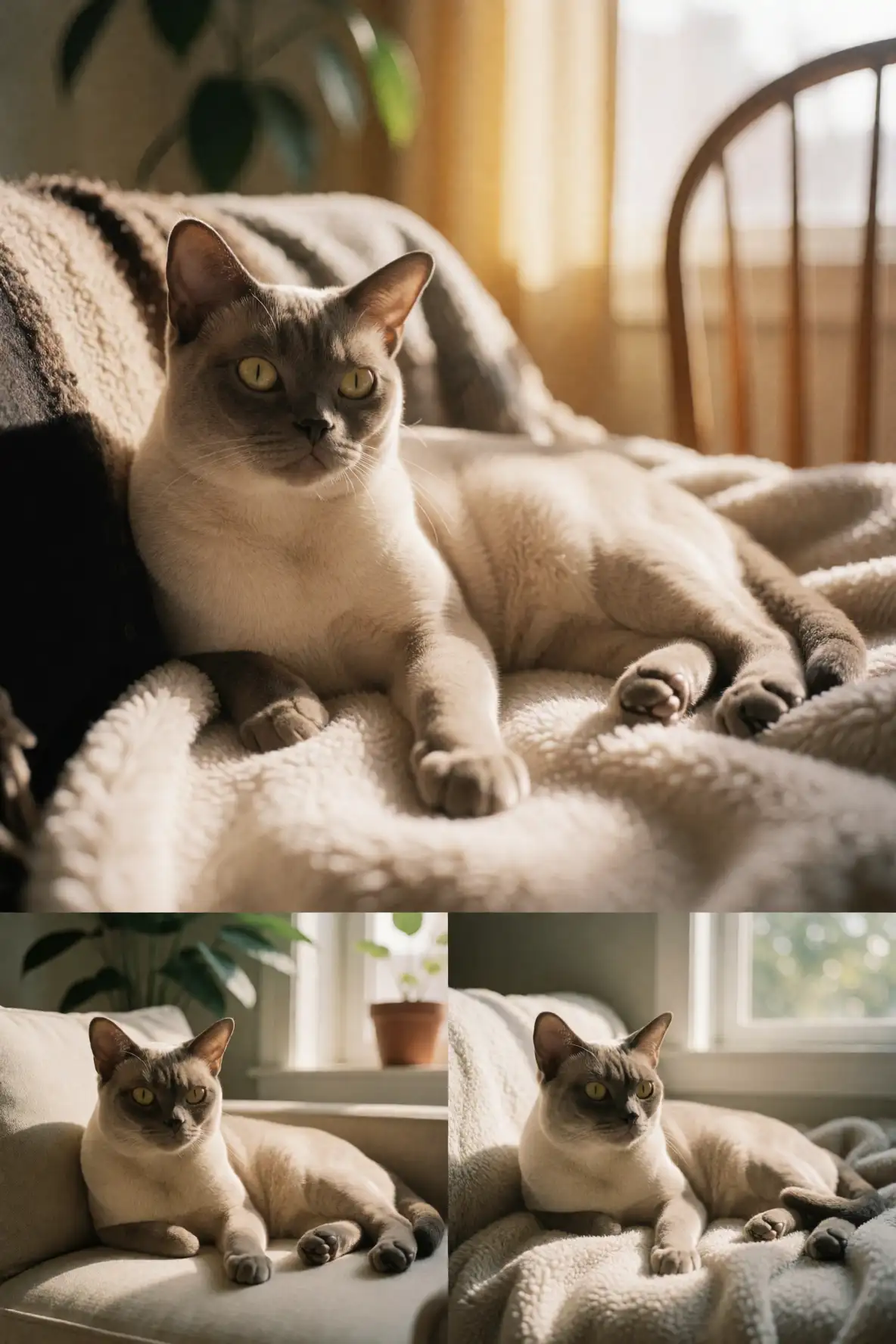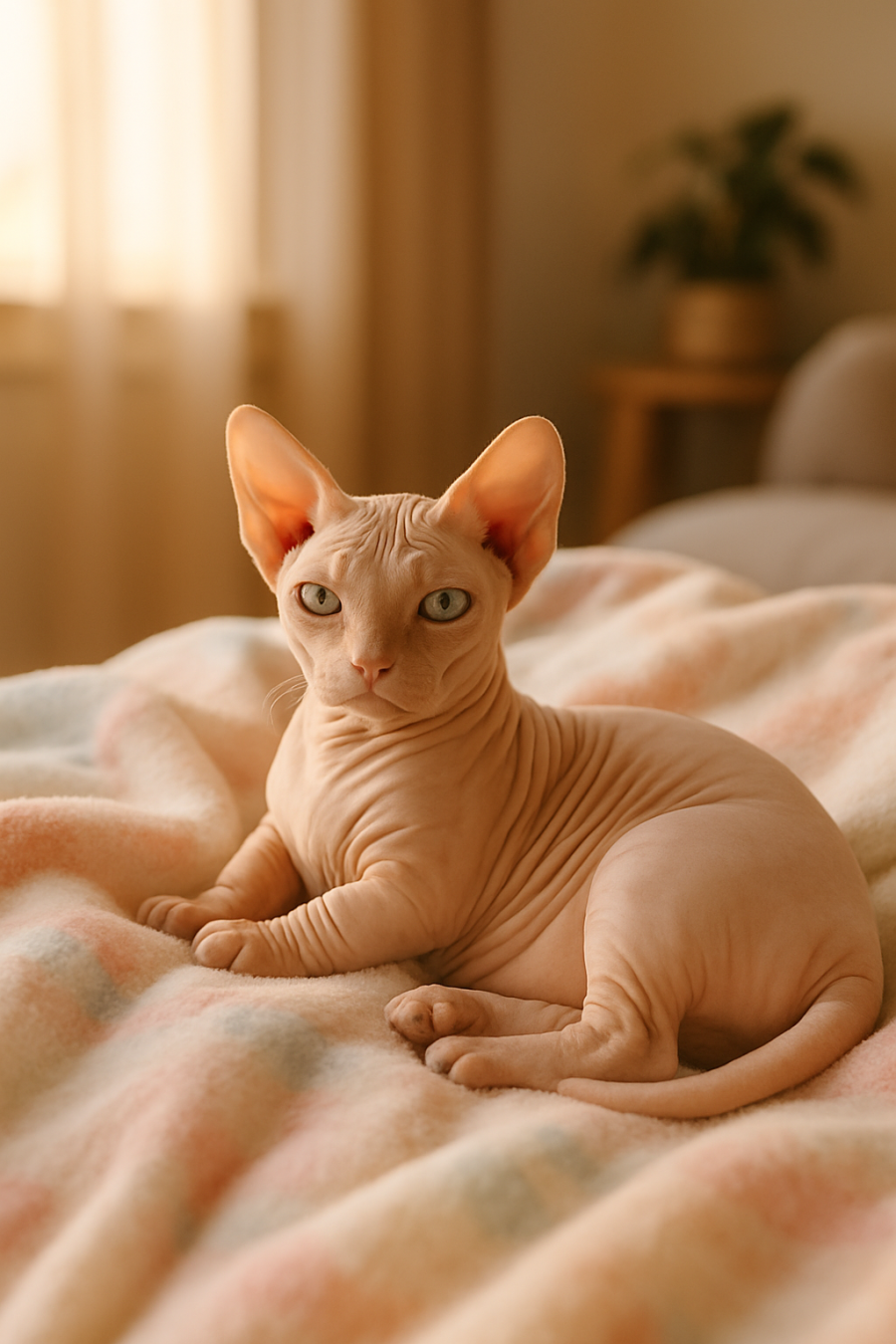
Introduction to the Bambino Cat
The Bambino cat is a unique and charming breed known for its small stature and playful personality. A cross between the Sphynx and the Munchkin, this breed boasts a hairless body with short legs, making them one of the most distinctive cats you can adopt. Their affectionate nature makes them excellent companions for families and individuals alike.
Originating in the early 2000s, the Bambino was developed to create a playful and social pet. Their endearing looks and lively attitude have quickly made them a favorite among cat lovers. If you’re interested in adding a Bambino to your family, browse available kittens or breeders on CatHatch.
Physical Characteristics
Bambino cats are small, typically weighing between 5 to 9 pounds. Their most striking feature is their short legs, which give them an adorable, kitten-like appearance throughout their lives. They have a round face with large ears, prominent cheekbones, and a muscular build, which adds to their charm.
Their skin is usually hairless, but some may have a fine fuzz, and their colors vary widely. You can find Bambinos in almost any color or pattern, making them as visually distinctive as they are fun-loving.
Temperament and Personality
They thrive on play and require regular engagement to keep them entertained. Bambinos are known to be quite vocal and will often chirp or meow to communicate their needs or desires, so be prepared for a chatty companion!
Health Considerations
While Bambinos are generally healthy, they can be prone to certain health issues like any breed. Due to their Sphynx lineage, they may face skin problems, such as oil build-up, which requires regular bathing. It's essential to keep their skin clean to prevent infections.
Additionally, because of their genetic background, Bambinos may be susceptible to heart conditions like hypertrophic cardiomyopathy (HCM). Regular veterinary check-ups are crucial to monitor their health and catch any potential issues early.
Grooming Needs
Grooming a Bambino is different from grooming most cats due to their hairless nature. Regular baths are necessary to keep their skin clean and healthy. Use gentle, cat-safe shampoos to avoid skin irritation. It's also a good idea to wipe their skin regularly to remove excess oils.
Although they don't have fur, Bambinos can still accumulate dirt and debris, so keeping their living space clean is essential. Regular nail trimming, dental care, and ear cleaning should be part of your grooming routine as well.
Feeding and Nutrition
Feeding a Bambino requires attention to their dietary needs. As a breed with high energy levels, they need a well-balanced diet rich in proteins and healthy fats to support their active lifestyle. Look for premium cat food that lists meat as the first ingredient, and consider adding wet food to their diet for hydration.
Monitor their weight, as Bambinos can be prone to obesity if overfed. Consult your veterinarian for specific dietary recommendations tailored to your cat’s age and activity level.
Training Your Bambino
Training a Bambino can be an enjoyable experience, thanks to their intelligence and eagerness to learn. Start with basic commands and litter box training. They respond well to positive reinforcement, so use treats and praise to encourage good behavior.
Socialization is essential for Bambinos, exposing them to different environments and people early on. This helps them grow into well-adjusted adults that comfortably interact with others.
Living Conditions
Bambinos adapt well to various living environments, including apartments and houses. However, they do require a warm, comfortable place to rest, as they can be sensitive to extreme temperatures due to their lack of fur. Provide soft bedding and ensure they have a cozy spot away from drafts.
They also need plenty of space to play and explore. Creating vertical spaces like cat trees or shelves can help satisfy their curiosity and energy levels.
Are Bambinos Good with Children and Other Pets?
Bambino cats are generally good with children and other pets, making them a wonderful addition to a family. Their playful nature encourages interaction, and they are usually tolerant of gentle handling by kids.
When introducing a Bambino to other pets, supervise the initial interactions to ensure everyone gets along. With proper socialization, they often thrive in multi-pet households.
Where to Find Bambino Kittens
If you’re looking to bring a Bambino into your home, it’s essential to find a responsible breeder. Look for breeders who prioritize health testing and socialization. CatHatch can help you find available Bambino kittens and reputable breeders in your area.
Adoption may also be an option, as some rescue organizations focus on rehoming unique breeds like the Bambino. Check local shelters or breed-specific rescues for opportunities to adopt.
Cost of a Bambino Cat
The average price of a Bambino cat ranges between $1,500 to $3,000, depending on factors such as breeder reputation, lineage, and location. It's essential to budget for initial costs, including vaccinations, spaying/neutering, and ongoing expenses like food, litter, and veterinary care.
While the initial price may seem high, the joy and companionship a Bambino brings can be well worth the investment.
Frequently Asked Questions
What is a Bambino cat?
The Bambino cat is a hybrid breed known for its small size, short legs, and hairless body. They are playful, social, and affectionate companions.
Are Bambino cats hypoallergenic?
While no cat is entirely hypoallergenic, Bambino cats may produce fewer allergens than other breeds due to their lack of fur. However, individual reactions can vary.
How much do Bambino cats cost?
The typical price for a Bambino cat ranges from $1,500 to $3,000, influenced by factors like breeder reputation and lineage.
Do Bambino cats require special care?
Yes, Bambinos require regular baths to maintain their skin health and should be protected from extreme temperatures due to their hairless nature.
Are Bambino cats good with kids?
Bambino cats are generally good with children, as they are playful and affectionate. Proper supervision during interactions is recommended.