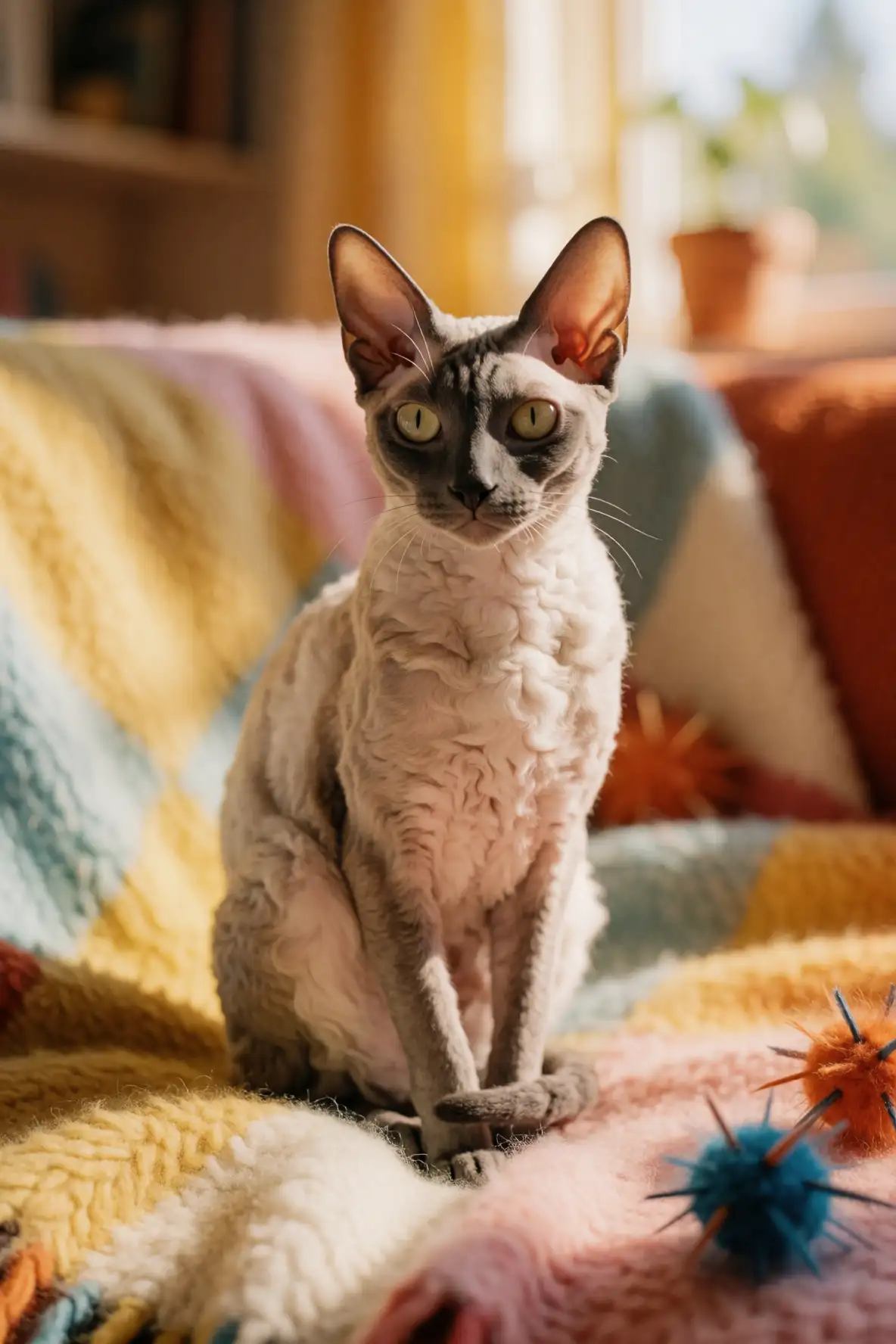
Understanding the Lifespan of Bengal Cats
Bengal cats, known for their striking spotted coat and energetic personality, typically live between 12 to 16 years. This lifespan is fairly standard for many domestic cat breeds, but factors such as diet, healthcare, and living conditions can influence their longevity. Owners should be proactive in fostering a healthy environment to help their Bengal thrive.
Factors Influencing Lifespan
Common Health Issues in Bengals
Bengal cats are generally healthy, but they can be predisposed to certain conditions like hypertrophic cardiomyopathy (HCM), a heart disease that can affect their lifespan. Additionally, they may be susceptible to dental issues and certain skin conditions. Awareness of these potential problems can help owners take preventative measures.
Diet and Nutrition for Longevity
Providing a balanced diet rich in high-quality proteins is essential for the overall health of Bengal cats. They require a diet that imitates their natural hunting habits, including a mix of wet and dry food. Many Bengal owners have found that feeding a grain-free diet can minimize digestive issues and promote a shiny coat, contributing to a longer life.
Exercise Requirements
Active and playful, Bengal cats require regular exercise to maintain their physical and mental health. Engaging activities like interactive play sessions and providing cat trees or climbing structures can help keep them fit and reduce the risk of obesity, which can shorten their lifespan.
Regular Veterinary Care
Routine veterinary visits are vital for keeping Bengal cats healthy. Regular vaccinations, dental check-ups, and health screenings can catch issues early. Many owners opt for annual wellness exams to ensure their Bengal remains in peak condition throughout their life.
Environmental Enrichment
Creating an enriching environment is crucial for the well-being of Bengals. These cats are highly intelligent and need mental stimulation. Providing puzzle toys, scratching posts, and interactive play can help prevent behavioral issues and stress, ultimately contributing to a longer, happier life.
Grooming Needs
Bengal cats have a unique short coat that requires minimal grooming. However, regular brushing can reduce shedding and hairballs while keeping their coat healthy and shiny. Additionally, establishing a grooming routine can foster a stronger bond between owner and pet.
Stress Management
Stress can significantly affect the lifespan of Bengal cats. They may become stressed by changes in their environment or routine. Providing a stable home, introducing new elements gradually, and recognizing signs of stress can help create a calm atmosphere that promotes longevity.
The Importance of Spaying/Neutering
Spaying or neutering Bengal cats can have several health benefits, including reducing the risk of specific cancers and unwanted behaviors. This procedure not only helps control the cat population but can also enhance the overall health and longevity of your Bengal.
Considerations for Breeding
If considering getting a Bengal kitten, it’s essential to choose a responsible breeder who follows ethical breeding practices. This can help ensure the health and longevity of the cat, as ethical breeders prioritize health testing and socialization.
Adopting vs. Buying a Bengal
Whether you adopt or buy a Bengal cat, it’s important to understand their needs and lifestyle requirements. Adopting from shelters can sometimes offer the chance to give a cat a second chance at life, while purchasing from a reputable breeder can provide a kitten with a known lineage. You can browse available Bengal kittens on CatHatch for options tailored to you.
Conclusion
While the average lifespan of Bengal cats ranges from 12 to 16 years, with the right care and attention, they can live even longer. Focusing on health, nutrition, and a stimulating environment will contribute to a happy and long life for your Bengal. Remember, potential Bengal cat owners can find their perfect companion on CatHatch.
Frequently Asked Questions
How long do Bengal cats typically live?
Bengal cats generally live between 12 to 16 years, depending on their overall health and care. Some may live even longer with the right attention.
What are common health issues in Bengal cats?
Common health issues in Bengals include hypertrophic cardiomyopathy (HCM), dental problems, and skin conditions. Regular vet check-ups are essential for early detection.
What should I feed my Bengal cat?
Bengal cats thrive on a high-protein diet. It's best to provide a mix of wet and dry food, ideally grain-free, to maintain their health and energy levels.
How can I keep my Bengal cat active?
Engage your Bengal with interactive toys, climbing structures, and regular playtime. Bengals are energetic and need stimulation to stay healthy.
Is it necessary to spay/neuter my Bengal cat?
Yes, spaying or neutering your Bengal can prevent health issues and unwanted behaviors, contributing to a longer and healthier life.
Where can I find Bengal kittens?
You can find Bengal kittens available for adoption or purchase on CatHatch. It's important to choose a reputable source for your new feline friend.