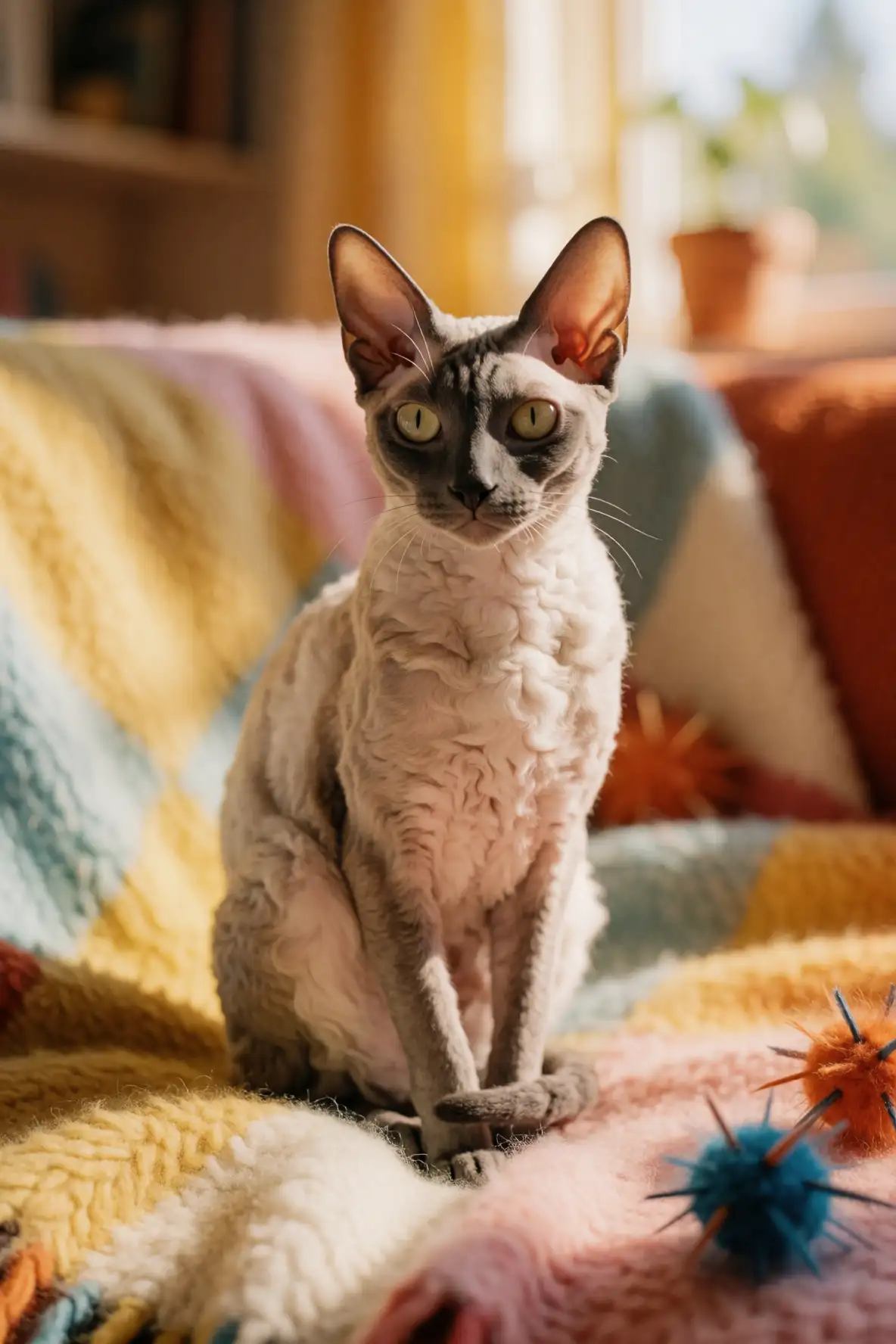
Understanding the Lifespan of Balinese Cats
Balinese cats typically enjoy a lifespan of 15 to 20 years, which is relatively long compared to many other breeds. This breed is known for its striking appearance and playful personality, making them beloved companions for many households. With proper care and a healthy lifestyle, it's not uncommon for Balinese cats to reach their late teens or even early twenties.
Factors Influencing Lifespan
Several factors influence the lifespan of Balinese cats, including genetics, diet, and overall health care. Genetic predispositions can affect longevity, so it's important to choose a kitten from a reputable breeder who screens for common health issues. Additionally, a balanced diet tailored to their specific nutritional needs can significantly impact their health and lifespan.
Common Health Issues in Balinese Cats
While Balinese cats are generally healthy, they can be prone to certain genetic conditions. These may include hip dysplasia, progressive retinal atrophy (PRA), and certain types of heart disease. Regular veterinary check-ups can help catch any potential issues early, ensuring that your Balinese remains healthy throughout their life.
The Importance of Regular Veterinary Care
To maximize the lifespan of your Balinese cat, regular veterinary visits are essential. Routine check-ups allow for early detection of health issues and the opportunity to keep vaccinations up to date. Your vet can also provide valuable advice on diet, exercise, and preventative care tailored specifically for your Balinese.
Diet and Nutrition
A nutritious diet is integral to the overall health of your Balinese cat. High-quality cat food that meets their specific needs will help maintain a healthy weight and support their energy levels. Consider discussing your Balinese's dietary requirements with your veterinarian, as they can recommend the best food based on age, activity level, and health status.
Exercise and Activity Levels
Balinese cats are known for their energetic and playful nature. Regular playtime and exercise are crucial for keeping them fit and healthy. Engaging them with toys, climbing structures, and interactive play can help prevent obesity and reduce the risk of related health problems.
Creating a Safe Home Environment
Providing a safe and stimulating environment is important for the health of your Balinese cat. This breed enjoys exploring and playing, so secure areas where they can climb or hide. Additionally, keeping harmful substances and plants out of reach can prevent accidents and health issues.
Grooming Needs
Balinese cats have a medium-length, silky coat that requires regular grooming to prevent mats and tangles. Weekly brushing will help keep their coat healthy and remove loose fur, reducing shedding around the house. This grooming routine not only keeps your Balinese looking fabulous but also strengthens the bond between you and your pet.
Signs of Aging in Balinese Cats
As your Balinese cat ages, you may notice changes in their behavior and health. Common signs of aging include decreased activity, changes in appetite, and alterations in grooming habits. Paying close attention to these signs can help you address any health concerns early and adjust care as needed.
Enhancing Quality of Life
To enhance the quality of life for your Balinese cat, focus on mental stimulation and interaction. Provide toys that challenge their intelligence, and spend quality time engaging with them. These activities can help prevent behavioral issues and ensure that your cat remains happy and well-adjusted throughout their life.
Choosing the Right Breeder
When looking for a Balinese kitten, it's crucial to select a responsible breeder. A good breeder will prioritize health testing and ethical breeding practices. They should be willing to discuss the lineage of their cats and any health issues that may be present in their lines, helping you make an informed decision.
Adopting vs. Buying
If you're considering adding a Balinese cat to your family, you may choose between adopting from a rescue or purchasing from a breeder. Each option has its benefits, but it's important to ensure that you are supporting ethical practices, regardless of your choice. You can browse available kittens or breeders on CatHatch to find the perfect match for your family.
Health Insurance for Your Balinese Cat
Investing in health insurance for your Balinese cat can be a wise decision, especially given the potential for breed-specific health issues. Insurance can help alleviate some of the financial burdens of unexpected veterinary costs, allowing you to focus on your cat's well-being rather than the expense of care.
Conclusion
The lifespan of Balinese cats can be quite impressive with proper care and attention. By focusing on their health, nutrition, and environment, you can help your furry friend live a long, happy life. Whether you’re looking for new kittens or finding ethical breeders, CatHatch is a fantastic resource for connecting with responsible sources.
Frequently Asked Questions
How long do Balinese cats typically live?
Balinese cats usually live between 15 to 20 years with proper care. Their healthy lifestyle can contribute to a longer lifespan.
Are Balinese cats prone to genetic health issues?
Yes, Balinese cats can be prone to certain genetic health issues like hip dysplasia and progressive retinal atrophy (PRA). Regular vet check-ups are essential for early detection.
What should I feed my Balinese cat?
Feeding your Balinese cat a high-quality, balanced diet formulated for their specific needs is crucial. Consult your veterinarian for personalized dietary recommendations.
Do Balinese cats need a lot of exercise?
Yes, Balinese cats are energetic and require regular exercise to stay healthy. Engaging them in playtime helps prevent obesity and keeps them mentally stimulated.
How can I tell if my Balinese cat is aging?
Common signs of aging in Balinese cats include decreased activity, changes in appetite, and alterations in grooming habits. Monitoring these changes can help you address any health concerns early.