How Long Do Abyssinian Cats Live? Lifespan & Health Guide
Understanding the Abyssinian Cat
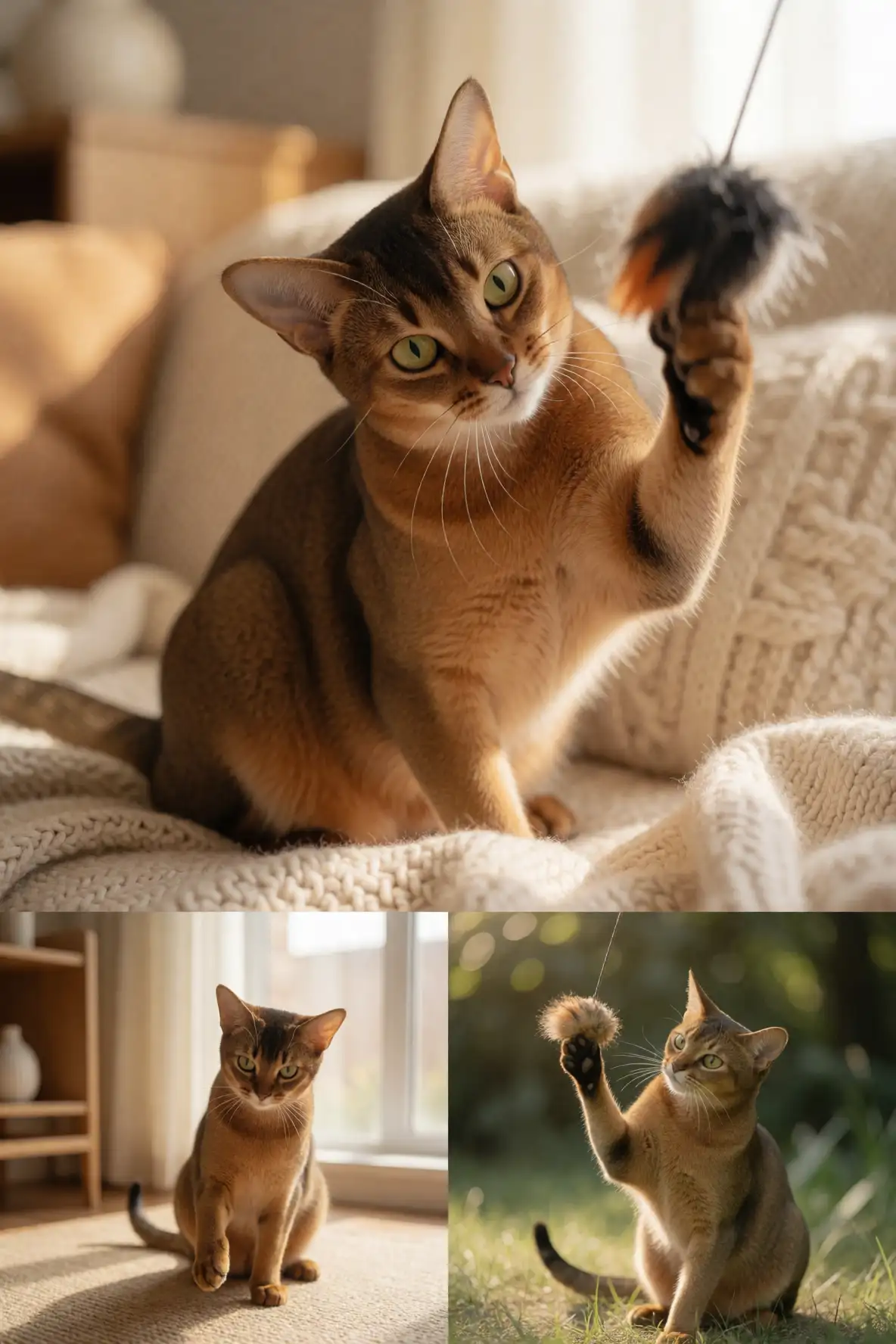
The Abyssinian cat is renowned for its striking appearance and playful personality. With a short, ticked coat that combines rich colors like ruddy, red, and blue, these cats are not just beautiful; they are also incredibly intelligent and active. Their playful nature makes them great companions, but understanding their health and lifespan is crucial for any potential owner.
Abyssinians are one of the oldest known breeds, believed to resemble cats from ancient Egypt. They typically weigh between 8 to 12 pounds and have a well-muscled, medium-sized frame. Their unique coat requires minimal grooming, which can be a joy for busy cat owners.
Average Lifespan of Abyssinian Cats
The average lifespan of an Abyssinian cat is around 12 to 15 years, although some may live longer with proper care. Several factors influence their longevity, including genetics, diet, and overall health. Regular veterinary check-ups and a balanced diet can significantly impact how long your Abyssinian will live.
While their lifespan is relatively typical for cats, Abyssinians are known for their robust health. However, they are predisposed to certain health issues, which can be managed with regular care and attention.
Common Health Issues in Abyssinians
Like all breeds, Abyssinians can be prone to specific health conditions. One of the most notable is renal amyloidosis, a condition that affects the kidneys. Regular vet visits can help catch this early and manage it properly.
Additionally, Abyssinians may experience dental issues or gingivitis due to their unique jaw structure. Maintaining good dental hygiene is essential. Providing dental treats or regular brushing can help keep their teeth healthy and prevent issues.
Diet and Nutrition for Longevity
A balanced diet is key to ensuring your Abyssinian lives a long, healthy life. A mix of high-quality dry and wet food is recommended to provide the necessary nutrients. Look for formulas specifically designed for active cats, as Abyssinians tend to be energetic and playful.
Portion control is essential to prevent obesity, which can lead to other health issues. Always consult your veterinarian for personalized dietary recommendations based on your cat's age, weight, and health status.
Exercise and Mental Stimulation
Abyssinians are known for their playful nature and high energy levels. Ensuring they have plenty of opportunities to exercise is crucial for their health and happiness. Engage them with interactive toys, climbing structures, and regular playtime.
Mentally stimulating activities are also essential. Puzzle feeders and training sessions can help keep them engaged and prevent behavioral issues that arise from boredom.
Grooming Needs
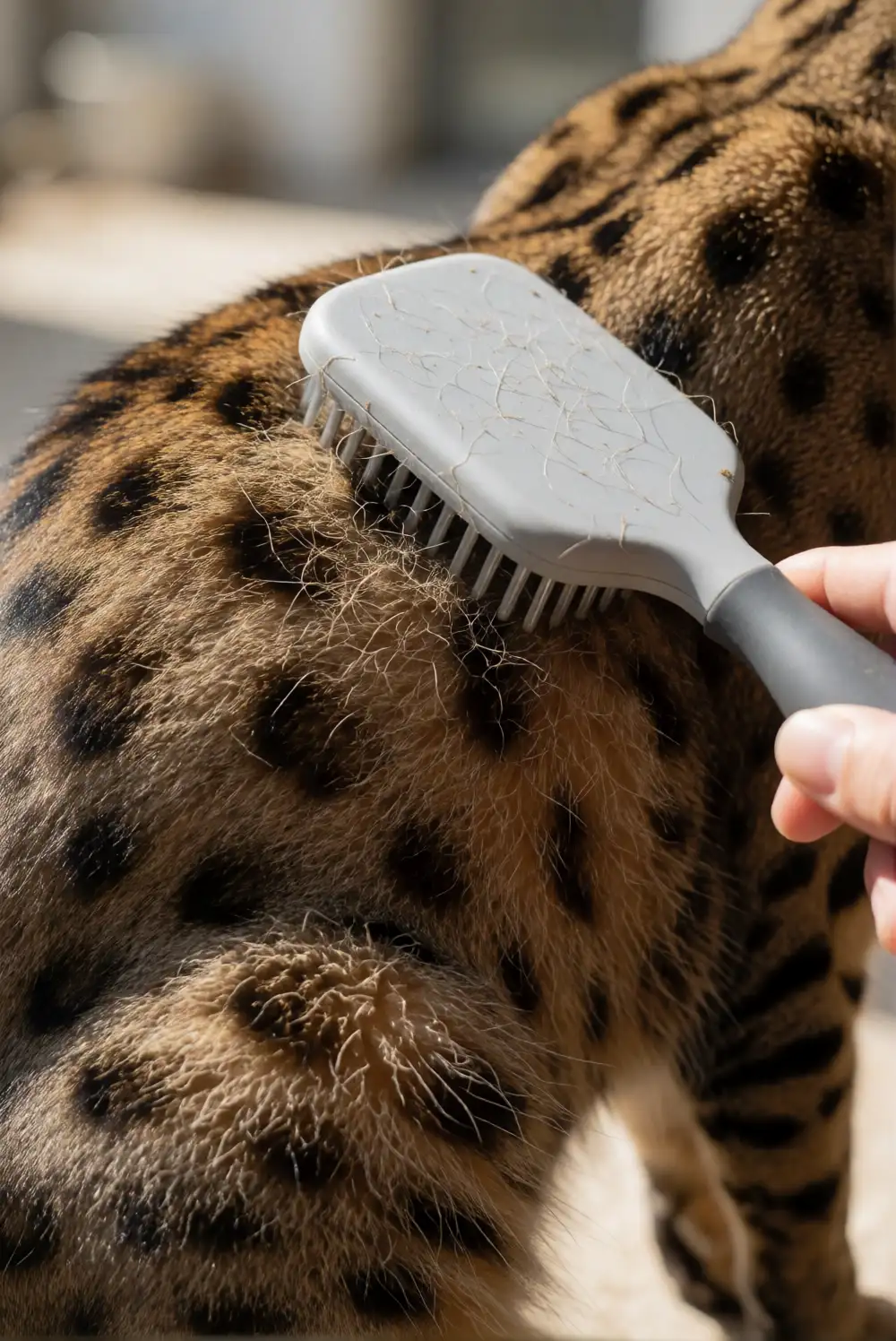
Grooming an Abyssinian is relatively simple due to their short coat. Regular brushing, about once a week, is sufficient to remove loose hair and reduce shedding. This simple routine helps maintain a shiny coat and promotes bonding between you and your cat.
While they don’t require frequent baths, keeping their ears clean and checking their nails regularly is part of responsible ownership. This assistance can help prevent health issues and keep your Abyssinian comfortable.
Regular Veterinary Check-Ups
Routine veterinary visits are vital for keeping your Abyssinian cat healthy. Regular check-ups enable your vet to catch early signs of health problems. Vaccinations, dental care, and parasite prevention should be discussed during these visits.
Consider scheduling semi-annual check-ups, especially as your cat ages. Early detection of health issues can lead to more effective treatment and help your Abyssinian live a longer, happier life.
The Importance of Spaying or Neutering
Spaying or neutering your Abyssinian can help prevent certain health issues and unwanted behaviors. This procedure significantly reduces the risk of cancers and can contribute to a longer lifespan.
Consult with your veterinarian about the best time to spay or neuter your Abyssinian, as this can vary based on individual health and circumstances.
Creating a Safe Home Environment
Providing a safe and stimulating environment is essential for an Abyssinian's health. Ensure your home is free from hazards, such as toxic plants and small objects that could be swallowed. Cat-proofing your space can help prevent accidents and injuries.
Offering a variety of toys and climbing structures can keep your Abyssinian entertained and active, promoting good physical health.
Socialization and Companionship
Abyssinians are social cats that thrive on companionship. Whether you have other pets or spend quality time with them, social interaction is critical for their mental well-being. Consider adopting a pair if your lifestyle allows, as they often enjoy the company of their kind.
Regular interaction can help prevent separation anxiety and behavioral issues, contributing to a happier and healthier life.
Conclusion
Understanding how long Abyssinian cats live and what factors influence their health can empower you as a cat owner. With proper care, attention, and regular veterinary visits, your Abyssinian can lead a long and fulfilling life. If you're considering adding an Abyssinian to your family, browse available kittens on CatHatch to find a perfect match.
Frequently Asked Questions
How long do Abyssinian cats typically live?
Abyssinian cats typically live between 12 to 15 years, though some may live longer with proper care.
What are common health issues in Abyssinians?
Abyssinians are prone to renal amyloidosis and dental problems. Regular veterinary care can help manage these issues.
What should I feed my Abyssinian for better health?
A balanced diet of high-quality wet and dry food, tailored for active cats, is essential for an Abyssinian's health.
Do Abyssinians require a lot of grooming?
Minimal grooming is needed for Abyssinians; brushing once a week is usually sufficient to keep their coat healthy.
Are Abyssinians good with other pets?
Abyssinians are social cats that generally get along well with other pets, especially if introduced properly.
Ready to Find Your Kitten?
Browse available kittens from verified breeders across the USA.