What to Know About Snowshoe Cat Health
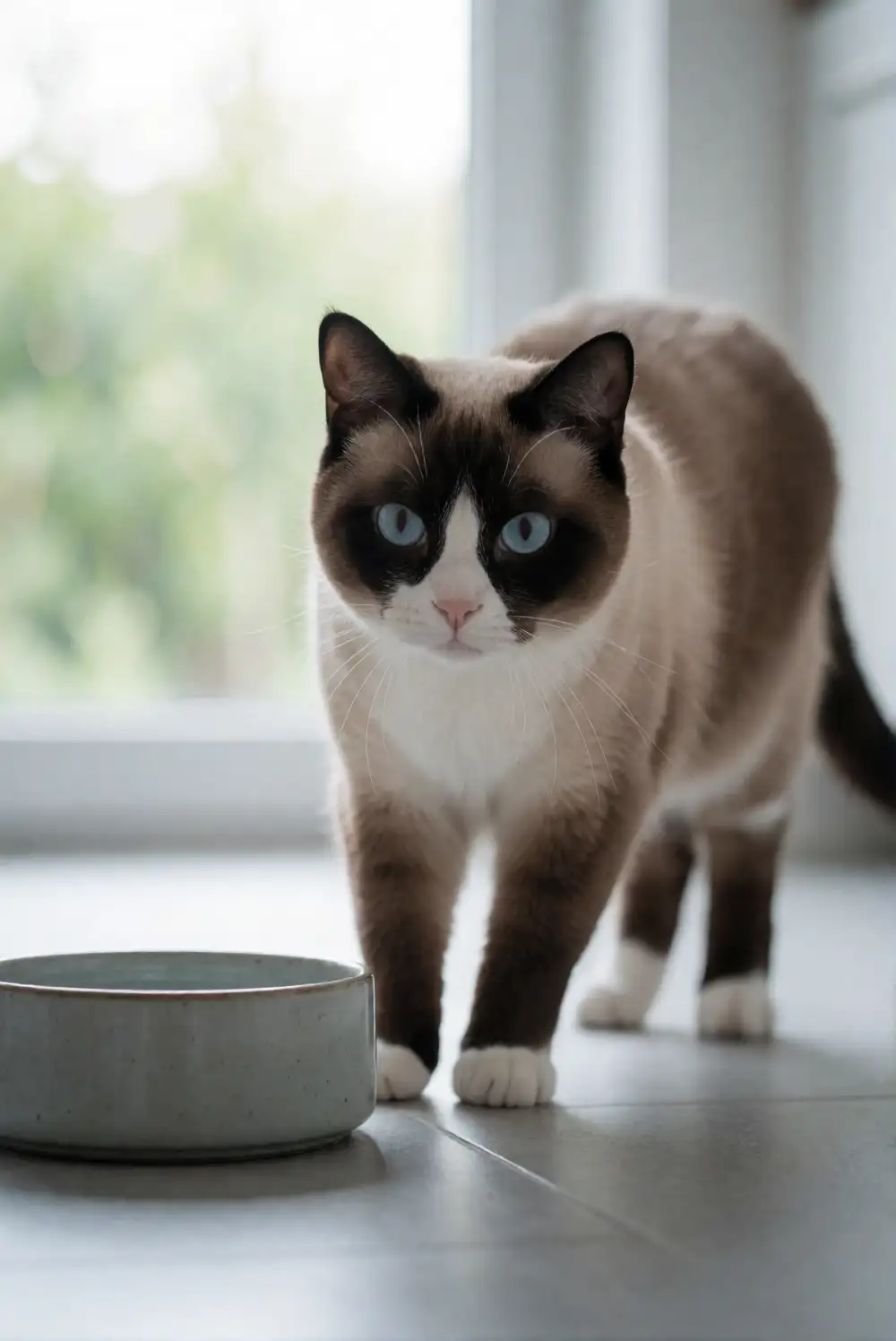
Snowshoe cats are generally considered a healthy breed, and there is no well-established list of illnesses that affects Snowshoes more than other cats. Because the breed is relatively uncommon and its population is limited, however, research on Snowshoe-specific risks is also limited. A health concern sometimes discussed for Snowshoes may reflect individual family lines or their Siamese ancestry—not a confirmed risk for every Snowshoe.
The practical approach is to know your cat’s normal habits, keep up with preventive veterinary care, and ask about health history when choosing a kitten. If you’re comparing breeders, CatHatch can help you browse available Snowshoe kittens and ask breeders about veterinary records and health screening for their lines.
Weight Gain and Obesity
Snowshoes are medium-sized, muscular cats with a short coat, and their active, social nature often makes play a good part of daily life. Still, any cat can gain excess weight when meals and treats provide more calories than activity uses. Obesity can increase strain on joints and contribute to conditions such as diabetes, so a healthy body condition matters even when a cat seems energetic.
Ask your veterinarian what a suitable weight and body shape look like for your Snowshoe rather than relying on a number alone. You should be able to feel the ribs beneath a light covering and see a slight waist from above. Measure meals, count treats as part of the daily allowance, and offer short, interactive play sessions. If your cat gains weight, seek veterinary advice before restricting food; gradual, supervised weight loss is safer than crash dieting.
Dental Disease
Dental disease is common in cats, including Snowshoes, and can cause painful inflammation, infection, and difficulty eating. Plaque and tartar may be easy to miss, especially when a cat continues to eat despite discomfort. Bad breath, drooling, pawing at the mouth, dropping food, or reluctance to chew are reasons to arrange a veterinary exam.
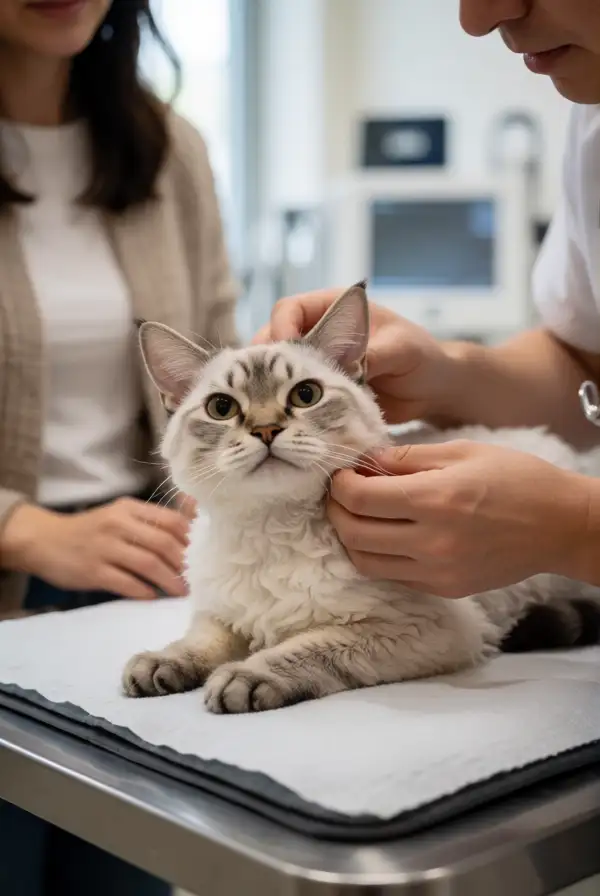
Have your veterinarian check your cat’s teeth during routine visits and discuss professional cleaning if needed. Brushing with cat-specific toothpaste is an effective home habit when introduced patiently; human toothpaste is not appropriate for cats. Dental treats or diets may help some cats, but they do not replace an examination or treatment for existing disease.
Heart and Kidney Concerns: Avoid Assuming a Breed Diagnosis
Hypertrophic cardiomyopathy (HCM), a thickening of the heart muscle, occurs in cats of many backgrounds. It is not established as a common Snowshoe-specific condition, but a cat can still develop it. Some cats show no obvious signs until disease is advanced. Fast or labored breathing, weakness, collapse, or sudden hind-leg pain or paralysis needs urgent veterinary attention.
Amyloidosis, a kidney-affecting condition reported in some Siamese and related lines, is also sometimes mentioned in discussions of Snowshoe health. That does not mean Snowshoes are known to have a high rate of the disease. Ask breeders about kidney problems in close relatives, and tell your veterinarian about relevant family history. Routine exams and blood and urine testing, when recommended for your cat’s age and health, can help identify kidney changes; increased thirst, frequent urination, poor appetite, or weight loss deserve a checkup.
Urinary Problems and Everyday Prevention
Urinary tract problems are not a proven Snowshoe breed predisposition, but they are important for every cat owner to recognize. Straining in the litter box, repeated trips with little urine, crying while trying to urinate, blood in the urine, or urinating outside the box can signal a medical problem. A cat—especially a male cat—that cannot pass urine needs emergency veterinary care; do not wait to see if it improves.
Fresh water, clean litter boxes, a suitable diet, and a steady routine support general wellbeing, though they cannot prevent every illness. Keep Snowshoes indoors or provide secure outdoor access, maintain a healthy weight, and follow your veterinarian’s recommendations for vaccines, parasite prevention, and checkups. When looking at kittens, ask for veterinary records and a clear account of health issues in the parents and close relatives.
Frequently Asked Questions
Are Snowshoe cats prone to health problems?
Snowshoes are generally considered healthy, and no common breed-specific illness is firmly established. Individual cats can still develop the same dental, weight, heart, kidney, and urinary problems seen in other cats.
Do Snowshoe cats have a higher risk of heart disease?
There is not strong evidence that Snowshoes have a higher rate of heart disease than other cats. Ask your veterinarian about an exam if you notice breathing changes, weakness, or reduced activity, and share any known family history.
Are Snowshoe cats prone to kidney disease?
Kidney disease can affect any cat, but a higher risk in Snowshoes has not been established. Ask about kidney problems in a kitten’s relatives and follow your veterinarian’s advice on exams and testing.
What should I ask a Snowshoe breeder about health?
Ask for veterinary records, details of health screening, and information about heart or kidney problems in the kitten’s parents and close relatives. A responsible breeder should answer clearly and explain the health history of their lines.