What an Arabian Mau Needs in Their Diet
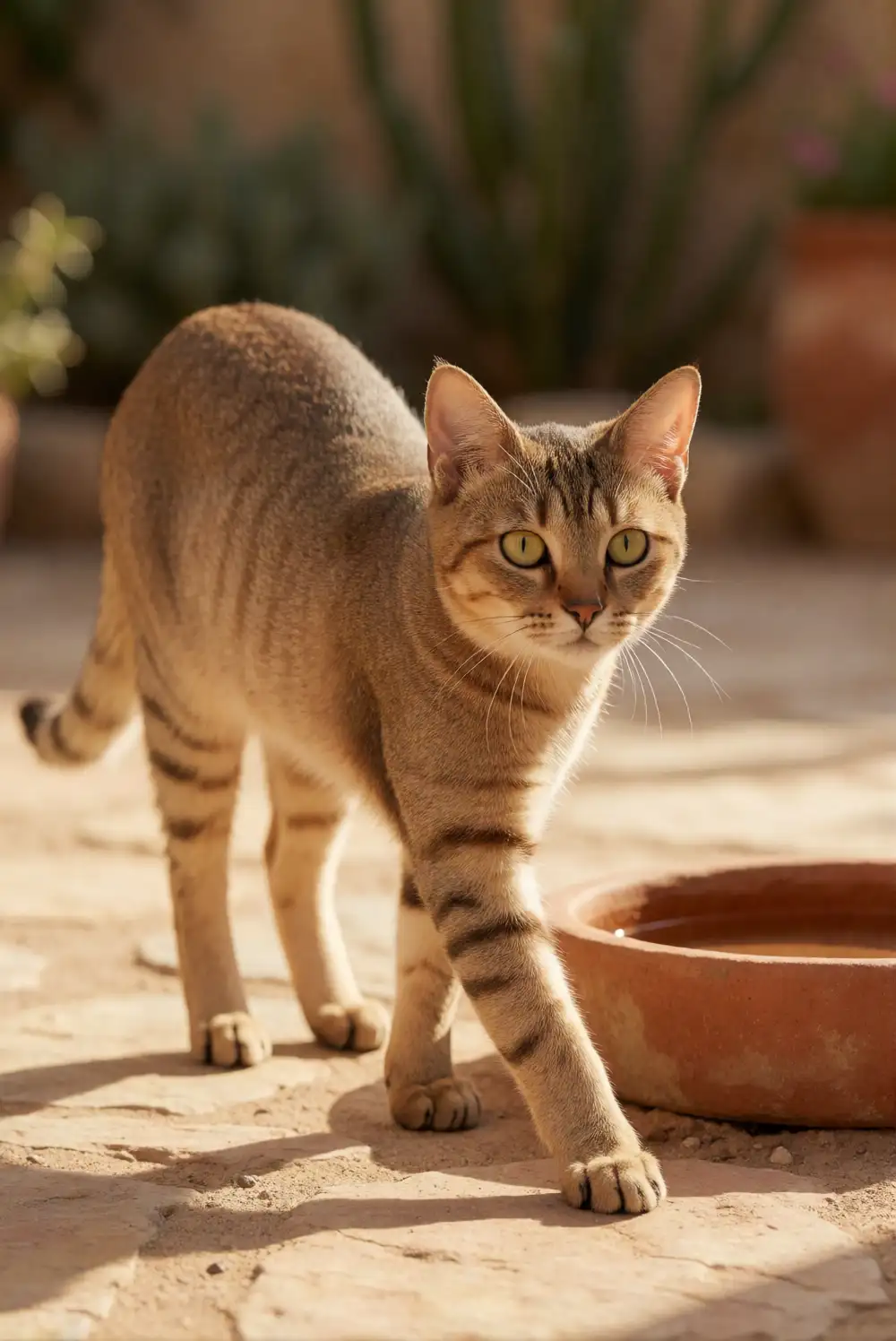
The Arabian Mau is a naturally developed, shorthaired cat from the Arabian Peninsula, known for an athletic build, long legs, and an energetic, curious nature. That active physique benefits from a complete, balanced diet that supplies high-quality animal protein, essential fats, vitamins, and minerals. There is no established breed-specific diet or special nutrient requirement for Arabian Maus; choose food for your cat’s life stage, activity, and body condition instead.
Look for food labeled complete and balanced for the appropriate life stage and formulated to meet AAFCO nutrient profiles. Cats are obligate carnivores, so animal-based ingredients provide important nutrients, including taurine. A food’s ingredient list can help you understand what it contains, but it does not tell the whole story about quality or nutritional balance. Ask your veterinarian for advice if your cat has a health condition or needs a prescription diet.
Feeding an Arabian Mau by Age
Kittens: Feed a complete kitten formula until about 12 months old. Growing kittens need more energy and specific nutrient levels than adults, so adult maintenance food is not a suitable substitute. Offer measured meals three or four times daily when young, gradually reducing to two or three as your kitten grows. Follow the package’s age and weight guidance, then adjust with your veterinarian if growth or body condition is a concern.
Adults: From around one year, most Arabian Maus can move to adult maintenance food. Two measured meals a day suit many adult cats and make it easier to track appetite and portions. Active cats may need more food than sedentary housemates, but don’t assume every energetic Mau needs unlimited access to kibble. Base portions on your individual cat’s condition and the food’s calorie content.
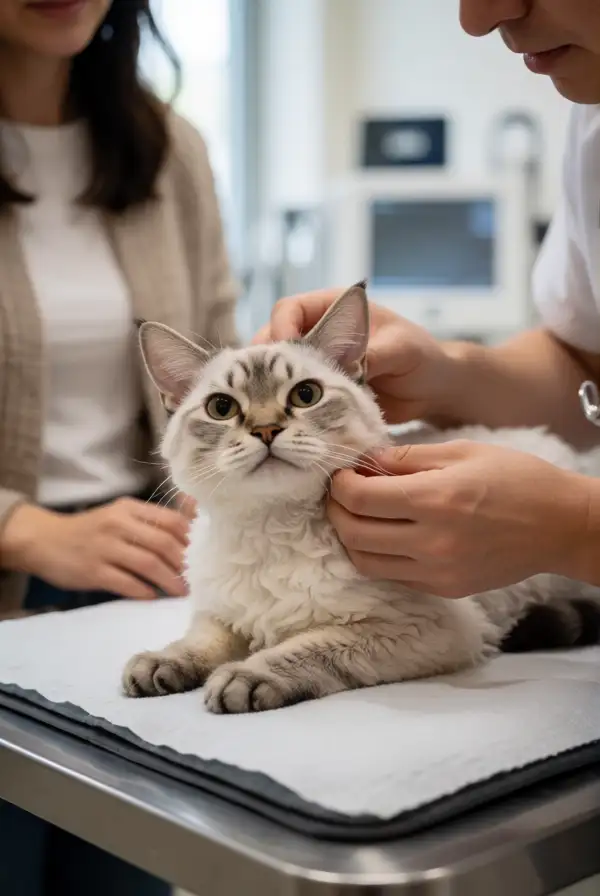
Seniors: There is no automatic need to switch food simply because a cat reaches a certain age. Many cats are considered senior around age seven, but health, dental comfort, and activity matter more than the birthday alone. Ask your veterinarian whether your older Mau should stay on adult food or change to a diet for a specific need. Regular checkups can help catch changes in weight, kidney function, or appetite early.
Portions by Weight: How Much Should You Feed?
Arabian Maus are medium-sized, but a healthy weight varies with sex, frame, and muscle. Rather than feeding to a single breed-weight target, use your veterinarian’s assessment and body condition. You should be able to feel the ribs beneath a light layer of fat, see a waist from above, and notice a gentle abdominal tuck from the side. A prominent belly or ribs that are difficult to feel can signal that portions need review.
Start with the feeding guide on the food package, using your cat’s current weight and the product’s calorie information. For a more accurate daily amount, divide your veterinarian’s recommended calorie allowance by the calories per can, pouch, or measured cup. For example, if a portion contains 100 calories and your veterinarian recommends 200 calories daily, that would equal two portions across the day. This is an illustration, not a universal calorie target; foods and cats differ.
Count treats as part of the daily intake, and keep them to a small share of calories. Weigh your cat regularly—monthly is a useful routine for many healthy adults—and reassess portions if weight changes. Neutering, reduced activity, and indoor living can lower energy needs. Readers comparing care needs while browsing CatHatch for Arabian Mau kittens can ask a veterinarian to establish a healthy starting weight and feeding plan.
Wet Food, Dry Food, and Hydration
Both wet and dry food can work if they are complete and balanced for your cat’s life stage. Wet food supplies more moisture and can be a helpful way to increase water intake; dry food is convenient to portion and store. You can feed one type or combine them, but calculate portions by calories rather than offering a full serving of each. If your cat has a urinary, kidney, or other diagnosed condition, follow your veterinarian’s specific food and water guidance.
Keep fresh water available in a clean bowl, away from the litter box. Some cats prefer a wide bowl or a circulating fountain, while others drink more when several water stations are available. Even though the breed originated in a hot region, an Arabian Mau still needs reliable access to fresh water and should not be expected to manage on a dry diet without adequate drinking.
Choosing Food and Making Changes Safely
Choose food labeled for your cat’s life stage and buy from a manufacturer that can explain its nutrition and quality-control practices. Avoid choosing a diet based only on marketing claims, trendy ingredients, or the belief that a particular food is required for the breed. If your Mau has itchy skin, frequent vomiting, diarrhea, or changes in thirst or urination, contact a veterinarian before trying an elimination diet or supplement.
When changing foods, transition gradually over about seven to ten days, mixing increasing amounts of the new food with the old. Slow the process if stools soften or your cat refuses meals. Cats that stop eating need prompt veterinary advice, especially kittens and cats with existing health problems. CatHatch readers can also ask a kitten’s breeder what the kitten currently eats, then bring that information to the first veterinary visit.
Frequently Asked Questions
What is the best food for an Arabian Mau cat?
The best food is a complete and balanced formula suited to your cat’s age, health, and activity level. There is no special diet proven to be necessary for the breed.
How much should an Arabian Mau eat each day?
The right amount depends on body weight, age, activity, and the food’s calorie density. Begin with the package guide, then ask your veterinarian to help adjust portions based on body condition and weight trends.
Should Arabian Mau cats eat wet or dry food?
Either can be appropriate when the food is nutritionally complete for the cat’s life stage. Wet food adds moisture, and mixed feeding can work if you measure the combined calories.
How often should I feed my Arabian Mau?
Most adult cats do well with two measured meals daily, while young kittens need more frequent meals. Follow your veterinarian’s advice if your cat has a medical condition or a special feeding schedule.