What to Feed a British Shorthair Kitten: Feeding Chart by Age
Understanding British Shorthair Kittens
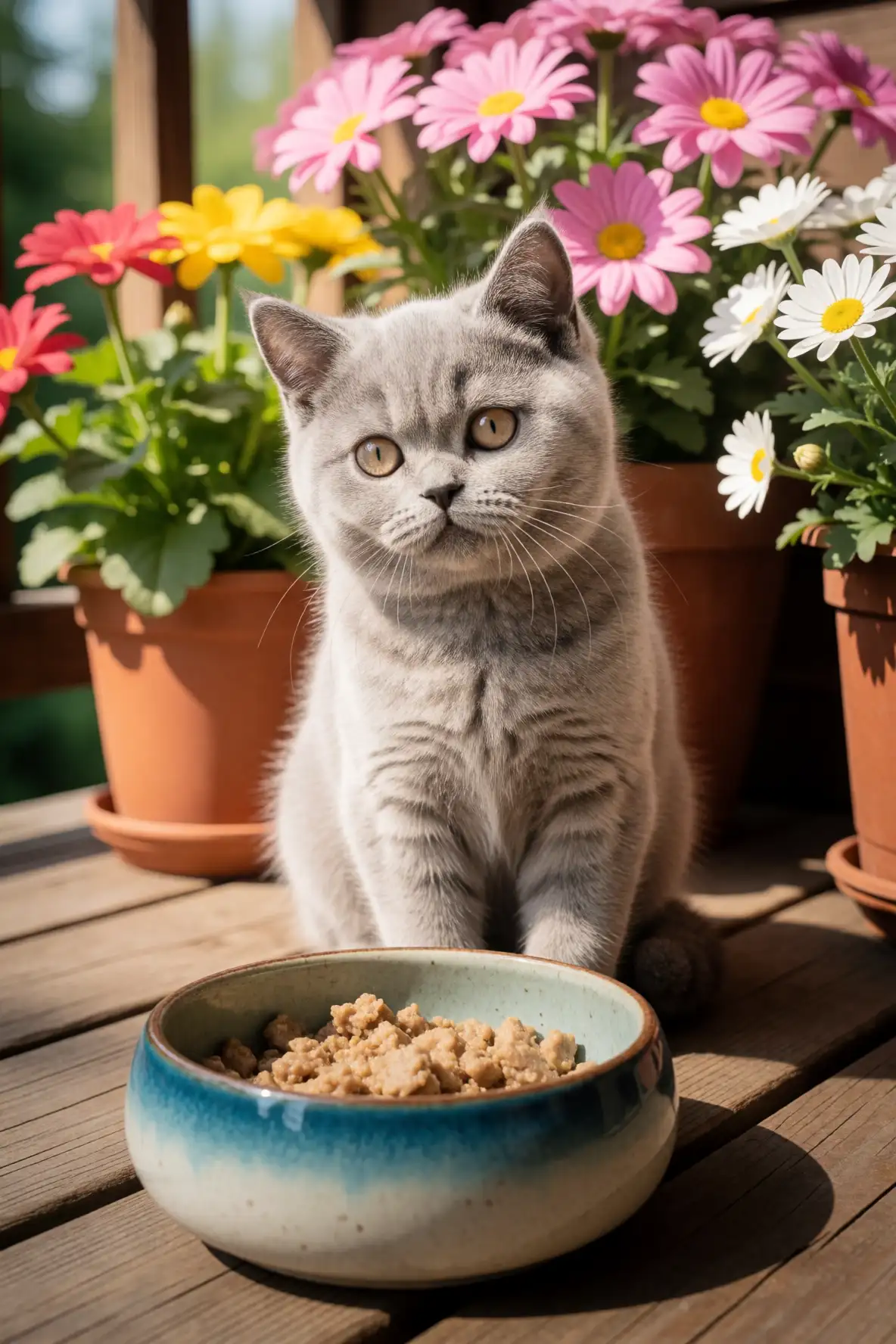
The British Shorthair is a robust and playful breed known for its rounded face and dense, plush coat. These kittens grow rapidly in their first few months, making a proper diet essential for their health and development. As a responsible pet owner, understanding their nutritional needs at each growth stage will help ensure your British Shorthair kitten thrives.
General Nutritional Needs
British Shorthair kittens require a balanced diet rich in protein, fats, vitamins, and minerals. Growth is rapid during the first year, necessitating a diet that supports muscle development and bone strength. Look for high-quality kitten food that specifies it's formulated for kittens, as this will meet their unique dietary needs.
Feeding Chart by Age
Here’s a simple feeding chart to guide you on what and how much to feed your British Shorthair kitten based on their age:
- 0-4 Weeks: At this age, kittens should be nursing from their mother. If the mother is unavailable, a kitten milk replacer can be provided.
- 4-8 Weeks: Start introducing wet kitten food, offering small amounts several times a day. Aim for about 4 meals a day.
- 2-6 Months: Gradually transition to dry food, mixing it with wet food initially. Feed 4-5 small meals daily, ensuring a balanced diet with protein as the main ingredient.
- 6-12 Months: Shift to two to three meals a day as they approach adulthood. Continue providing high-quality kitten food until about one year of age.
Choosing the Right Food
When selecting food for your British Shorthair kitten, opt for brands that use real meat as the primary ingredient. Avoid fillers like corn and soy, which provide little nutritional value. It's also essential to choose food specifically designed for kittens, as adult cat food does not have the necessary nutrients for growth.
Feeding Tips
To encourage healthy eating habits, establish a consistent feeding routine. Kittens thrive on structure, so feeding them at the same times each day can help. Always provide fresh water alongside their meals, and keep the food dish clean to avoid contamination.
Monitoring Weight and Health
Regularly monitor your British Shorthair kitten’s weight to ensure they’re growing at a healthy rate. Consult your veterinarian if you notice any drastic changes in weight or if your kitten appears lethargic. Keeping track of their growth will help you adjust their diet as needed.
Common Dietary Issues
Some British Shorthair kittens may experience digestive issues or food sensitivities. If you notice vomiting, diarrhea, or lethargy after feeding, consult your veterinarian to rule out any potential issues and consider a diet change if necessary.
Supplementing Diet with Treats
While it's fine to give treats, these should make up no more than 10% of your kitten's daily caloric intake. Look for high-protein treats made specifically for kittens. Be aware that over-treating can lead to obesity later in life.
Hydration is Key
Hydration is vital for your kitten’s health, especially if you are feeding dry kibble. Ensure that your British Shorthair always has access to fresh, clean water. Some kittens may prefer running water, so consider a pet water fountain to encourage drinking.
Transitioning Foods Safely
When switching your British Shorthair kitten to a different food, do it gradually over a week. Start by mixing a small amount of the new food with the current food, gradually increasing the new food while decreasing the old. This will help prevent digestive upset.
Consulting Your Veterinarian
Always consult your veterinarian for personalized feeding advice tailored to your British Shorthair kitten’s specific needs. They can recommend the best food options and help you set a feeding schedule that promotes optimal growth and health.
Exploring Breeders and Kittens
If you’re looking for more information or want to find available British Shorthair kittens, explore the listings on CatHatch. It’s a great resource to connect with ethical breeders and find your future furry friend.
Frequently Asked Questions
What should I feed my British Shorthair kitten?
Feed your British Shorthair kitten a high-quality diet that includes both wet and dry kitten food, ensuring it is rich in protein and formulated for growth.
How often should I feed my British Shorthair kitten?
Young British Shorthair kittens should be fed multiple small meals throughout the day, transitioning to 2-3 meals a day as they grow older.
Can I give my British Shorthair kitten treats?
Yes, but treats should not comprise more than 10% of their daily caloric intake. Choose healthy, high-protein treats made for kittens.
What are common dietary issues for British Shorthair kittens?
Some common issues include overeating, obesity, and food sensitivities. Monitor your kitten’s health and consult a veterinarian for any concerns.
When should I transition my British Shorthair kitten to adult food?
Transition your British Shorthair kitten to adult food around one year of age. Consult your veterinarian for specific recommendations.
Explore These Breeds
Ready to Find Your Kitten?
Browse available kittens from verified breeders across the USA.