Common American Ringtail Health Problems Every Owner Should Know
Understanding the American Ringtail
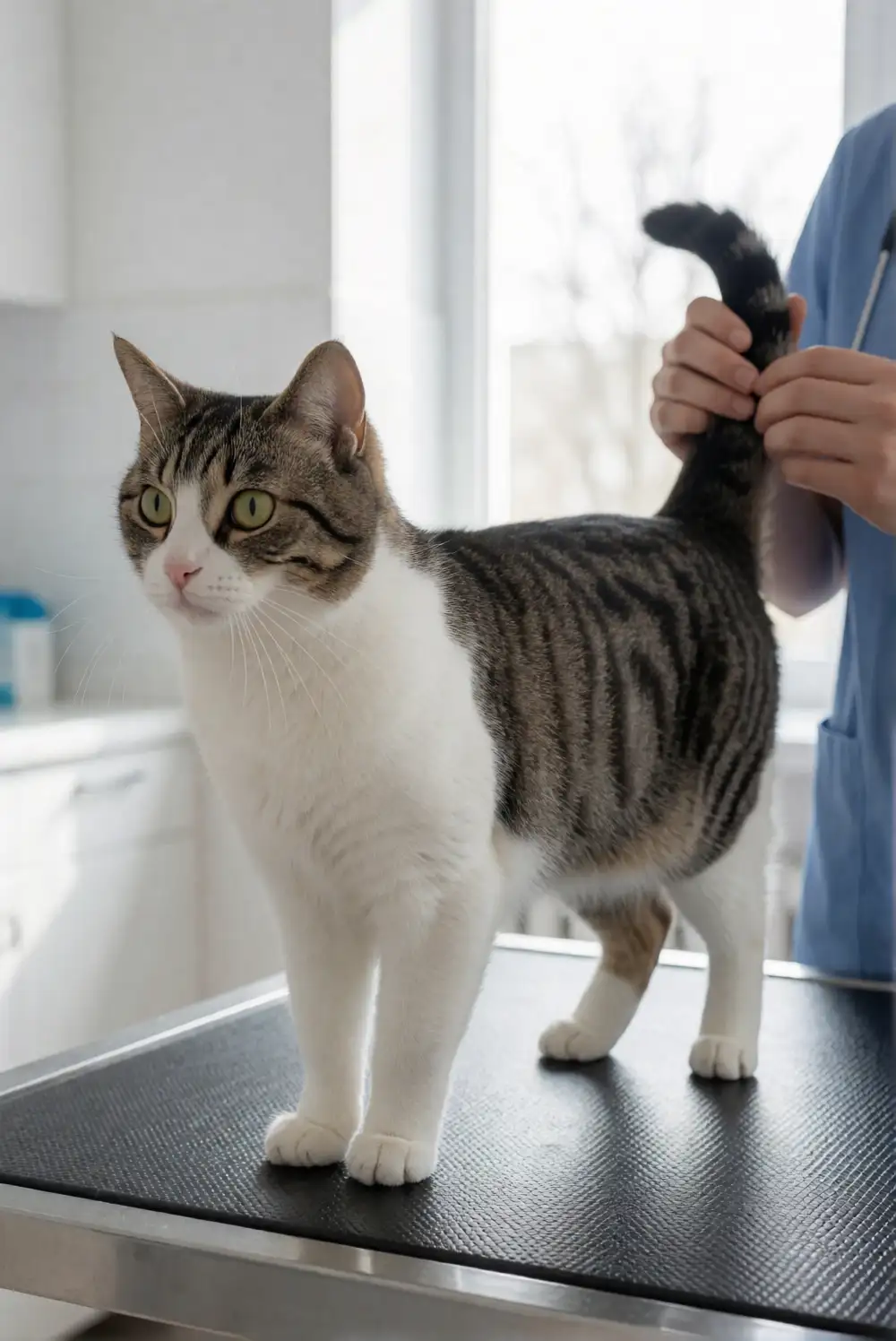
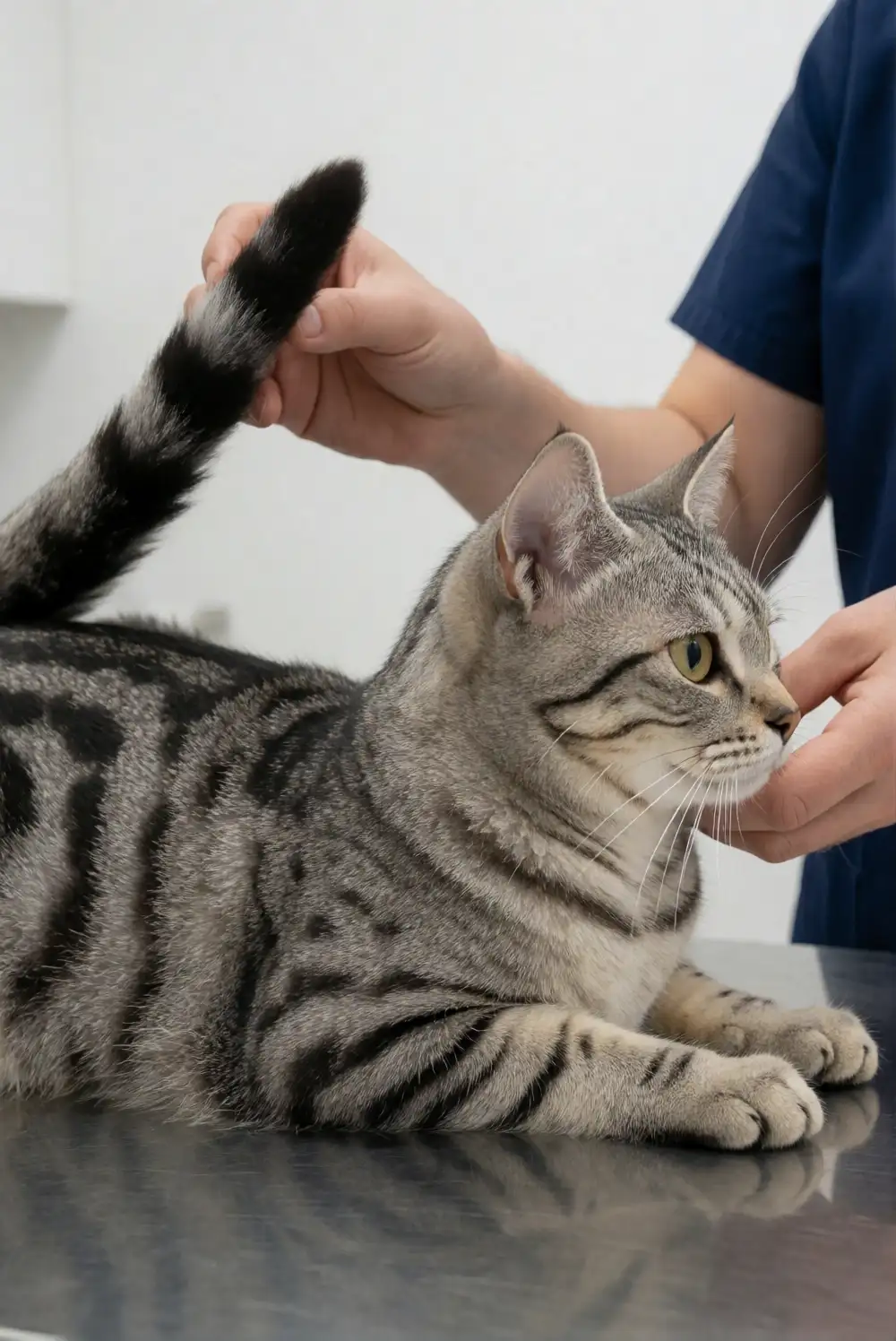
The American Ringtail is a unique and charming breed, known for its distinctive curly tail and playful personality. While they are generally healthy cats, like all breeds, they can be predisposed to certain health issues. Understanding these potential problems can help you provide the best care for your American Ringtail.
1. Hip Dysplasia
Hip dysplasia is a common orthopedic condition found in many cat breeds, including the American Ringtail. This condition occurs when the hip joint doesn't fit into the hip socket properly, leading to arthritis and pain. Regular vet check-ups and maintaining a healthy weight can help manage this condition.
2. Hypertrophic Cardiomyopathy (HCM)
Hypertrophic cardiomyopathy is a hereditary condition where the heart muscle thickens, making it harder for the heart to pump blood. This can lead to heart failure and is seen in various breeds, including the American Ringtail. Early detection through veterinary examinations can improve management options.
3. Obesity
Obesity is a significant health concern for American Ringtails, particularly if they are not provided with adequate exercise and a balanced diet. Excess weight can lead to various health issues, including diabetes, arthritis, and heart disease. Owners should ensure their cats engage in play and receive proper nutrition.
4. Dental Disease
Dental disease is another common issue in American Ringtails. It's essential to maintain their oral hygiene through regular dental check-ups and at-home care. Periodontal disease can lead to pain, tooth loss, and even systemic health issues if bacteria enter the bloodstream.
5. Urinary Tract Issues
American Ringtails can be prone to urinary tract problems, including urinary crystals and blockages. These issues can be painful and potentially life-threatening. Ensuring your cat has access to fresh water and a proper diet can help prevent these conditions.
6. Respiratory Issues
Some American Ringtails may develop respiratory issues due to their unique facial structure. These issues can range from mild congestion to more severe conditions. Keeping their living environment clean and free from allergens can assist in maintaining their respiratory health.
7. Regular Veterinary Care
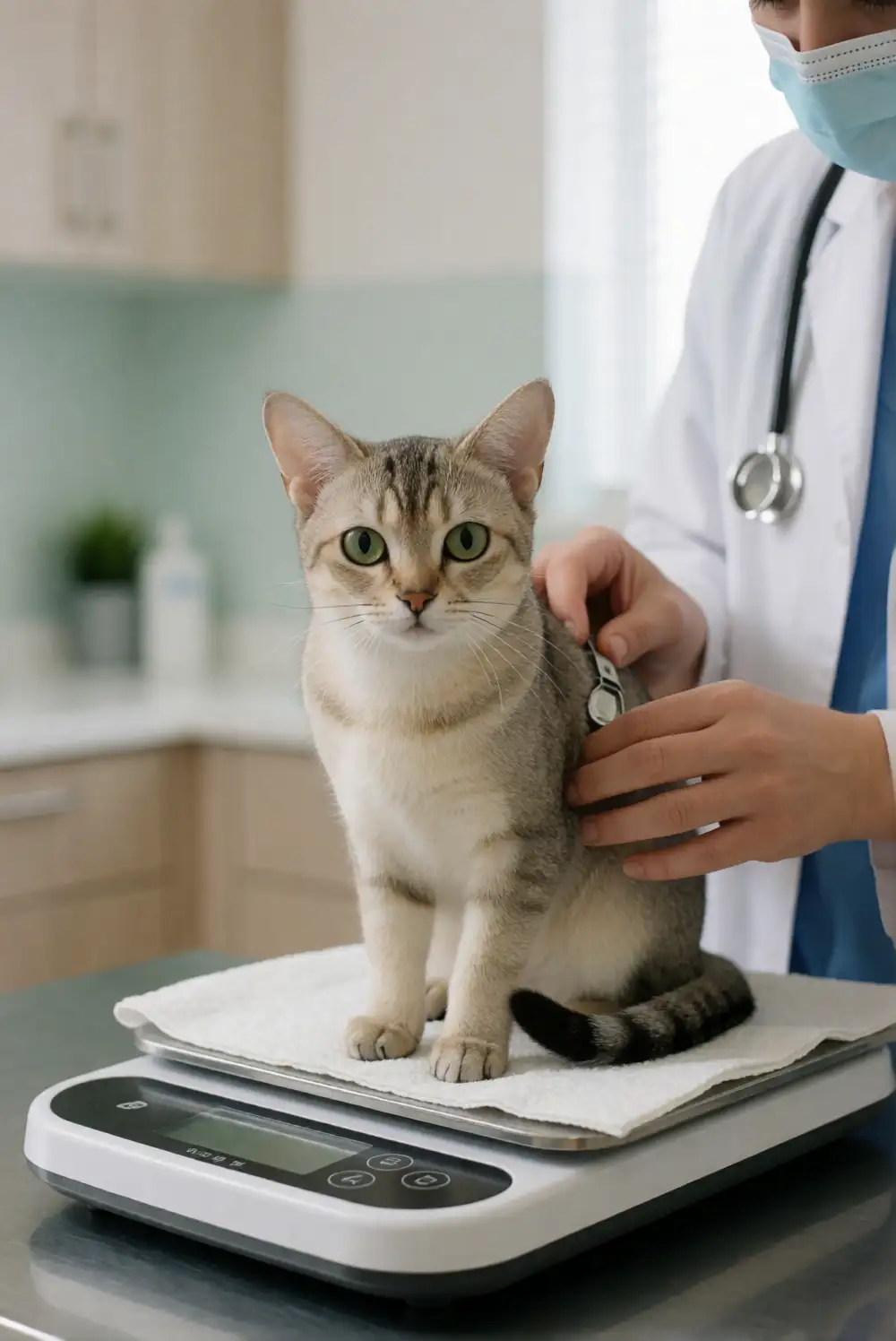
Regular veterinary check-ups are crucial for early detection and prevention of health issues in American Ringtails. Annual health exams, vaccinations, and dental cleanings can help keep your cat healthy and happy. Discuss any concerns with your veterinarian to ensure prompt attention to potential health problems.
8. Nutrition and Diet
A nutritious diet tailored to the American Ringtail's needs is vital for their overall well-being. High-quality cat food that contains the right balance of proteins, fats, and carbohydrates will help maintain their health and prevent obesity. Always consult with your veterinarian to determine the best diet for your specific cat.
9. Exercise and Enrichment
American Ringtails are active and playful cats, requiring regular exercise and mental stimulation. Providing toys, climbing structures, and interactive playtime can help keep them fit and prevent obesity-related health issues. Engage with your cat daily to promote a healthy lifestyle.
10. Spaying and Neutering
Spaying or neutering your American Ringtail is essential not only for population control but also for preventing certain health issues. These procedures can help reduce the risk of certain cancers and behavioral problems. Consult with your veterinarian about the best timing for these surgeries.
11. Grooming and Skin Care
American Ringtails may require regular grooming to keep their coat healthy and free from mats. Skin issues can arise if their coat is not maintained properly. Regular brushing and monitoring for any signs of skin irritations or infections can help keep their skin healthy.
12. Monitoring Behavior Changes
Any sudden changes in behavior can indicate underlying health problems in your American Ringtail. Changes in appetite, litter box habits, or activity levels should be addressed with a veterinarian. Prompt attention can lead to better outcomes and a happier, healthier cat.
Frequently Asked Questions
What are common health problems in American Ringtails?
Common health issues in American Ringtails include hip dysplasia, hypertrophic cardiomyopathy, obesity, dental disease, urinary tract issues, and respiratory problems. Regular vet visits can help in early detection.
How can I keep my American Ringtail healthy?
To keep your American Ringtail healthy, provide a balanced diet, regular exercise, and routine veterinary care. Monitor their weight and dental health closely.
Is obesity a concern for American Ringtails?
Yes, obesity is a significant concern as it can lead to various health issues, including diabetes and heart disease. Ensuring they have proper exercise and a controlled diet is essential.
What diet is best for my American Ringtail?
A high-quality, balanced diet rich in proteins and fats is ideal for American Ringtails. Always consult with a veterinarian to tailor the diet to your cat's specific needs.
How often should I take my American Ringtail to the vet?
Annual veterinary check-ups are recommended for healthy adult American Ringtails. Kittens and senior cats may require more frequent visits to monitor their health.
What should I do if my American Ringtail has dental issues?
If you suspect dental issues, consult your veterinarian for a check-up. Regular dental cleanings and at-home care can prevent severe dental diseases.
Ready to Find Your Kitten?
Browse available kittens from verified breeders across the USA.