Bengal Personality & Temperament: What Owners Should Know
Introduction to Bengal Cats
Bengal cats are renowned for their striking appearance and energetic personalities. Originally bred from the Asian leopard cat, their wild ancestry gives them a unique character that blends the exotic with the domestic. Understanding the personality and temperament of Bengal cats is crucial for any potential owner.
Energetic and Playful Nature
Bengals are one of the most active cat breeds, known for their playful demeanor. They thrive on interaction and require plenty of stimulation to keep them happy. Engaging them with toys, climbing structures, and interactive playtime can help channel their energy positively.
Intelligence and Curiosity
This breed is highly intelligent, often showing a keen interest in their surroundings. Bengals love to explore, and they can even learn tricks and commands with the right training. Their curiosity means they are always on the lookout for new experiences, making them entertaining companions.
Affectionate Companions
Bengal cats form strong bonds with their owners and are known for being affectionate. They often seek out attention and can be very social, enjoying the company of their humans. However, they can also be independent at times, balancing their love for companionship with their need for personal space.
Vocal and Expressive
Bengals are quite vocal, using a range of sounds to communicate with their owners. This expressiveness can include chirps, trills, and meows, each indicating different needs or emotions. Their vocal nature makes them more engaging and can also be a way to seek attention when they desire it.
Compatibility with Other Pets
Bengal cats can coexist peacefully with other pets, but their energetic and playful nature may overwhelm more timid animals. Early socialization is key; introducing them to other pets at a young age can help foster a harmonious household. Bengals typically enjoy the company of fellow felines and can even engage in playful competition.
Training and Socialization
Given their high intelligence, Bengals respond well to training, especially when positive reinforcement is used. Teaching basic commands and tricks can be a fun way to bond with your Bengal while stimulating their minds. Socialization with people and other animals from an early age can help them develop a well-rounded temperament.
Health Considerations
Bengals are generally healthy, but they can be prone to specific health issues such as hip dysplasia and certain heart conditions. Regular veterinary check-ups and a balanced diet are essential for maintaining their health. Keeping an eye on any behavioral changes can also help in early detection of potential health problems.
Grooming Needs
The short coat of a Bengal is relatively low maintenance. Regular brushing will help reduce shedding and keep their coat shiny. Their grooming needs may also include regular nail trimming and dental care, which are important for their overall health.
Creating a Stimulating Environment
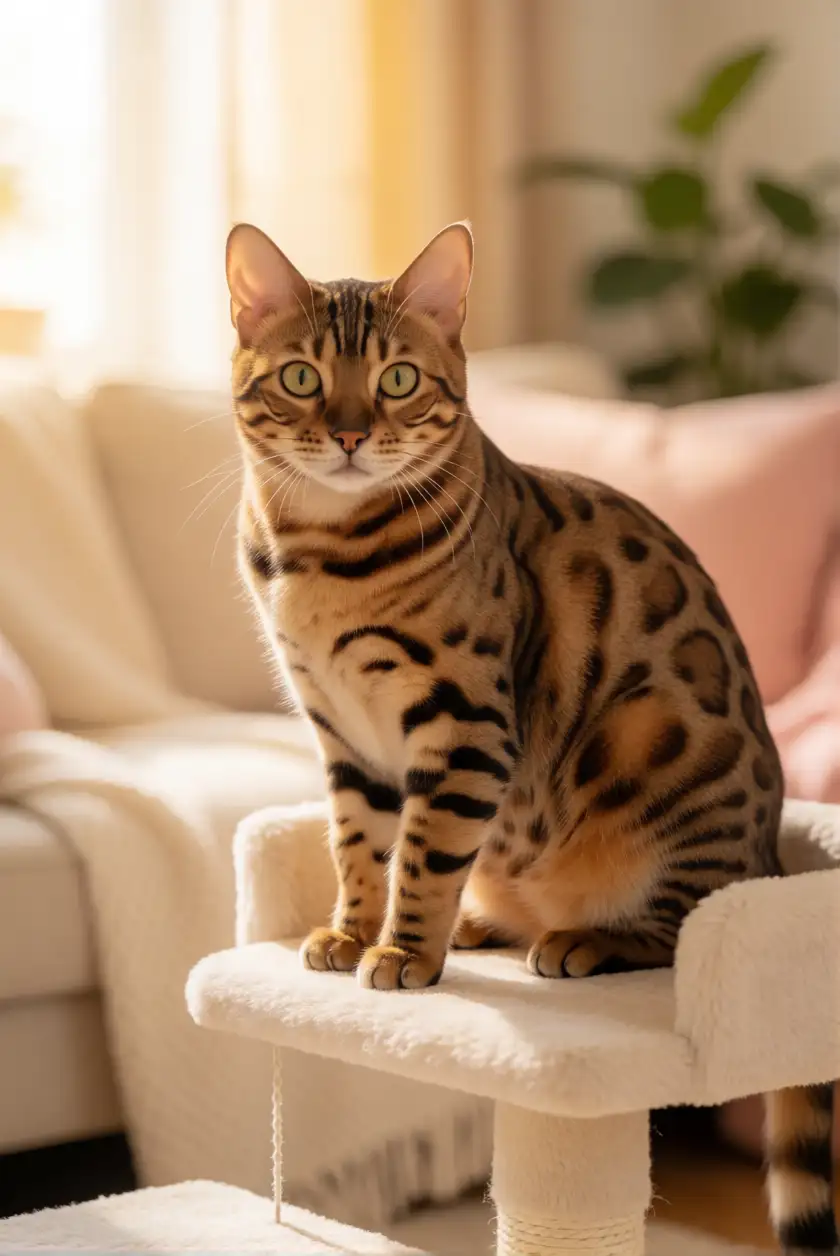
To keep your Bengal happy, provide an environment that caters to their energetic nature. Cat trees, scratching posts, and interactive toys will help satisfy their need for exercise and play. Ensuring they have plenty of vertical space to climb can mimic their natural instincts and keep them engaged.
Understanding Bengal Behavior
Being aware of your Bengal's behavior can significantly enhance your relationship. They may exhibit playful antics that include jumping, climbing, and even fetching. Observing these behaviors can help you understand their needs and ensure they are fulfilled.
Choosing the Right Kitten
If you're considering adding a Bengal to your family, take the time to find a reputable breeder. Look for one that prioritizes health and personality in their breeding practices. You can browse available kittens or breeders on CatHatch to find the perfect Bengal for your home.
Conclusion
Understanding the personality and temperament of Bengal cats can prepare you for a rewarding relationship. With their playful energy, intelligence, and affectionate nature, Bengals can bring joy to any home. Embrace their unique traits, and you’ll find a loyal and loving companion.
Frequently Asked Questions
Are Bengal cats good pets?
Bengal cats can make excellent pets for active households. They require plenty of interaction and stimulation but reward their owners with their affectionate and playful nature.
How much exercise do Bengal cats need?
Bengals are very active and need plenty of exercise. Daily play sessions and access to climbing structures are essential to keep them physically and mentally stimulated.
Do Bengals get along with dogs?
Many Bengals can cohabitate with dogs, especially if introduced at a young age. Their playful and curious nature often leads to positive interactions with well-matched canine companions.
What is the average price of a Bengal kitten?
Depending on various factors, including lineage and breeder reputation, Bengal kittens typically range from $1,000 to $3,000. It's crucial to choose ethical breeders to ensure the health and temperament of the kitten.
Explore These Breeds
Ready to Find Your Kitten?
Browse available kittens from verified breeders across the USA.