Are Munchkin Cats Affectionate? Their Temperament Explained
Understanding Munchkin Cats
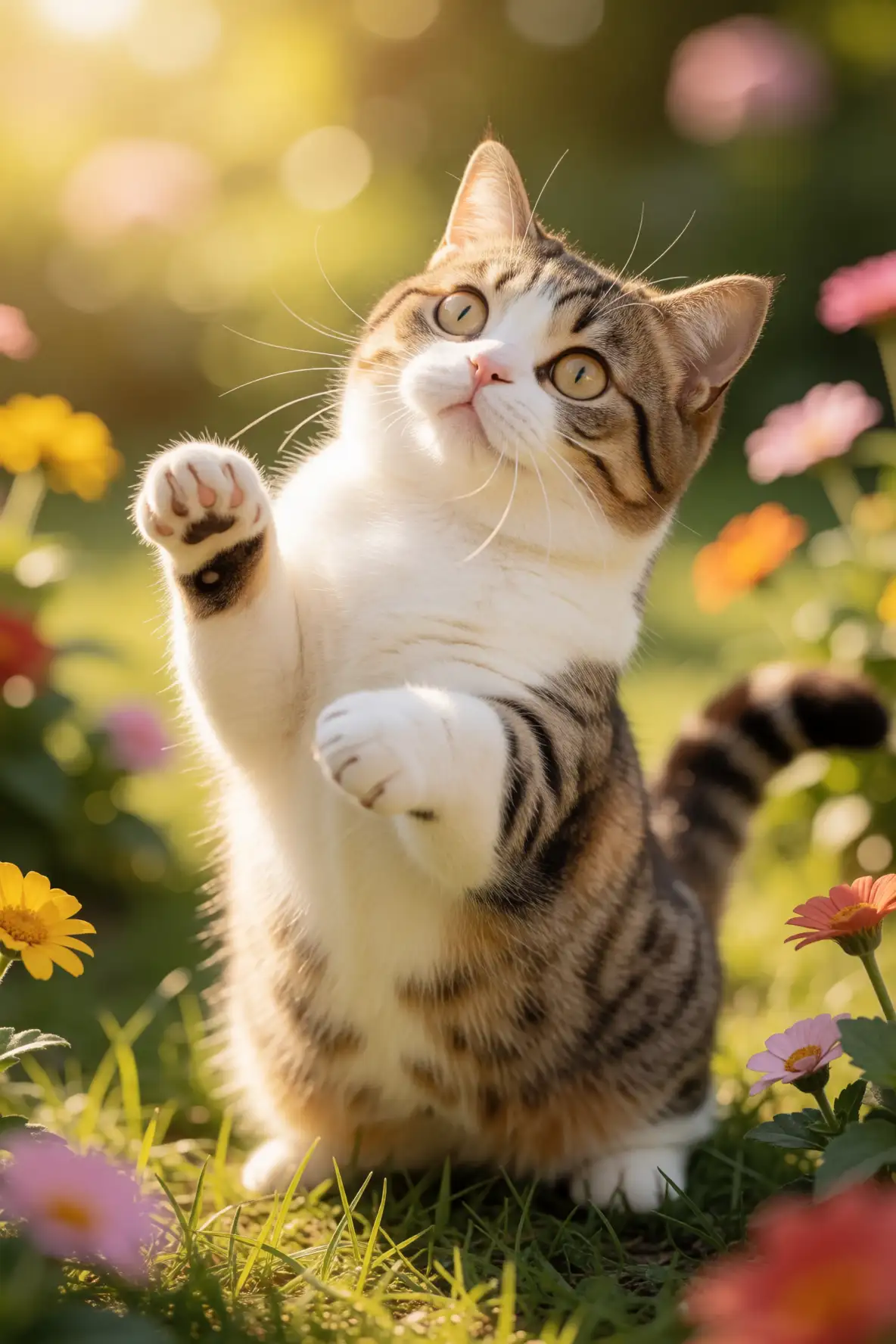
Munchkin cats are easily recognizable due to their short legs and playful demeanor. This unique breed originated in the 1980s and has grown in popularity for their distinct appearance and loving nature. With their compact stature and lively personality, they often charm everyone around them.
Despite their small size, Munchkin cats are known for their big hearts. They are typically friendly and enjoy being around both humans and other pets. Their affectionate nature makes them wonderful companions for families and single owners alike.
Typical Temperament of Munchkin Cats
Munchkin cats are known for their playful and social temperament. They are curious and intelligent, often finding ways to entertain themselves and their owners. This breed is active and requires playtime to stay happy and healthy.
Affectionate by nature, Munchkin cats thrive on human interaction. They love to be petted and cuddled, often following their owners around the house seeking companionship. Their playful antics and loving personality make them a joy to have as a pet.
Are Munchkin Cats Cuddly?
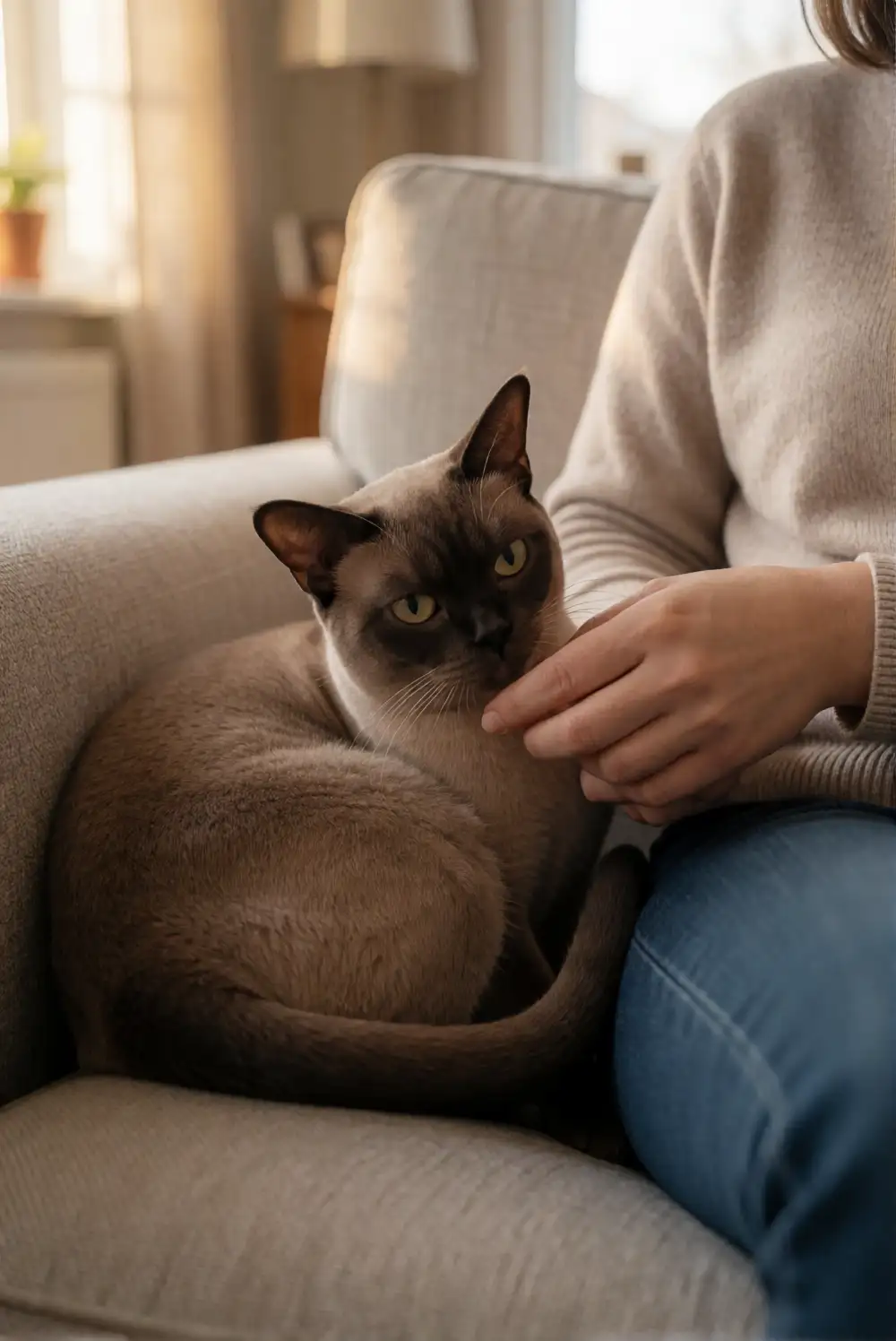
Yes, Munchkin cats are generally very cuddly! They enjoy snuggling up to their owners and often seek out warmth and affection. Many owners will find their Munchkin curling up in their lap or nuzzling against them while they relax.
This breed often forms strong bonds with their human companions. As they grow comfortable in their environment, they may become more affectionate, displaying their love through purring, kneading, and head-butting.
The Playful Side of Munchkin Cats
Playtime is essential for Munchkin cats. Their playful nature means they thrive on interactive play sessions. Toys that encourage jumping, chasing, and even climbing are ideal, although their short legs might limit some activities.
Owners can enhance their Munchkin’s playful experience by providing various toys and engaging in playtime regularly. This not only helps keep them entertained but also strengthens the bond between the cat and their owner.
How Does Socialization Affect Their Affection?
Socialization is crucial in determining how affectionate a Munchkin cat can be. Early exposure to different environments, people, and even other animals can help shape their temperament. Munchkin kittens that are well-socialized are more likely to grow into affectionate adult cats.
When adopting a Munchkin, consider their early experiences. A cat that has not been adequately socialized may require more time and patience to develop affectionate behaviors. However, with love and attention, even shy Munchkins can become loving companions.
Understanding Their Communication
Munchkin cats communicate their affection in various ways. Purring, soft meows, and body language are all signs that your Munchkin is happy and comfortable. Observing these signals can help owners understand their cat’s needs and feelings.
Additionally, a Munchkin’s playful nature means they often express affection through playful behavior. Engaging in games or activities can be a way for them to show their fondness for you.
Do Munchkin Cats Get Along with Children and Other Pets?
Munchkin cats generally do well with children and other pets. Their playful and affectionate temperament makes them a great addition to families. They often enjoy playing alongside children and can be quite tolerant of their energy.
When introducing a Munchkin to other pets, it's important to ensure a gradual introduction to foster positive relationships. With the right approach, Munchkin cats can become loving friends with other animals.
Potential Behavioral Challenges
Like any breed, Munchkin cats can exhibit certain behavioral challenges. They may become overly dependent on their owners, leading to separation anxiety. This can manifest in excessive vocalization or destructive behavior if they feel neglected.
Training and ensuring they have engaging activities can help curb these behaviors. Providing puzzle toys or interactive play can keep their minds stimulated and reduce anxiety-related issues.
The Lifespan and Health Considerations
Munchkin cats typically have a lifespan of 12 to 15 years, but their affectionate nature makes them seem even more timeless. While generally healthy, they can be prone to certain health issues such as spinal problems due to their short legs.
Regular veterinary checkups and a balanced diet can help maintain their health. Ensuring a healthy lifestyle contributes to their affectionate nature, allowing them to thrive as loving companions.
Conclusion
Munchkin cats are undoubtedly affectionate companions, bringing joy and love to their owners. Their playful and loving temperament makes them a great choice for families and individuals alike. If you’re considering adding a Munchkin to your life, browse available kittens or breeders on CatHatch to find the perfect furry friend.
Frequently Asked Questions
Are Munchkin cats good lap cats?
Yes, Munchkin cats are generally excellent lap cats. They enjoy cuddling and often seek out warmth from their owners, making them perfect companions for snuggles.
Do Munchkin cats require a lot of exercise?
While Munchkin cats are playful and active, they don't require excessive exercise. Regular playtime and mental stimulation are sufficient to keep them happy and healthy.
Can Munchkin cats be left alone?
Munchkin cats can tolerate being left alone for short periods, but they thrive on human interaction. Long durations of solitude may lead to feelings of loneliness.
How do Munchkin cats get along with other pets?
Munchkin cats usually have a friendly disposition and can get along well with other pets, especially if they are introduced gradually and positively.
Are Munchkin cats prone to health issues?
While generally healthy, Munchkin cats can be prone to certain health issues related to their unique body structure. Regular vet checkups are important to ensure their well-being.
Ready to Find Your Kitten?
Browse available kittens from verified breeders across the USA.